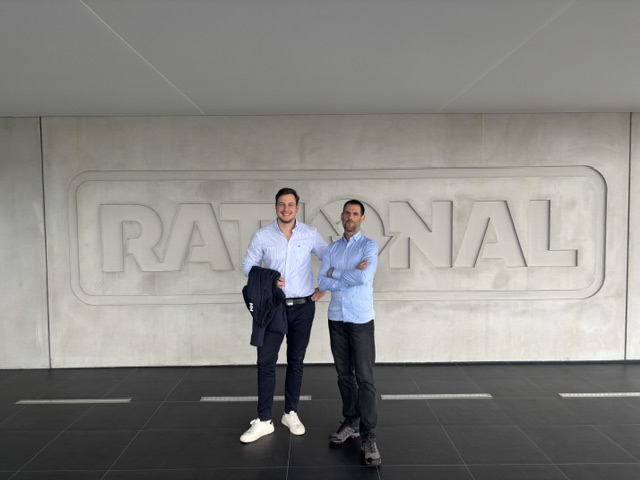
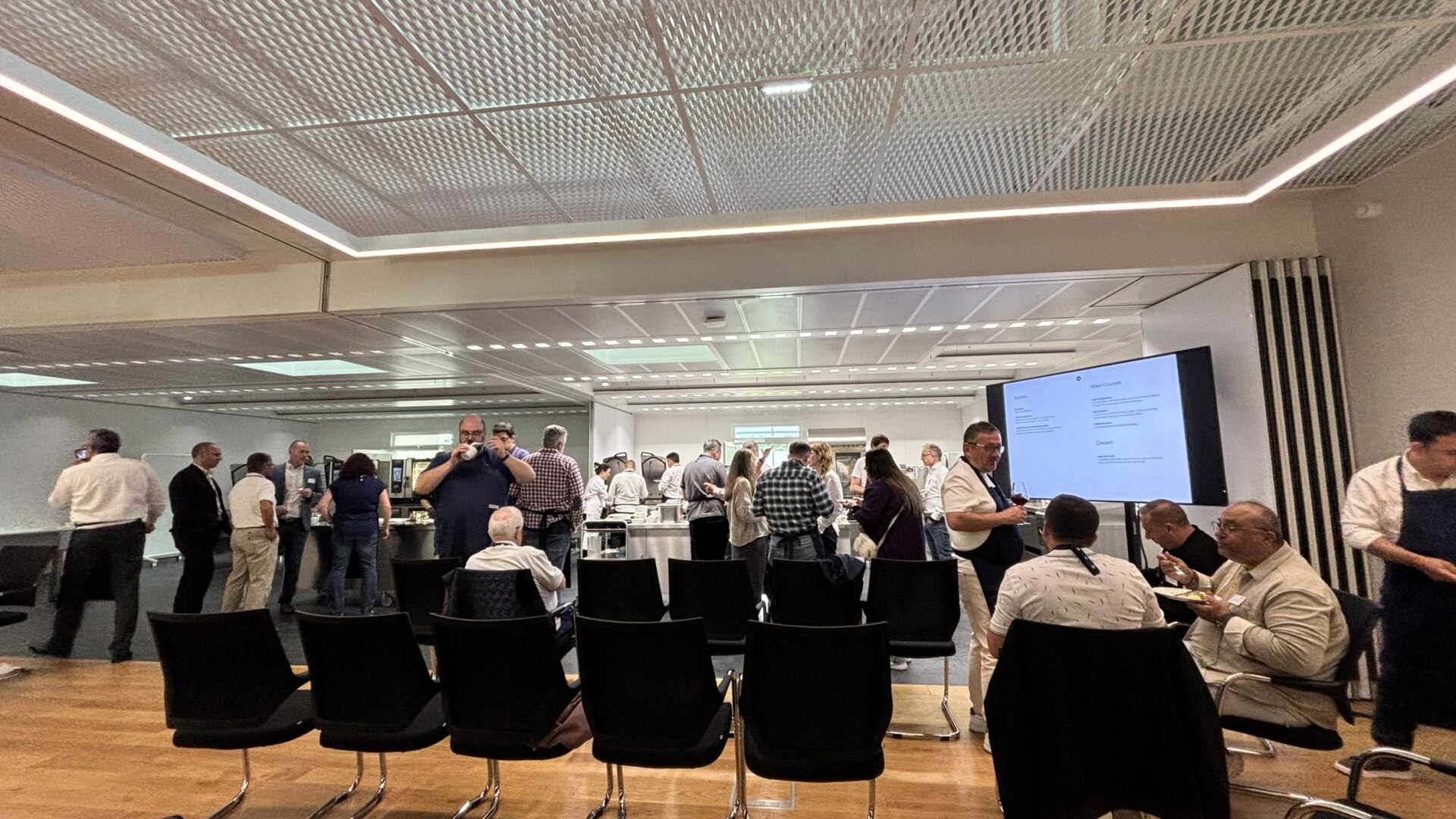
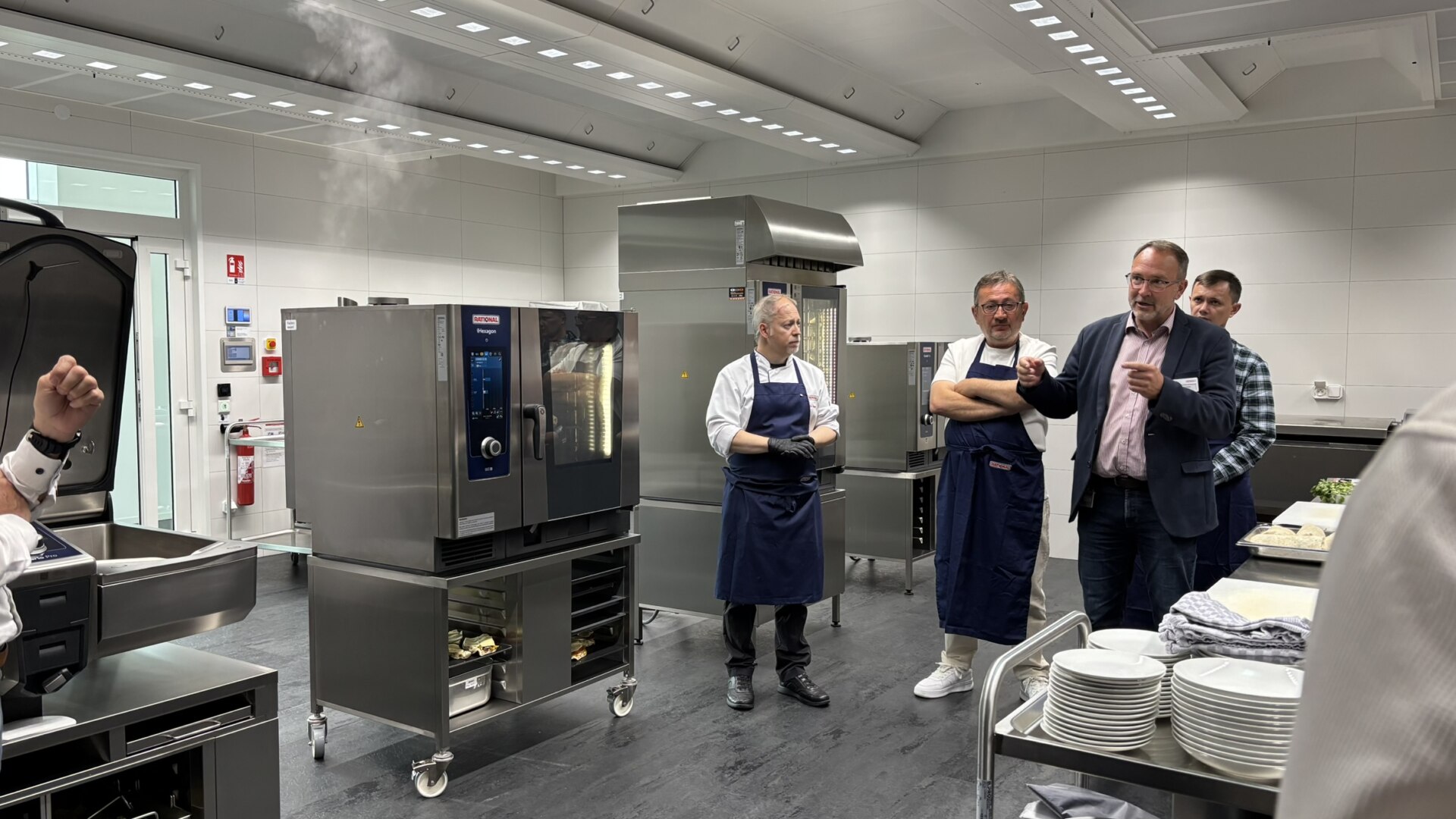
What does the factory look like from the inside—the one whose machines power the world’s leading kitchens? In June, Ákos Rácz, lead designer and sales representative, and Gergő Gauland, sales representative, had the opportunity to see it for themselves: Rational’s Wittenheim plant and the two-day professional program of the Planner Meeting Cluster Eastern Europe. Two days packed with content, in-depth kitchen design sessions, a factory tour, and an evening sightseeing tour of Colmar—because Rational knows how to host guests.
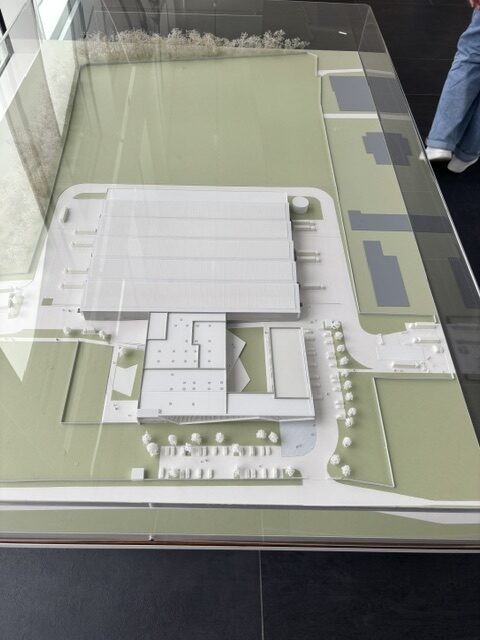
Wittenheim: Where the iVario is born
It is no coincidence that Rational’s Wittenheim plant was chosen as the venue for the event. The plant was originally the manufacturing base for the iVario machine family, which was marketed under the Frima brand name; however, in response to the product’s international success, capacity has since been significantly expanded. Research and development, as well as small-scale series production, continue in the old facility, while the new hall is dedicated exclusively to the complete assembly, packaging, and random testing of the machines prior to shipment.
Production of the four models—the XS (2×18 liters), the S (2×25 liters), the L (100 liters), and the XL (150 liters)—runs on separate lines, and a single dedicated worker is responsible for assembling each unit.
“The organization of production is astonishing. It’s clear that every worker’s every move has been carefully thought out,” said Ákos.
Design tools, capacity planning, and real-world case studies
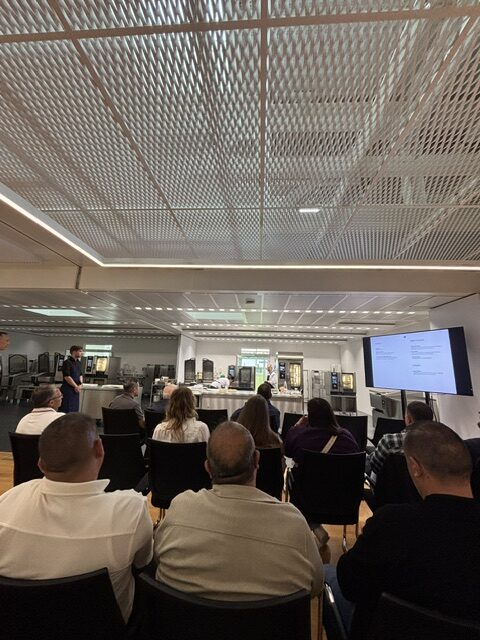
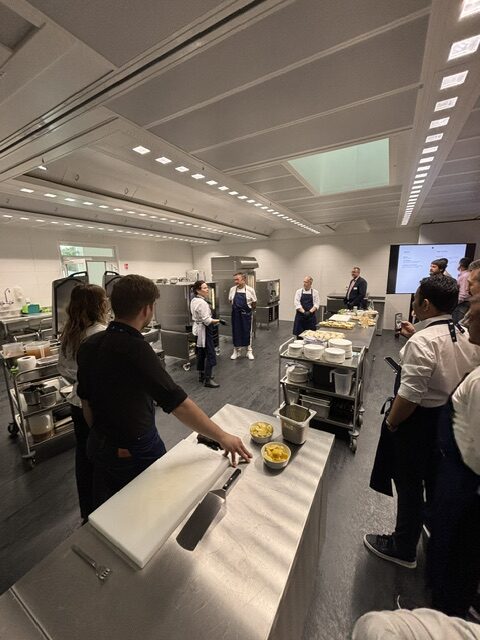
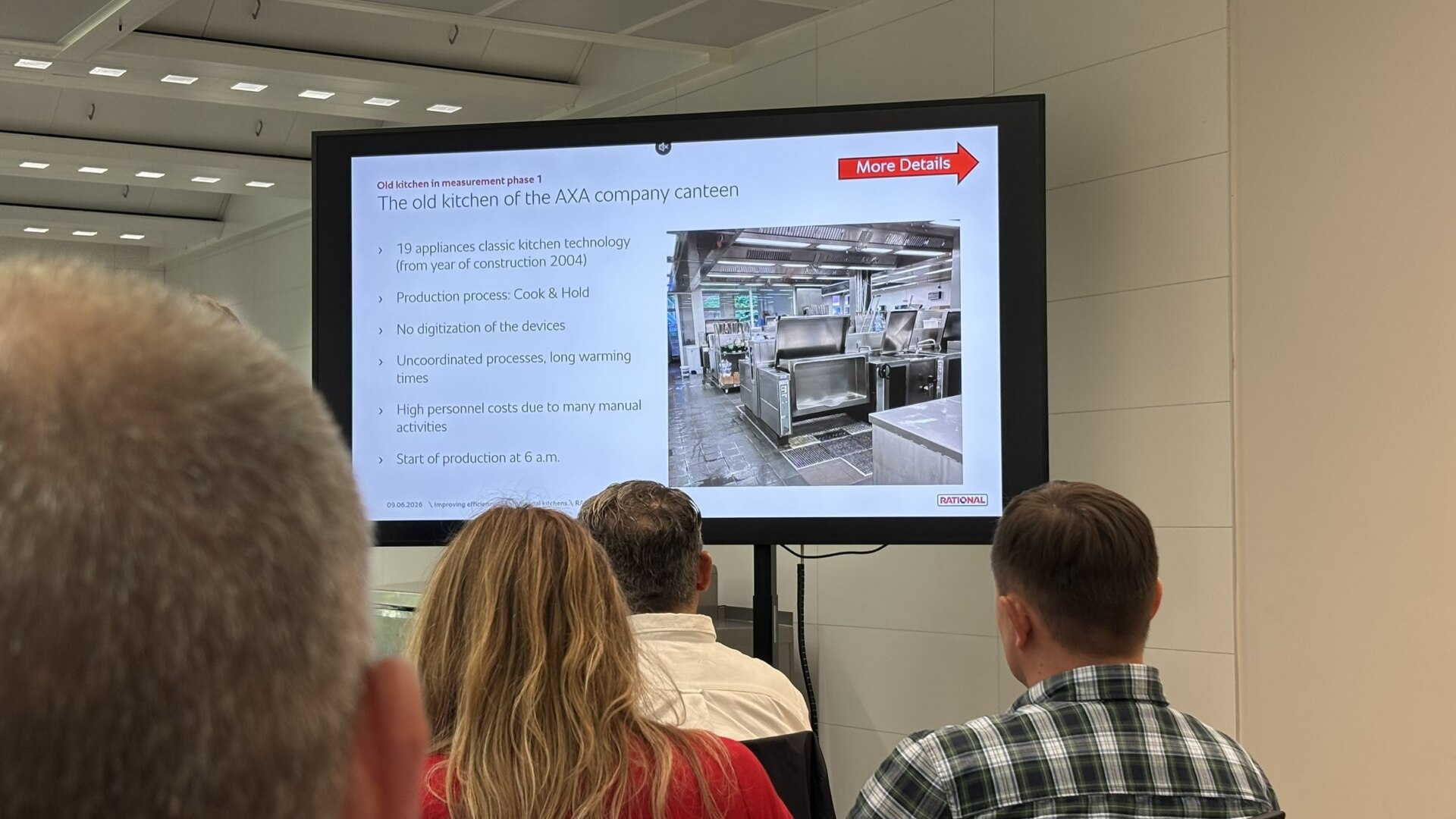
The day scheduled for Tuesday offered more in-depth technical content than usual. The presentations focused on the kitchen design toolkit: CAD- and BIM-based design solutions, request-for-proposal documents, the 2026 edition of the Designers Manual, and the Kitchen Capacity Planning Tool, which helps accurately determine and size cooking capacities. The AXA case study presented a real-world project demonstrating how a large institutional kitchen is built around Rational systems.
Ákos was particularly intrigued by the design software, one of whose most impressive features is the virtual, three-dimensional tour of the future kitchen. This type of visualization can be a powerful tool in both design work and client consultations, as clients don’t see a technical drawing but rather the space in which they will eventually work.
To wrap up the day in Wittenheim, participants traveled to Colmar, where the day concluded with a group dinner at the Brasserie Maison des Têtes. The professional and social experiences thus went hand in hand.
What’s in store for 2027: a new generation of combi steamers
The Wittenheim meeting also touched on what is still on the horizon: Rational is poised to launch a completely new generation of combi steamers. In Hungary, this product is expected to hit the market in early 2027. We cannot disclose any details at this time, but the direction of development clearly points toward energy efficiency, reduced operating costs, and the optimization of kitchen workflows.
Ákos summed up his overall impression of the trip as follows:
“Their team is very professional. You can really feel their strong emphasis on partner management. They welcomed us with carefully planned presentations and joint activities—skillfully blending team-building and training.”
This is the approach we embrace at Coninvest as well: professional expertise isn’t just found in a catalog, but in face-to-face meetings, custom design, and long-term collaboration.
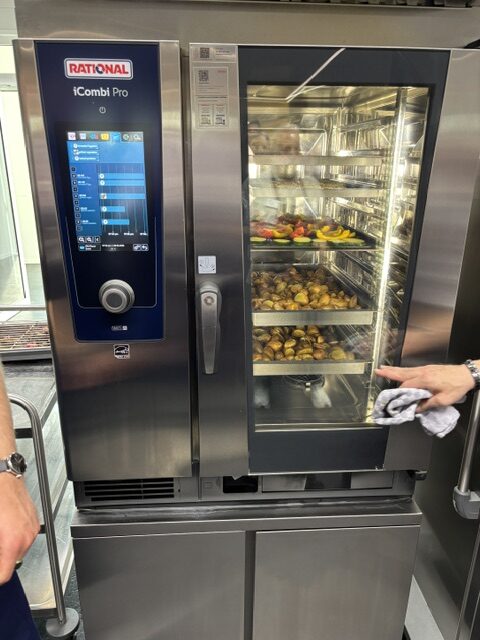
If you’re interested in learning how to integrate the Rational product line into an efficient, well-designed kitchen, visit our showroom in Sóskút, where our team will personally demonstrate the possibilities.