The first Coninvest Culinary Festival
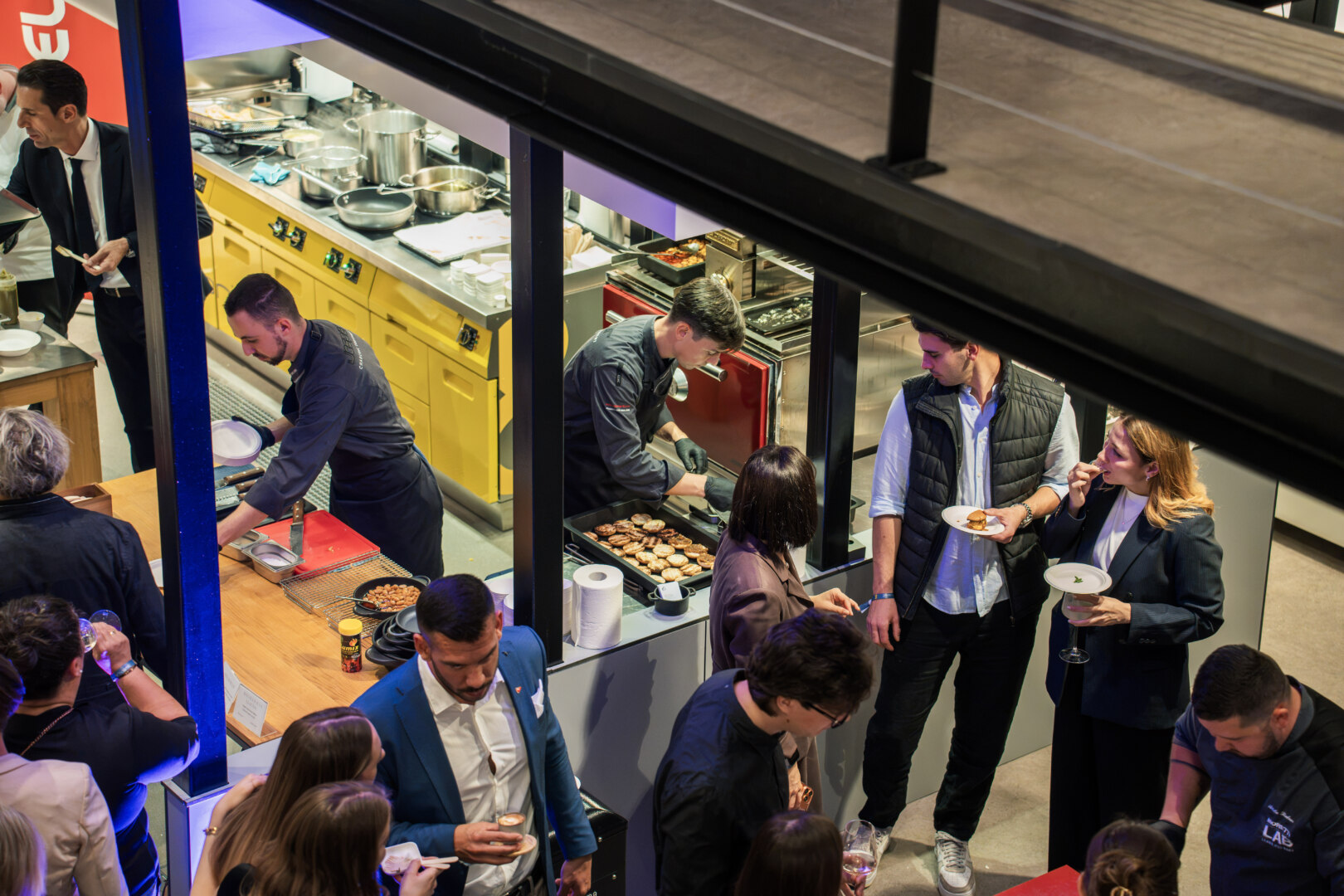
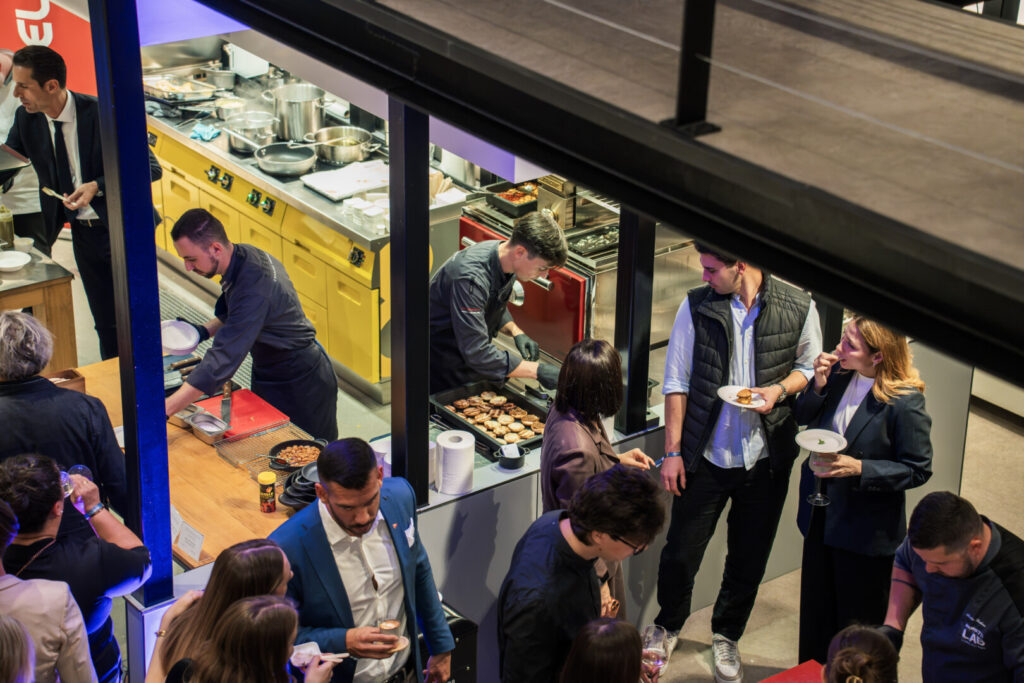
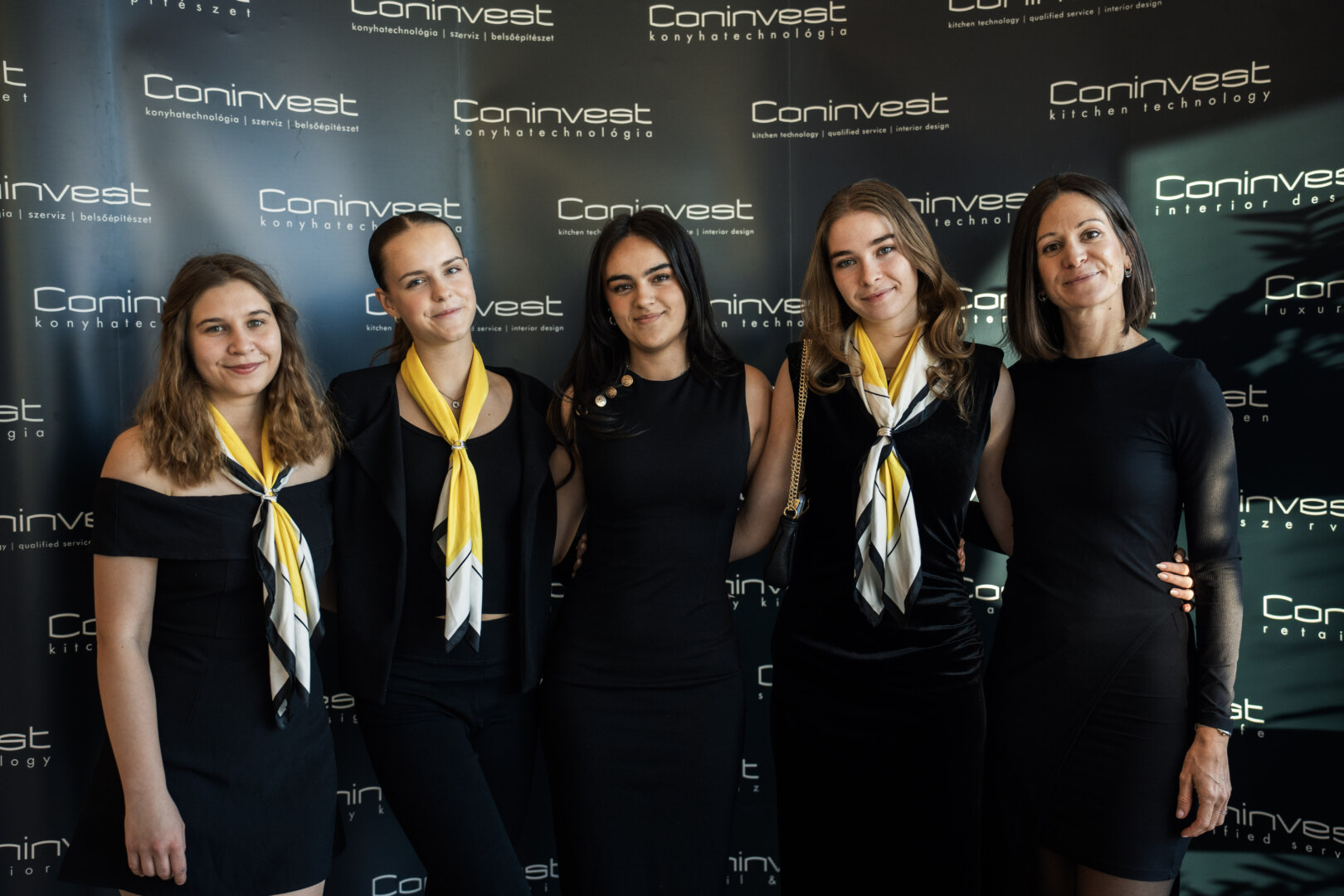
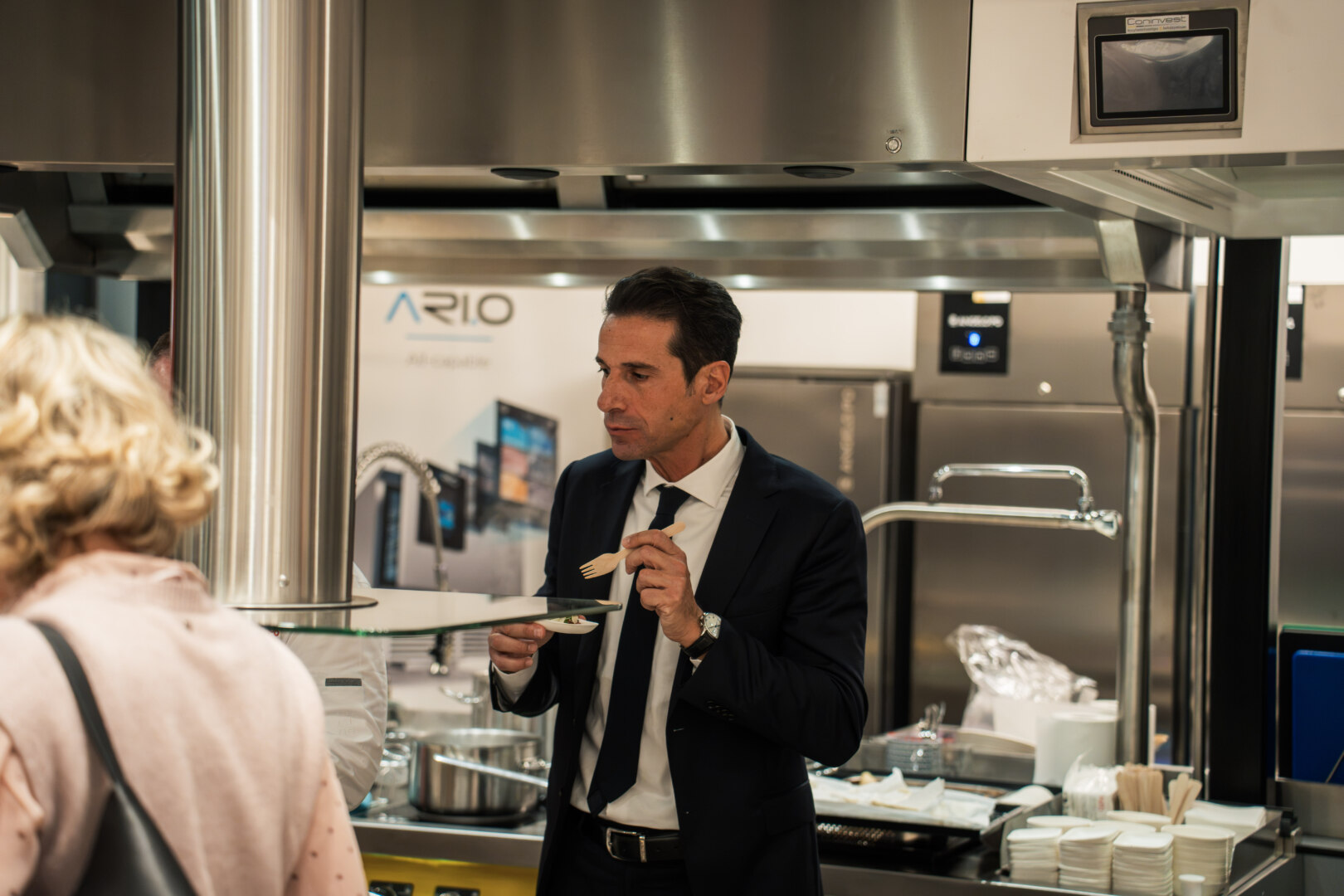
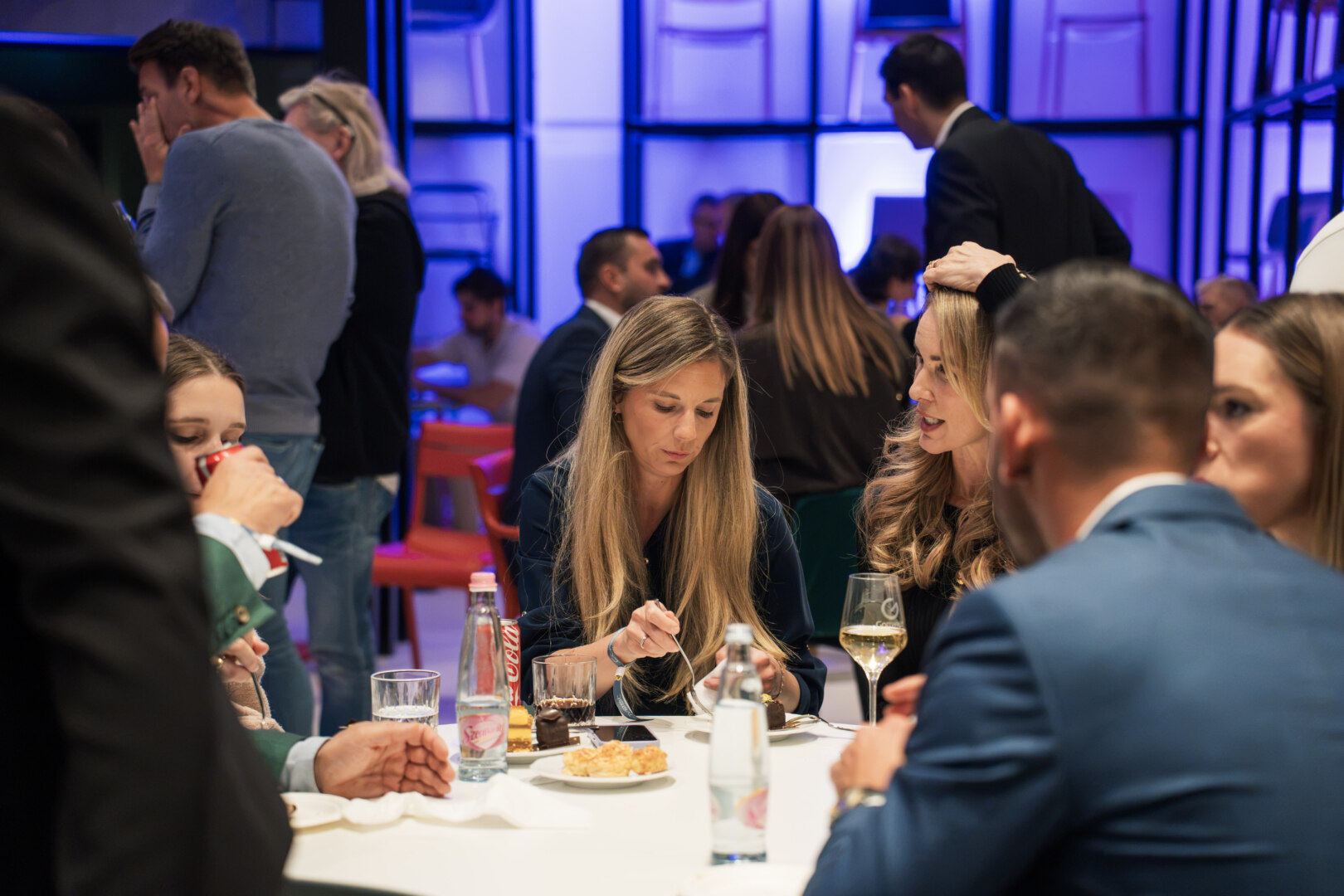
On 16 October, gastronomy took centre stage at Coninvest’s showroom in Sóskút. At the first Coninvest Culinary Festival, nearly a hundred guests, three round-table panellists, five international technology manufacturers and numerous gastronomic experts came together to reflect on the present and future of the hospitality industry, discover new flavours and engage in inspiring professional discussions. The evening centred on knowledge-sharing, technology and the culinary experiences that ultimately give meaning to the operation of any hospitality venue.

When technology becomes an experience
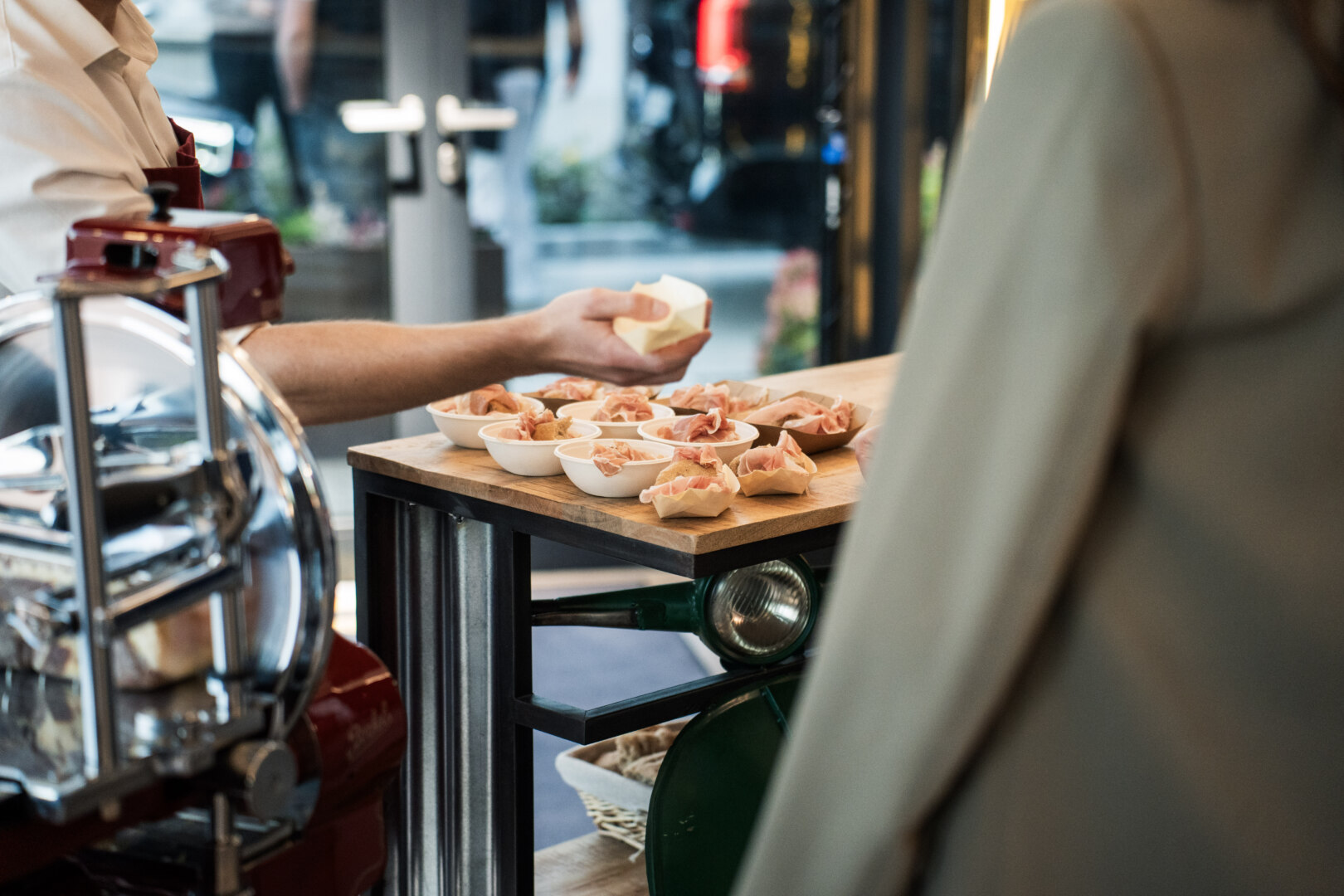
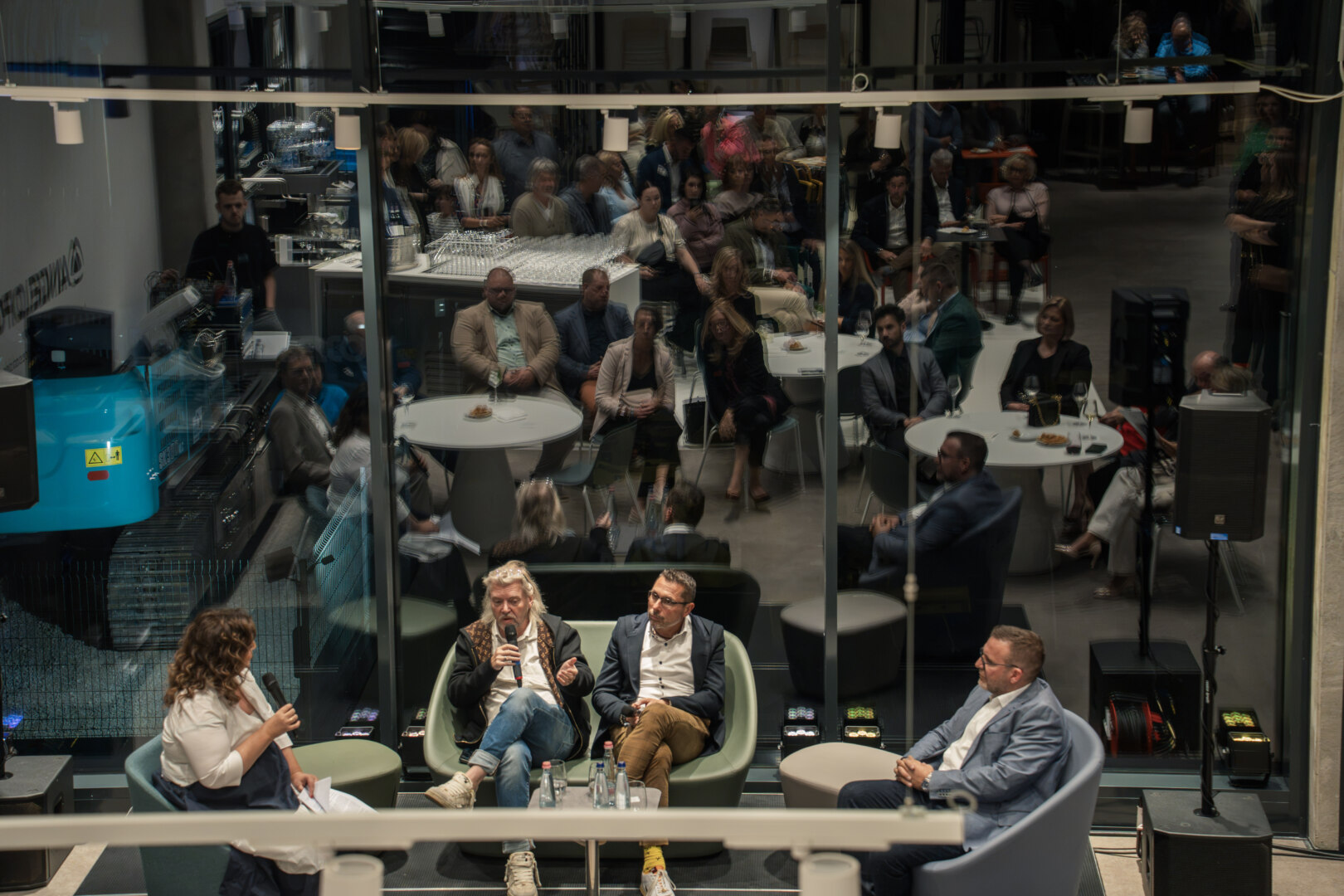
The nearly 400-square-metre showroom in Sóskút was transformed into a veritable gastronomic space during the evening, where professional kitchen technology and creativity came together. The programme began with a round-table discussion, followed by the opportunity to sample dishes prepared by Coninvest’s manufacturing partners and continue professional discussions over drinks they had prepared. The technology and expertise of five international partners – Angelo Po, Josper, Moretti Forni, MEIKO and Hoshizaki – brought the event to life, whilst talented chefs and their teams brought the equipment to life, transforming the professional appliances into genuine dining experiences.
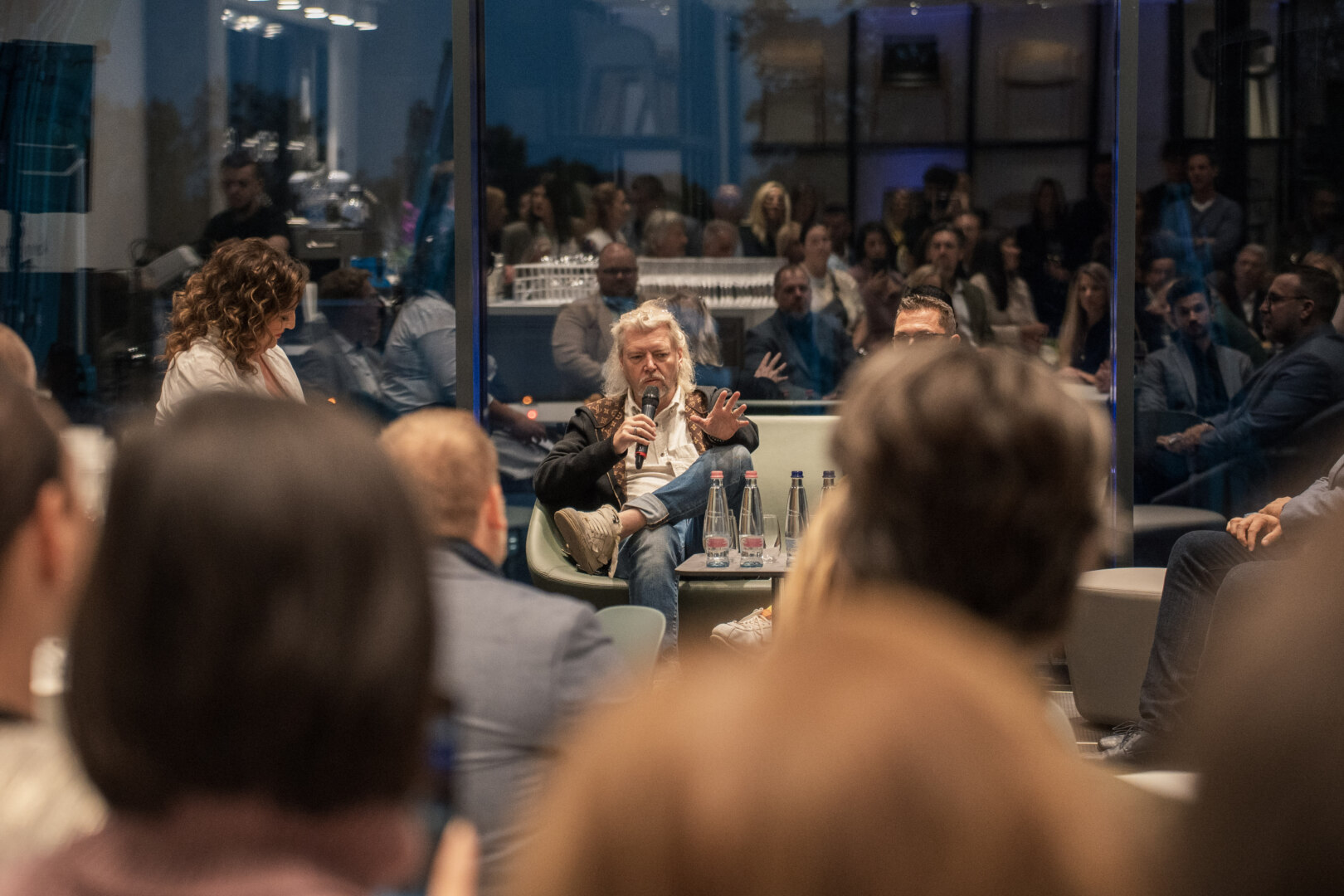
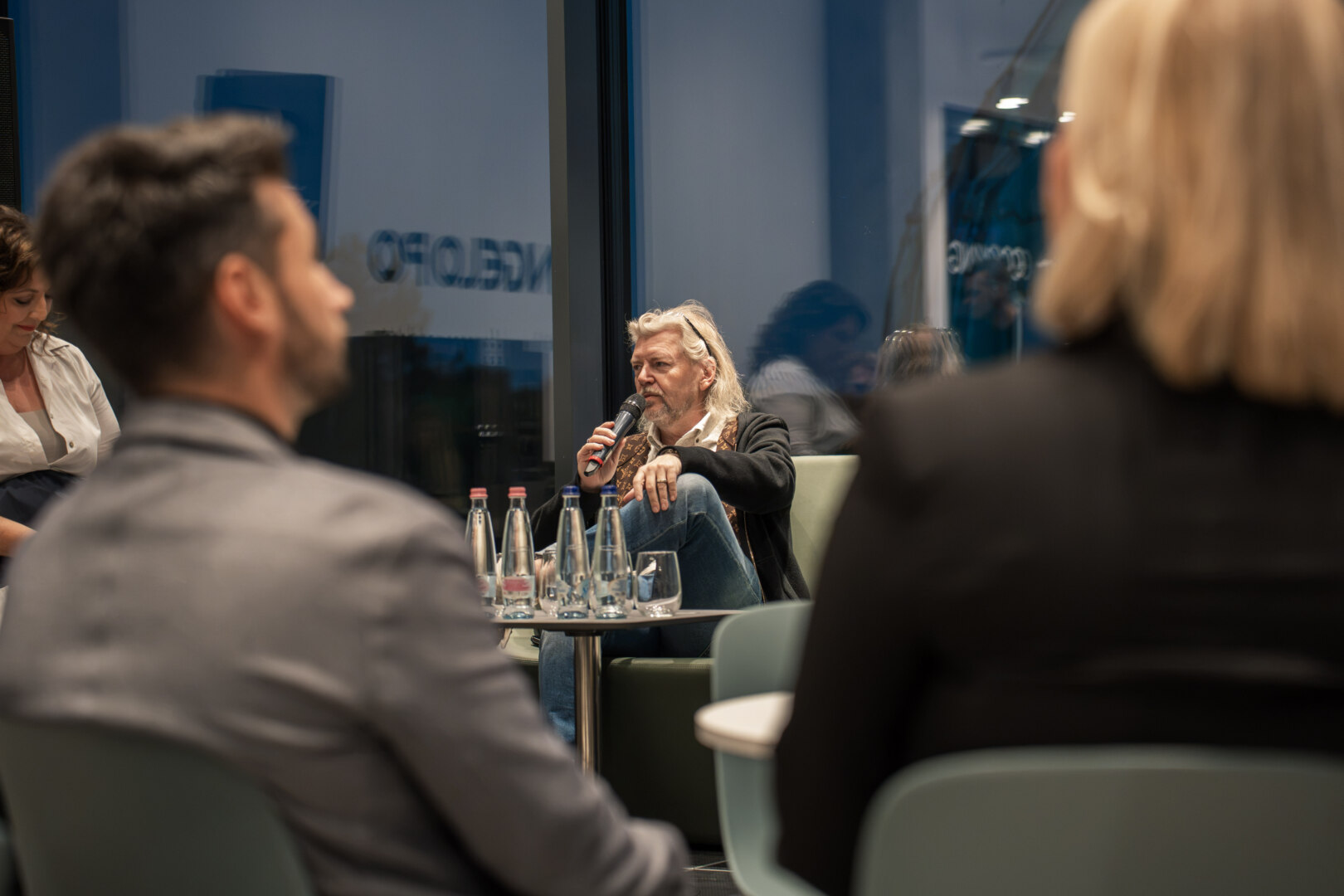
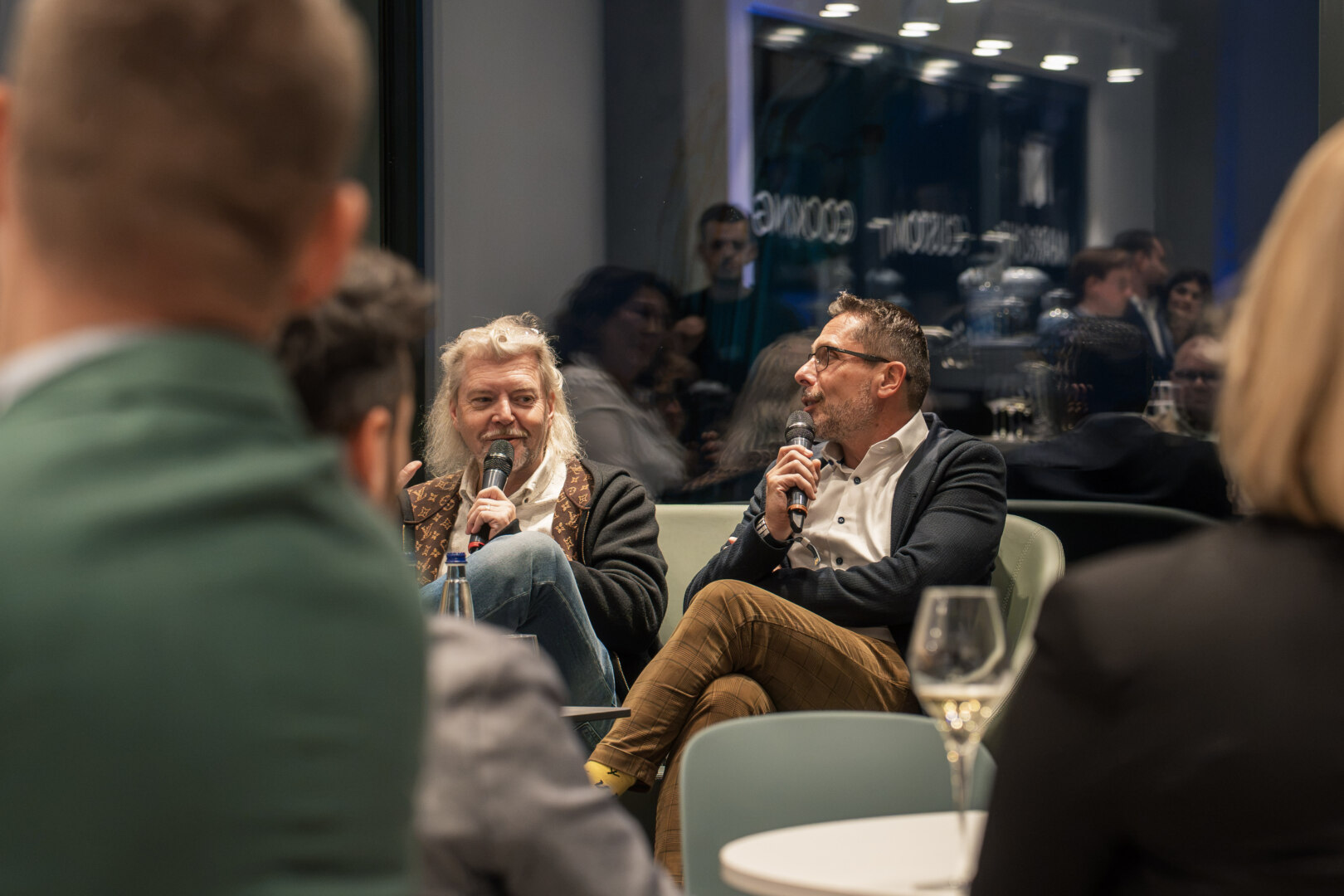
Where is the hospitality industry heading? A round-table discussion on changing expectations
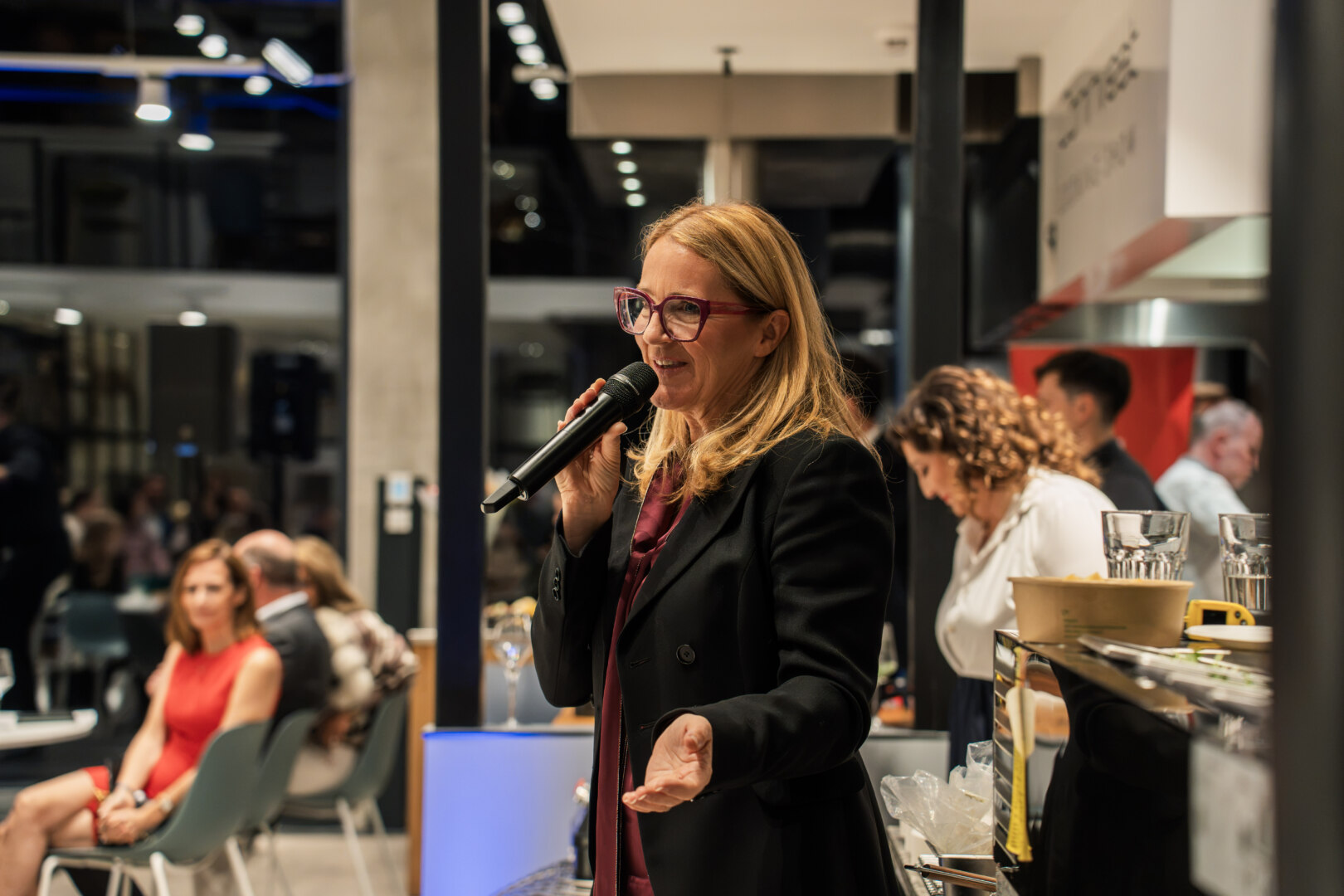
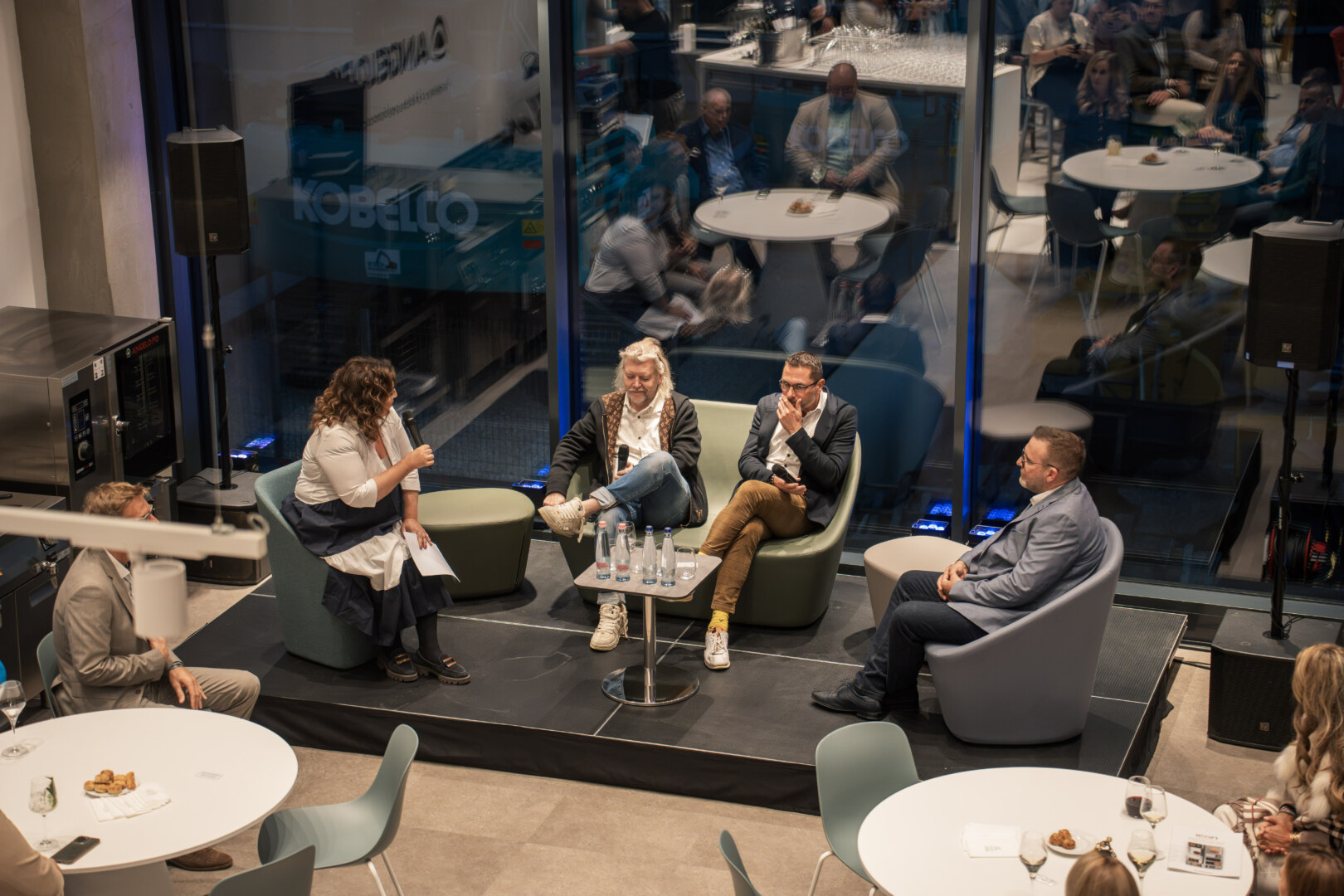
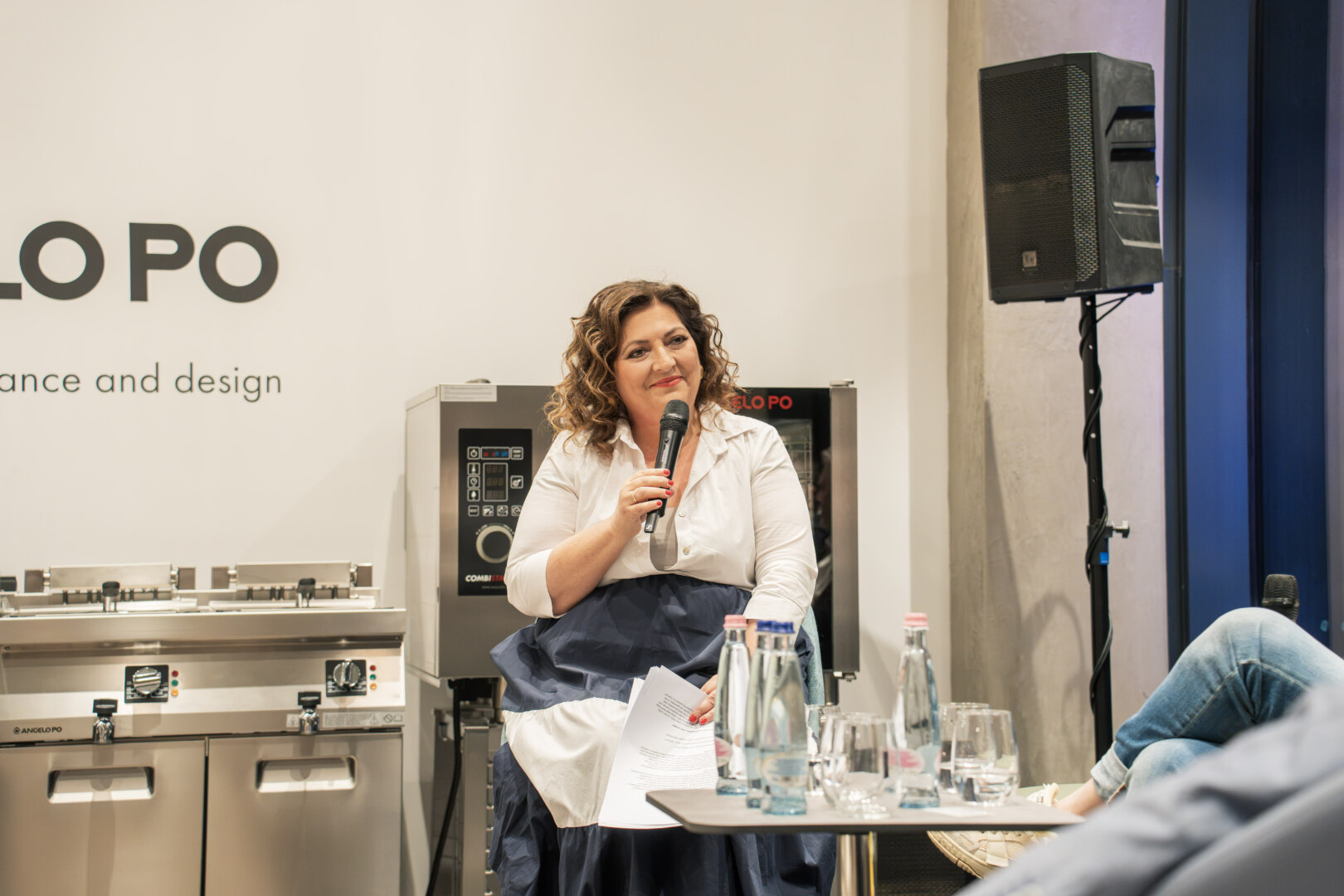
The festival’s professional programme kicked off with a discussion moderated by Zsófi Mautner, featuring Károly Gerendai, Rudolf Semsei and Dr Patrik Horváth. The three experts, representing different operating models and experiences, shared their thoughts on changes in the guest experience, evolving consumer expectations and the role of modern kitchen technology.
Is fine dining dead? And is it really technology that sets restaurants apart?
Josper: the power of charcoal and the art of grilling
The story of Josper began in 1969 in Pineda de Mar, near Barcelona. It was then that Pere Juli and Josep Armangué devised the concept that combines traditional charcoal barbecuing with modern technology. The equipment, made from unique steel alloys, is now used by more than 40,000 customers worldwide. Proud of its family roots, the brand – now part of the Middleby Corporation – continues to innovate under the leadership of the next generation.
At the Coninvest Culinary Festival, Mariano Zakrajsek, Josper’s Regional Business Director for Central Europe and the Balkans, ensured that the technology also demonstrated its capabilities on the plates. During his eleven years’ experience in the hospitality industry, he has gained practical experience in a wide range of settings, from high-end cocktail bars – including Boca Chica – to Michelin-starred restaurants such as El Celler de Can Roca and Mont Bar. As an expert with experience in both restaurant launches and restaurant management, he prepared two dishes at the event.
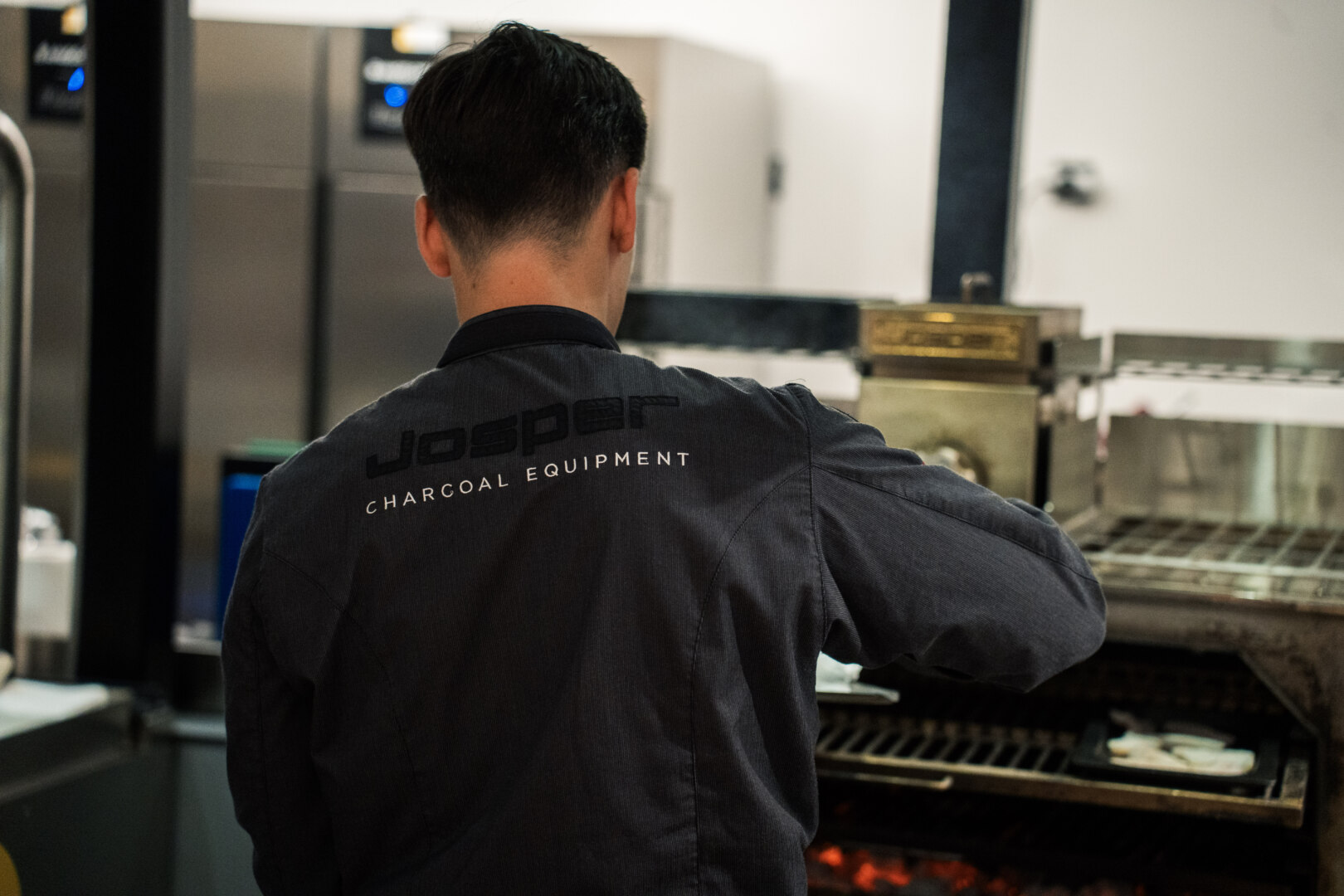
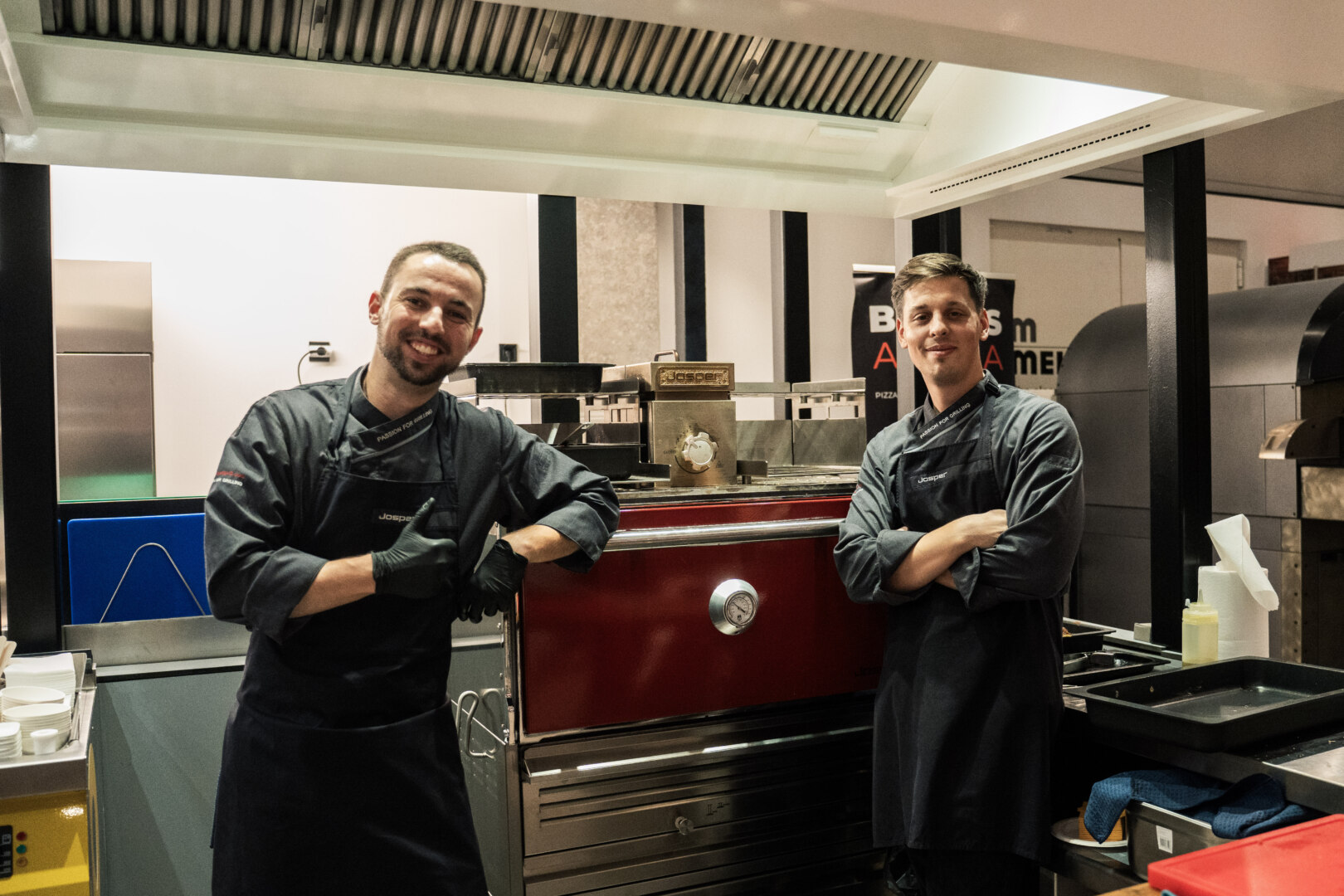
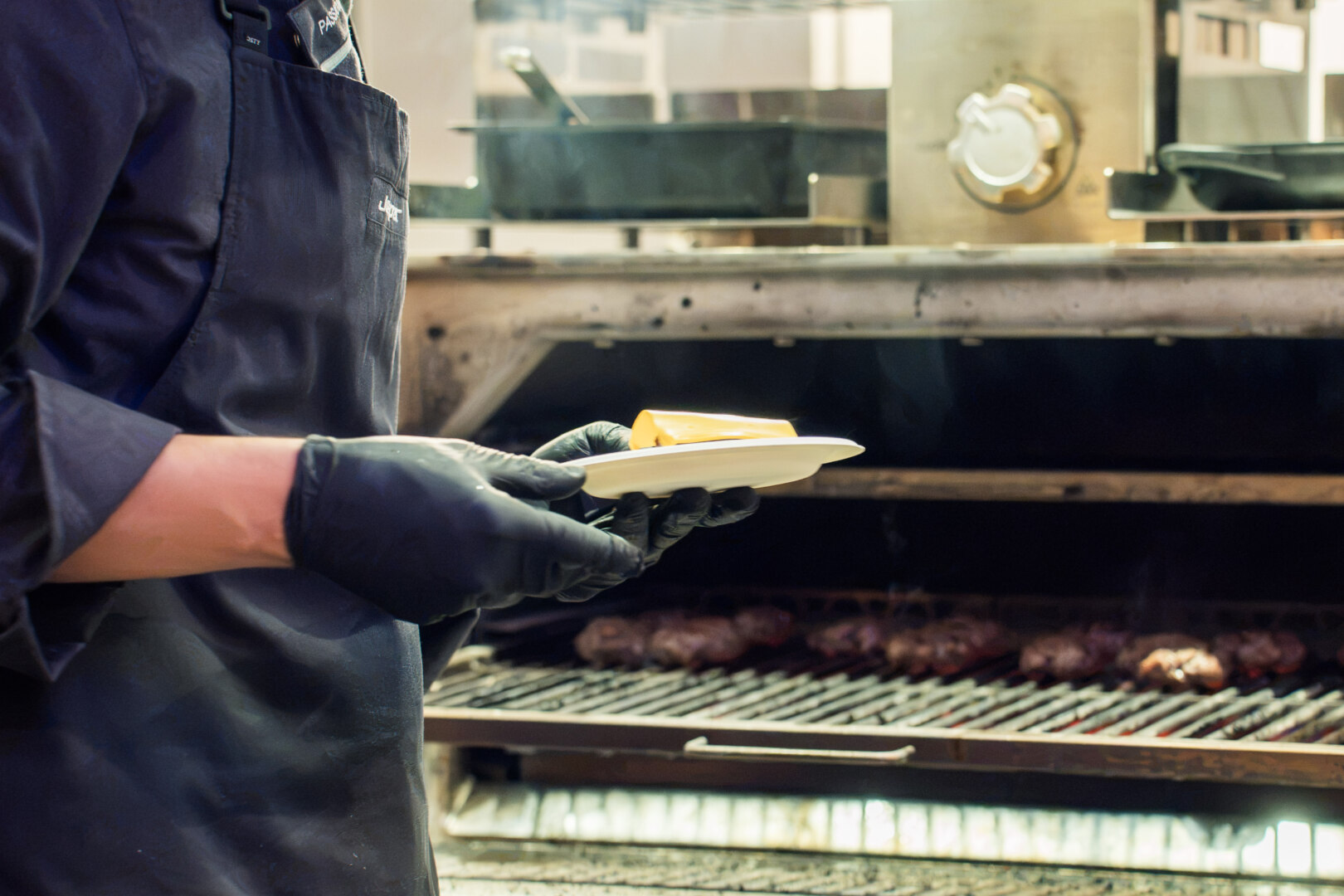
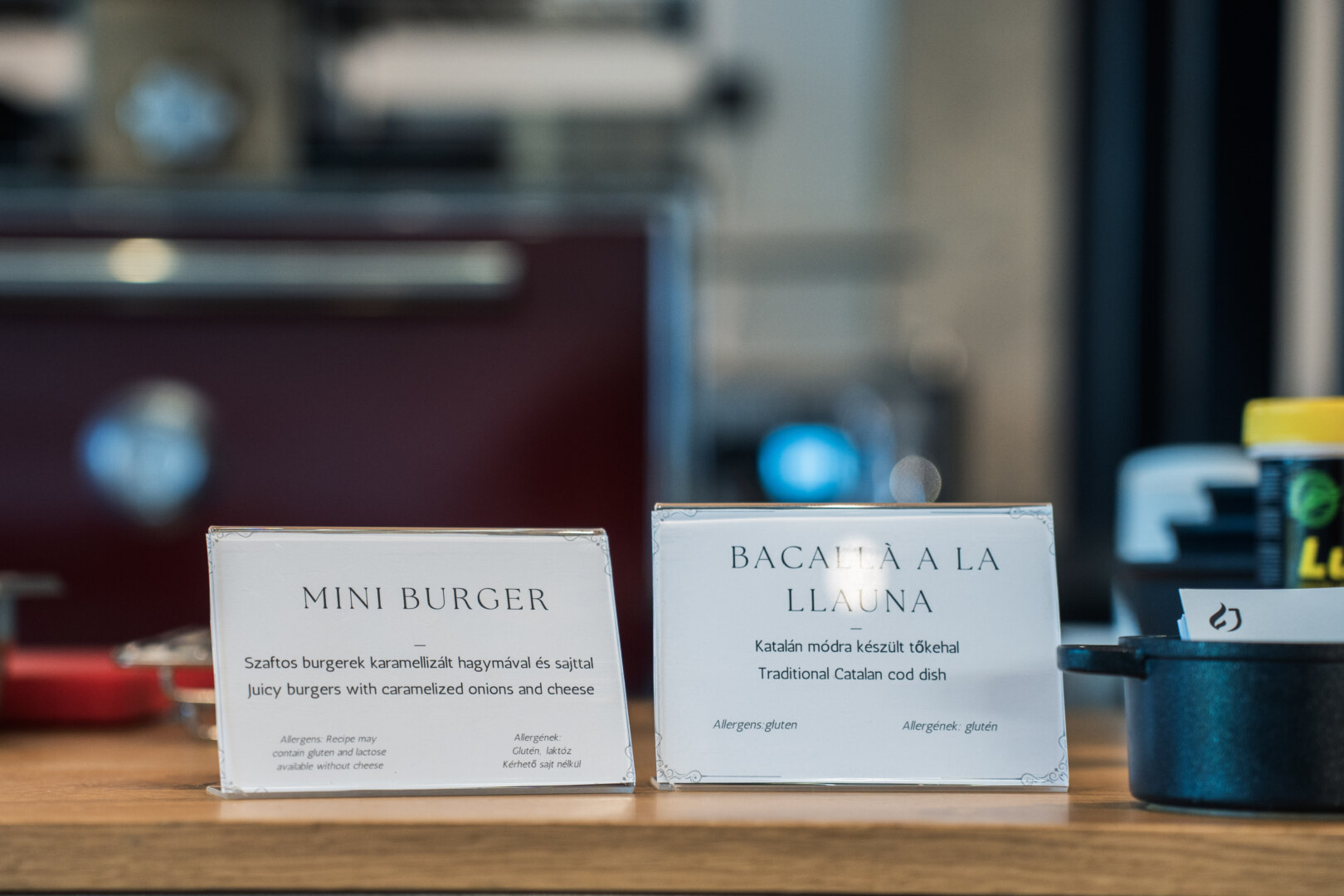
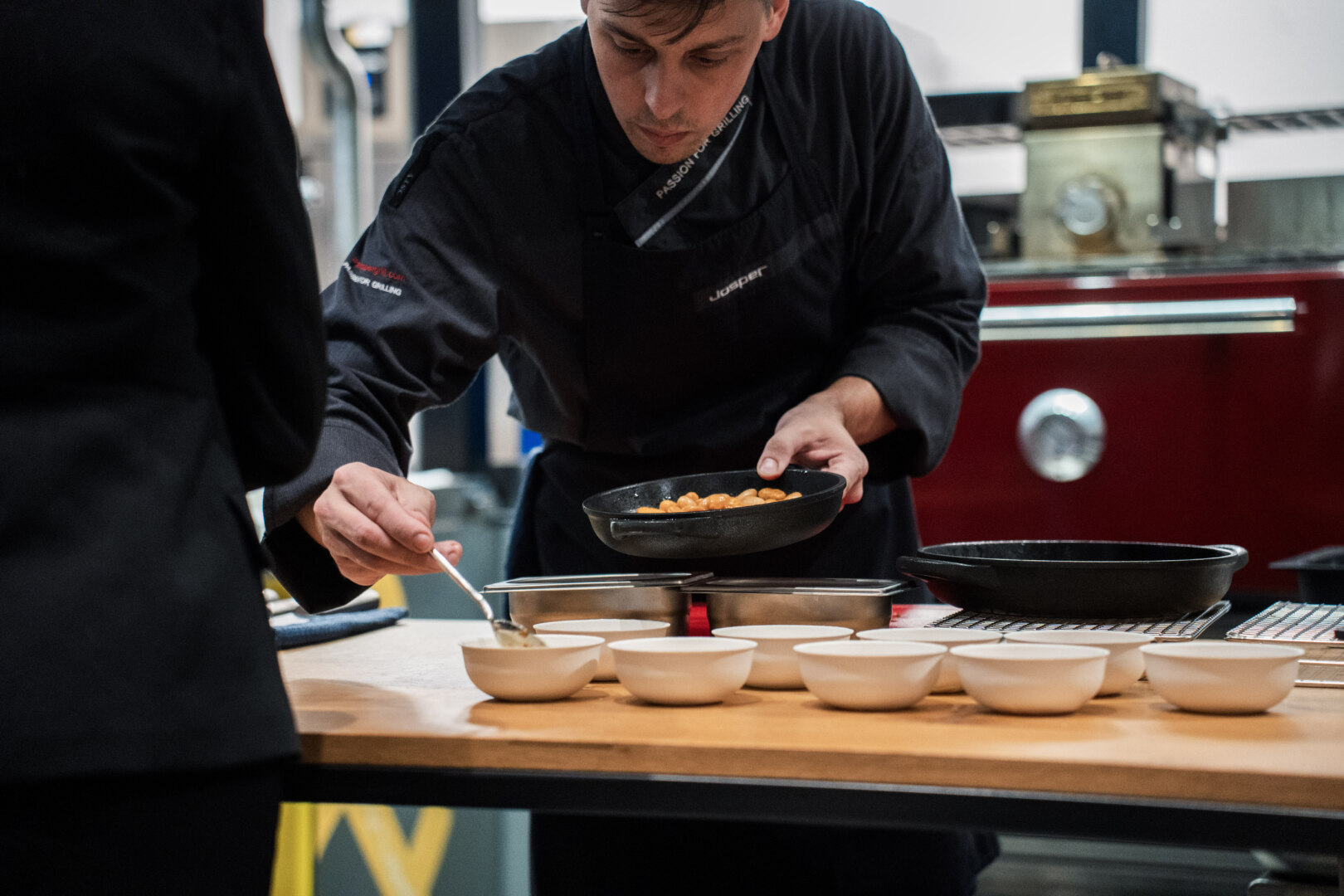
Alongside the juicy burgers served with caramelised onions and cheese, guests were also treated to a traditional Catalan cod dish, Bacallà a la llauna. The dishes clearly demonstrated how the distinctive flavours of charcoal grilling can be combined with precise heat control and professional culinary techniques.
Angelo Po: over a century of experience serving professional kitchens
The history of Angelo Po began in 1922 in Carpi, Italy, when a young blacksmith opened his first workshop. The journey led from repairing early wood-fired cookers, through the creation of its own enamelled model, the Carpigiana, to the elegant Americana cooker. The early use of stainless steel, followed by the introduction of modular commercial kitchen equipment from the 1960s onwards, paved the way for the brand to enter the international market. With the Sagi manufacturing unit, high-end refrigeration technology also became a key area for the company. Since 2016, Angelo Po has been a member of Marmon Holdings, part of the Berkshire Hathaway group.
The brand was represented at the event by Massimo Maspero, corporate chef, and Stefano Armillei Cocci, business development manager. Massimo Maspero is an Italian executive and corporate chef who has gained international experience in both Italy and Argentina, and has also worked as a restaurant owner for eleven years. In his professional work, he combines gastronomy with modern kitchen technology – including solutions from Convotherm, Rational and Merrychef – paying particular attention to the optimisation of work processes and event organisation.
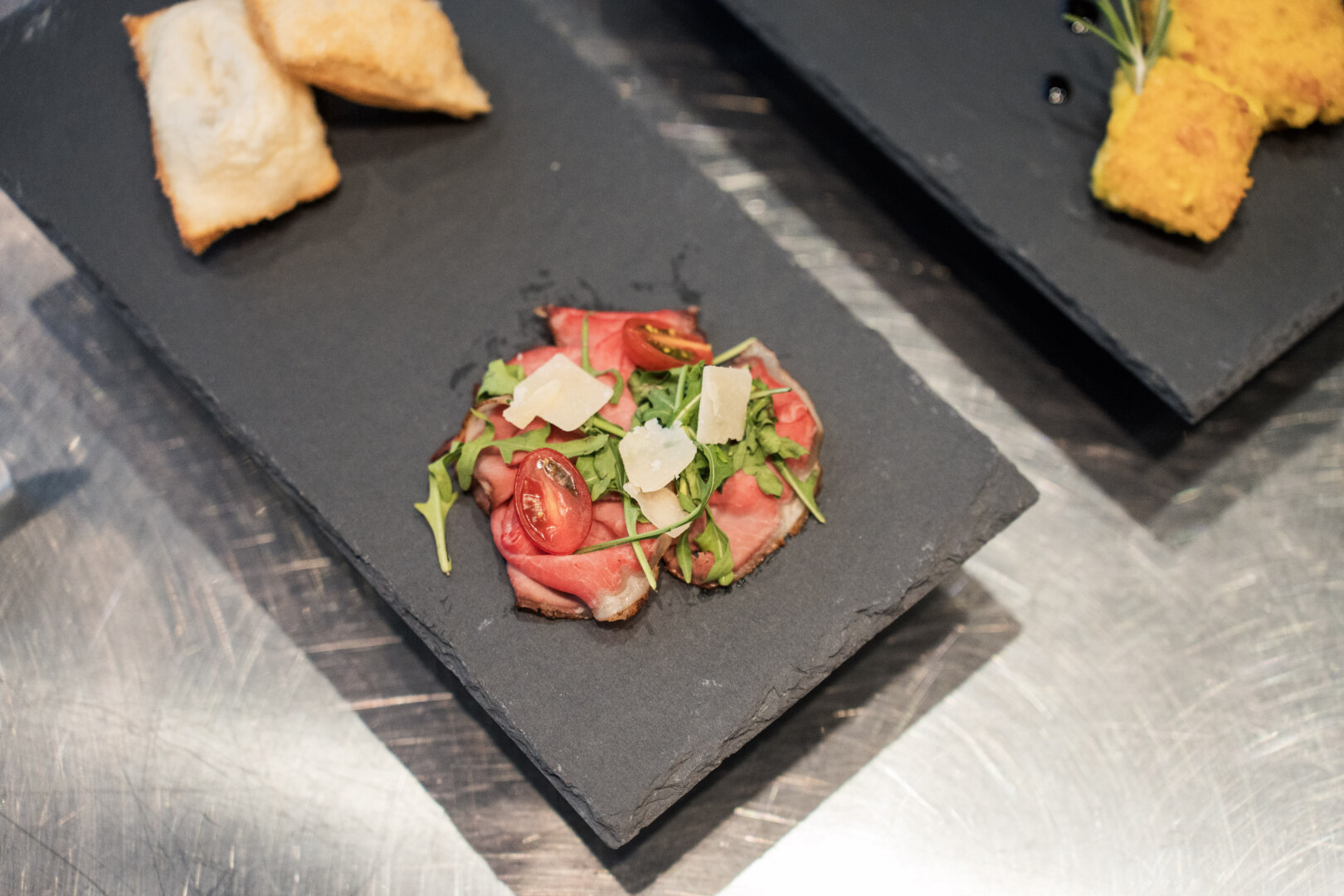
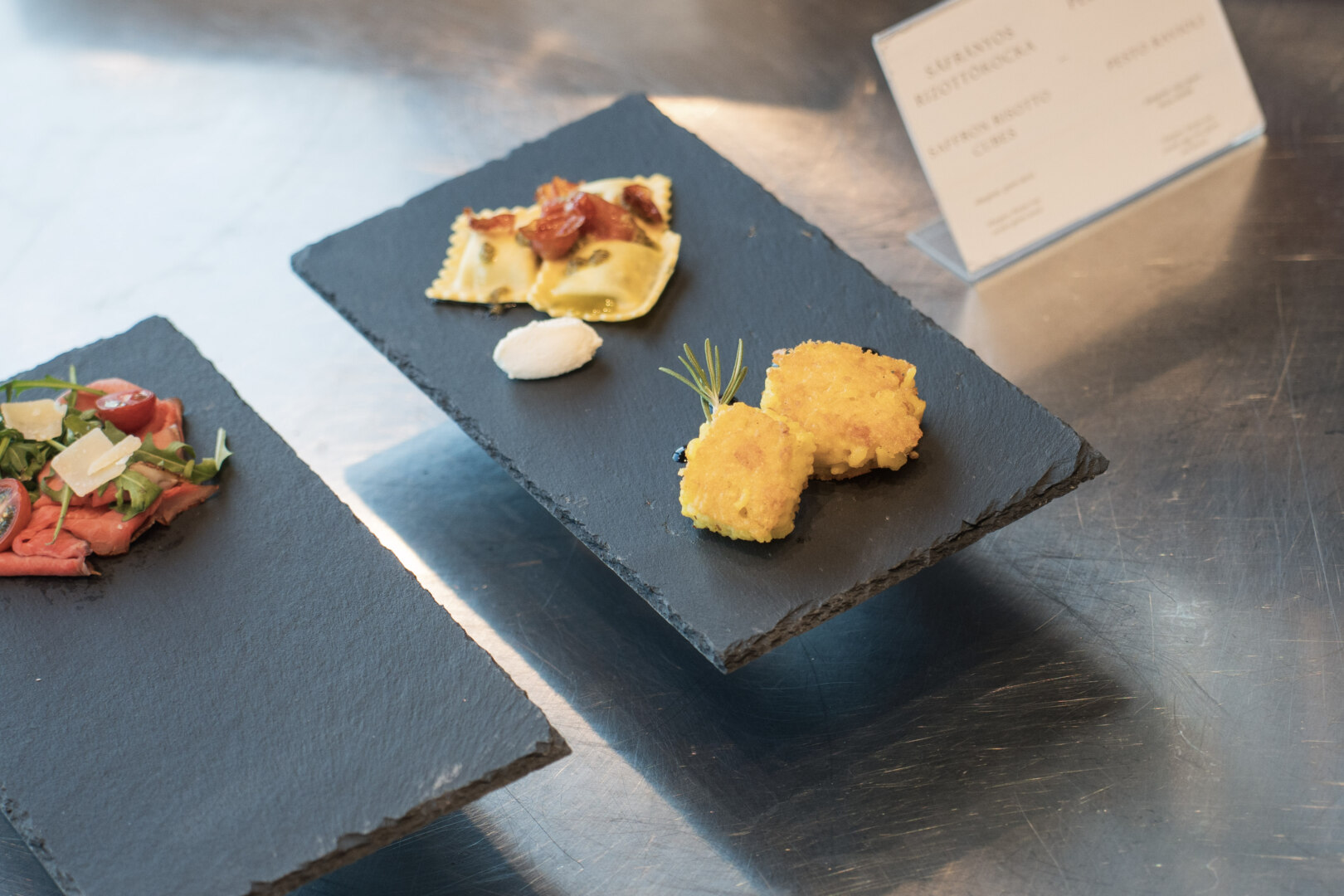
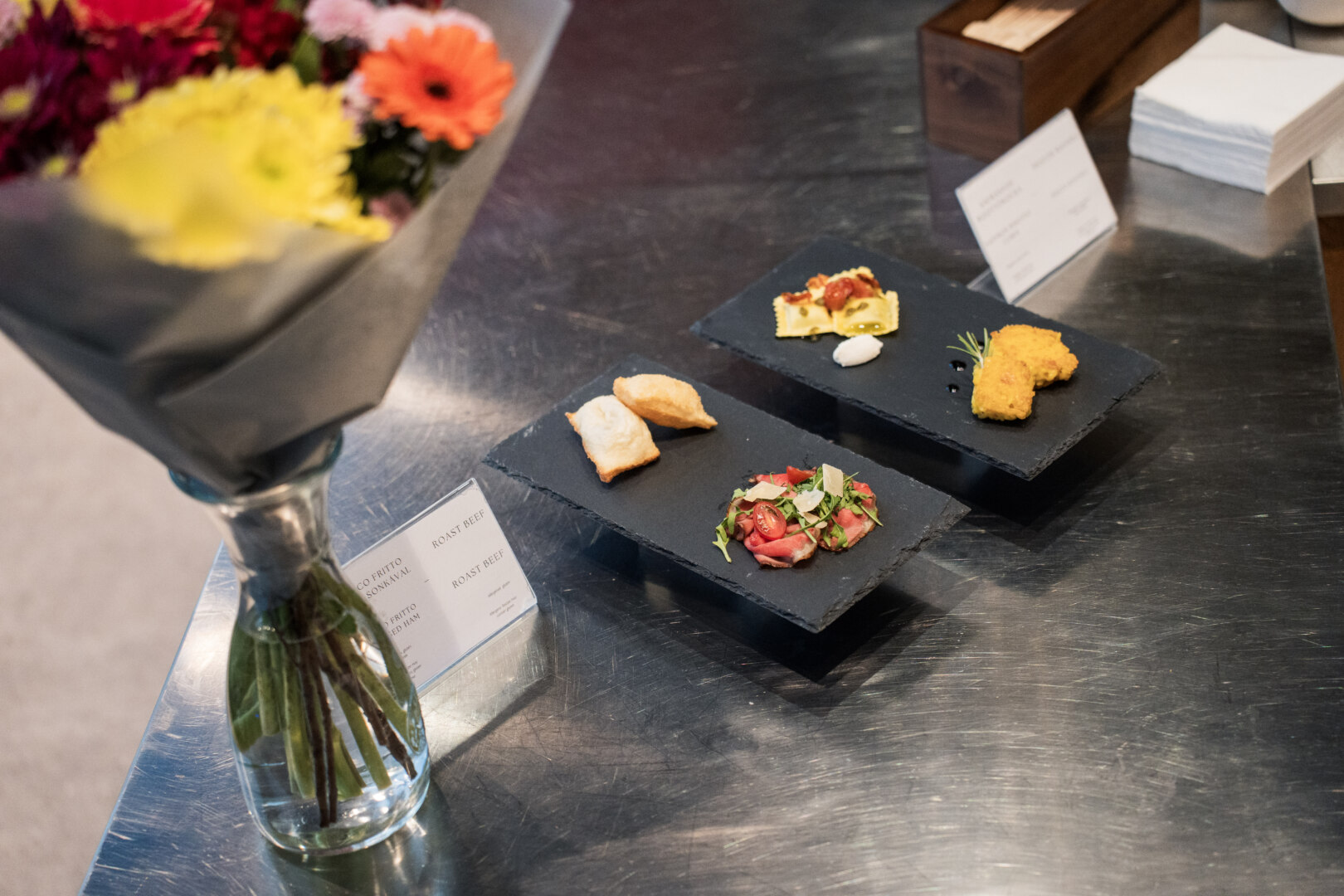
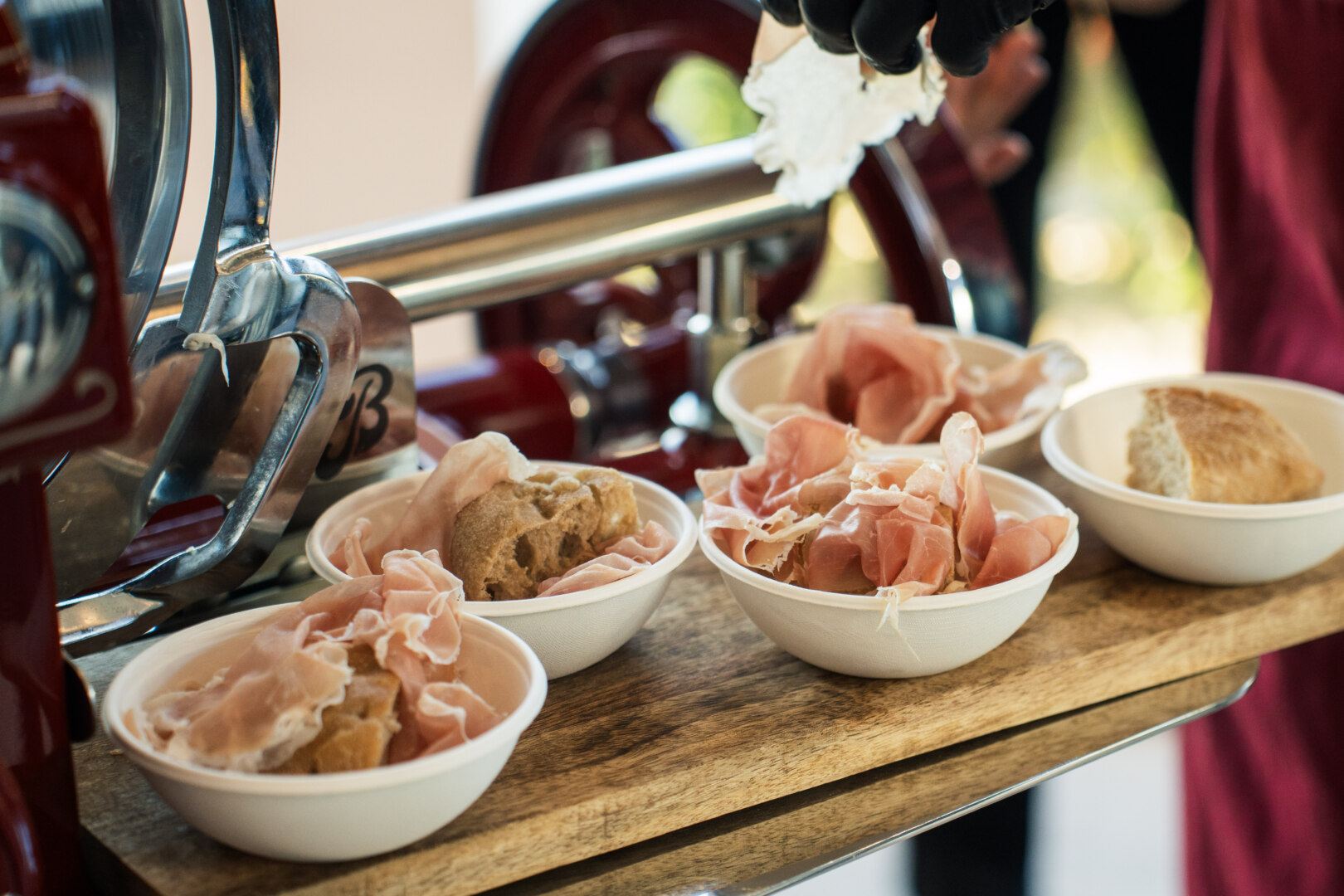
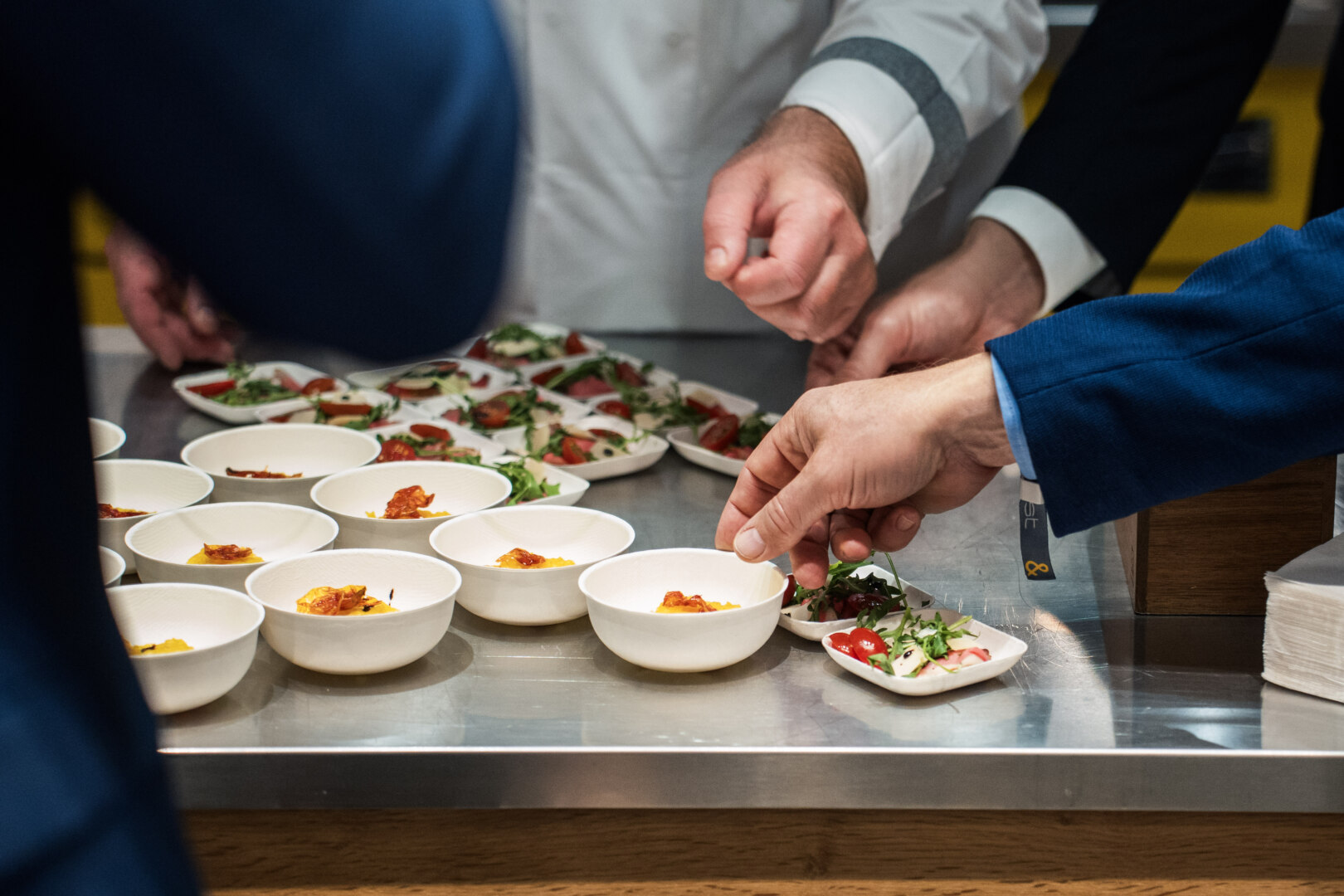
The Angelo Po stand showcased several exciting facets of Italian cuisine. Guests were able to sample saffron risotto cubes, fried in rosemary-infused clarified butter until golden brown, followed by pesto ravioli with smoked cherry tomatoes and fresh ricotta. Gnocco fritto with cured ham and slow-roasted beef, served with rocket, shavings of Parmesan, cherry tomatoes and balsamic vinegar, rounded off the selection.
Hoshizaki: ice is an essential part of the perfect cocktail
In a well-made cocktail, alongside the ingredients, proportions and preparation method, the quality of the ice is also crucial. It affects how the drink is chilled, the rate at which it dilutes, and the overall drinking experience. Hoshizaki’s professional ice machines have put this often-overlooked yet essential element in the spotlight.
At the event, Oliver Deak, head of Oliver Deak Bartending Services, presented three signature cocktails. The Yuzu Spritz was built around the character of yuzu, which has been part of East Asian culture for over a thousand years: the slightly sweet yuzu sake was complemented by dry Prosecco, soda water and fresh, spicy shiso leaves. The Cane & Grain combines the ‘agricole’ style – linked to South-East Asian sugarcane and French rum-making traditions – with the flavour of toasted rice, creating warm, nutty and herbaceous aromas. The third drink, Chado, drew its inspiration from the Japanese green tea ice cream served at 19th-century diplomatic banquets: it evoked those sweet and earthy flavours in the form of a silky, light milk punch.
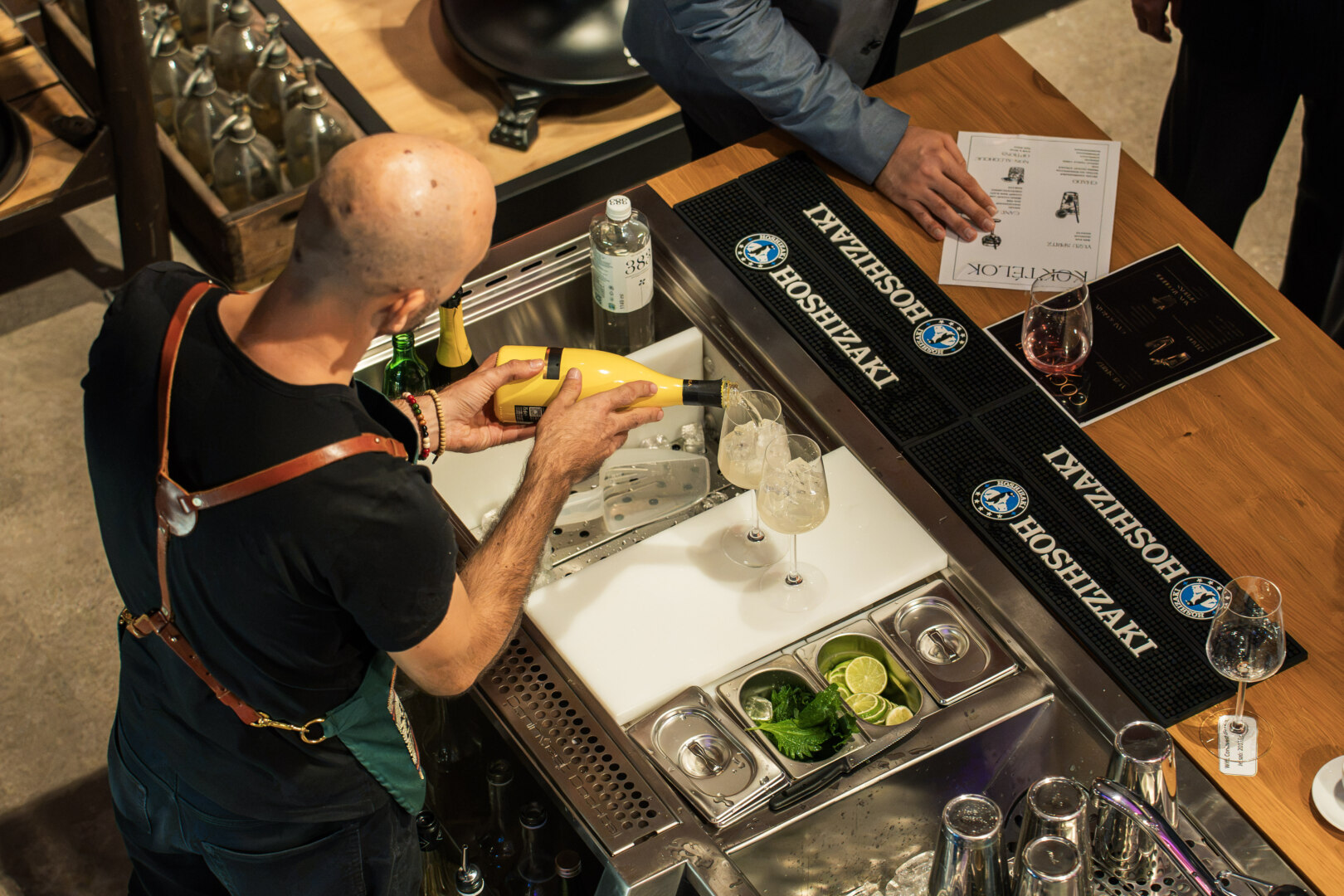
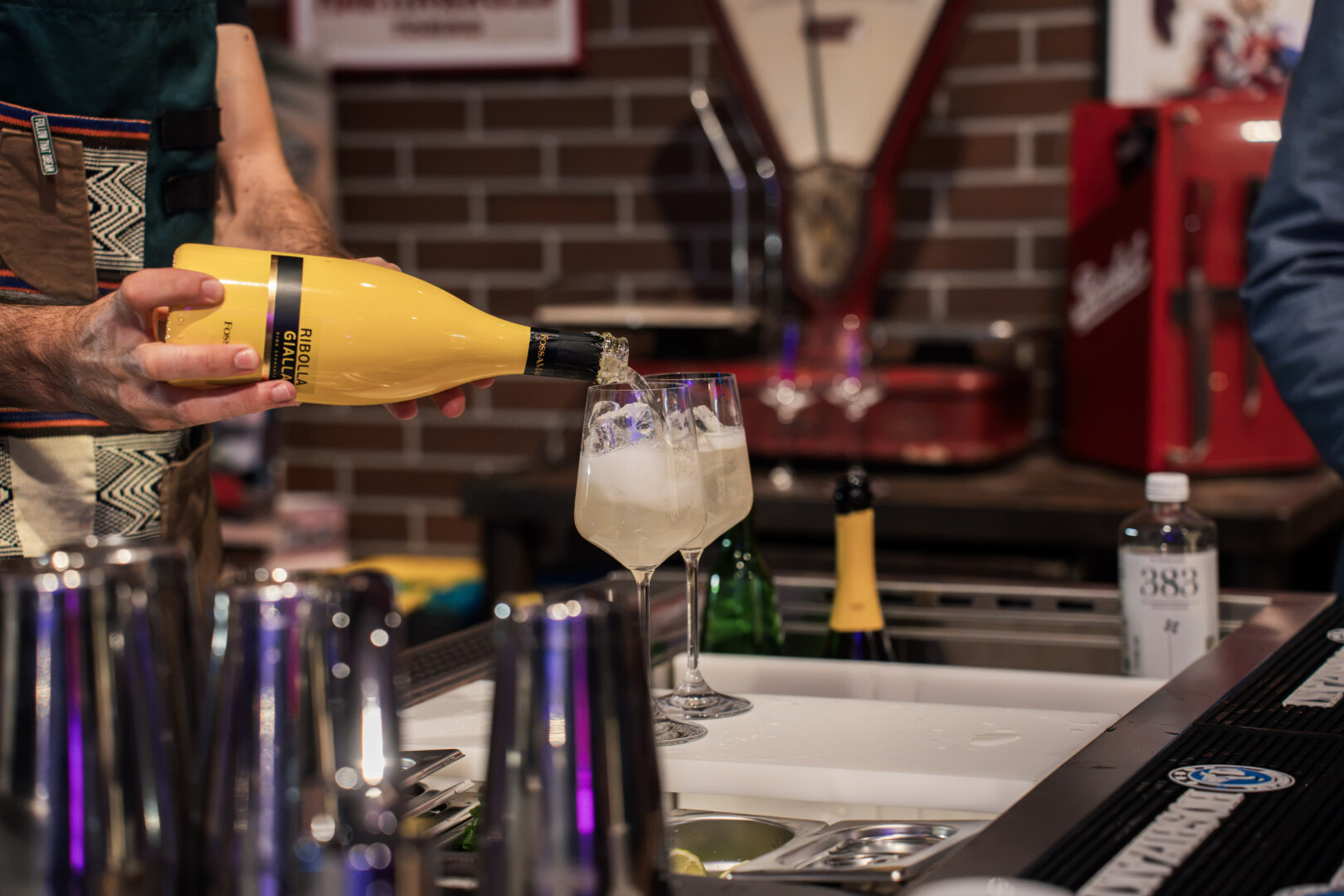
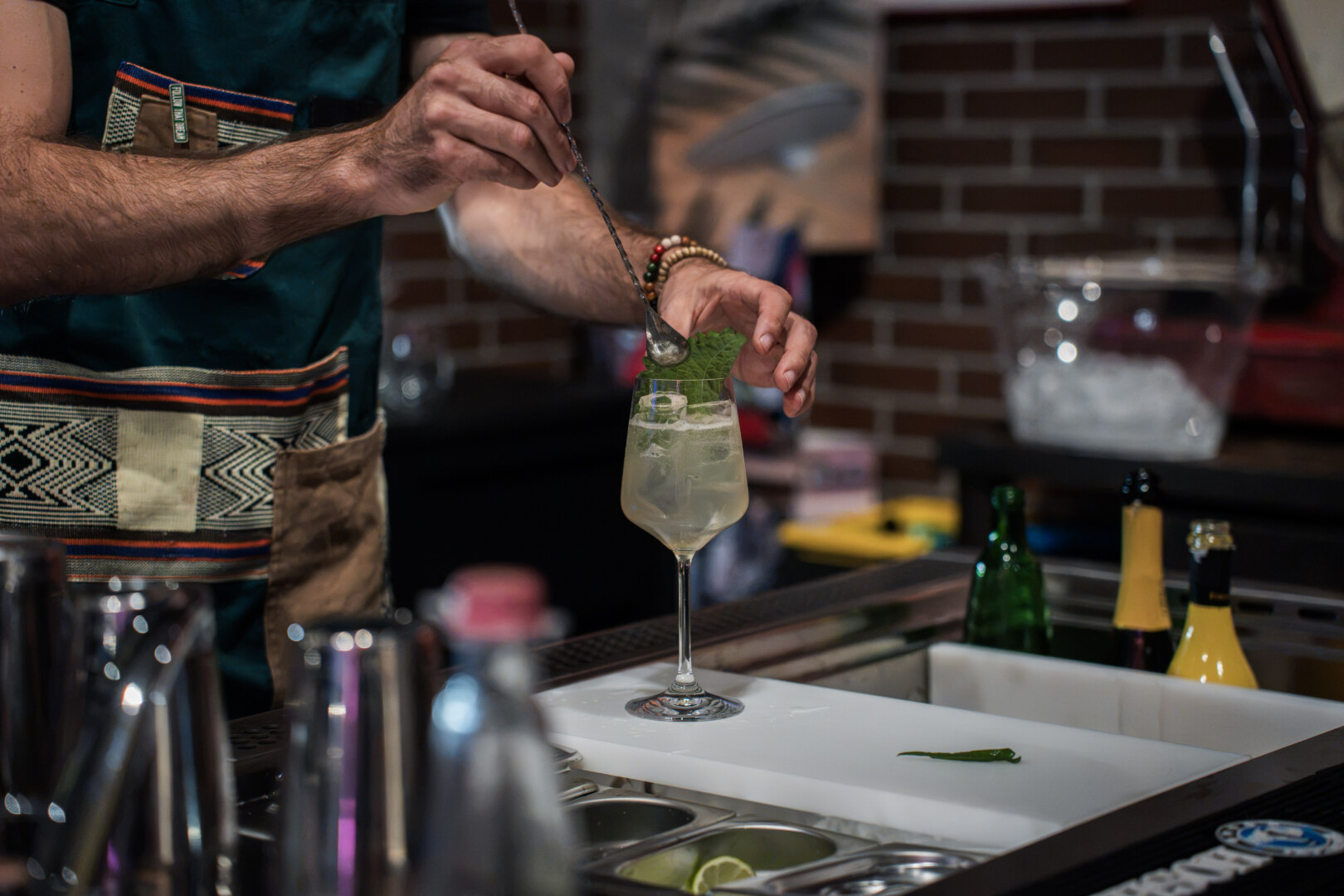
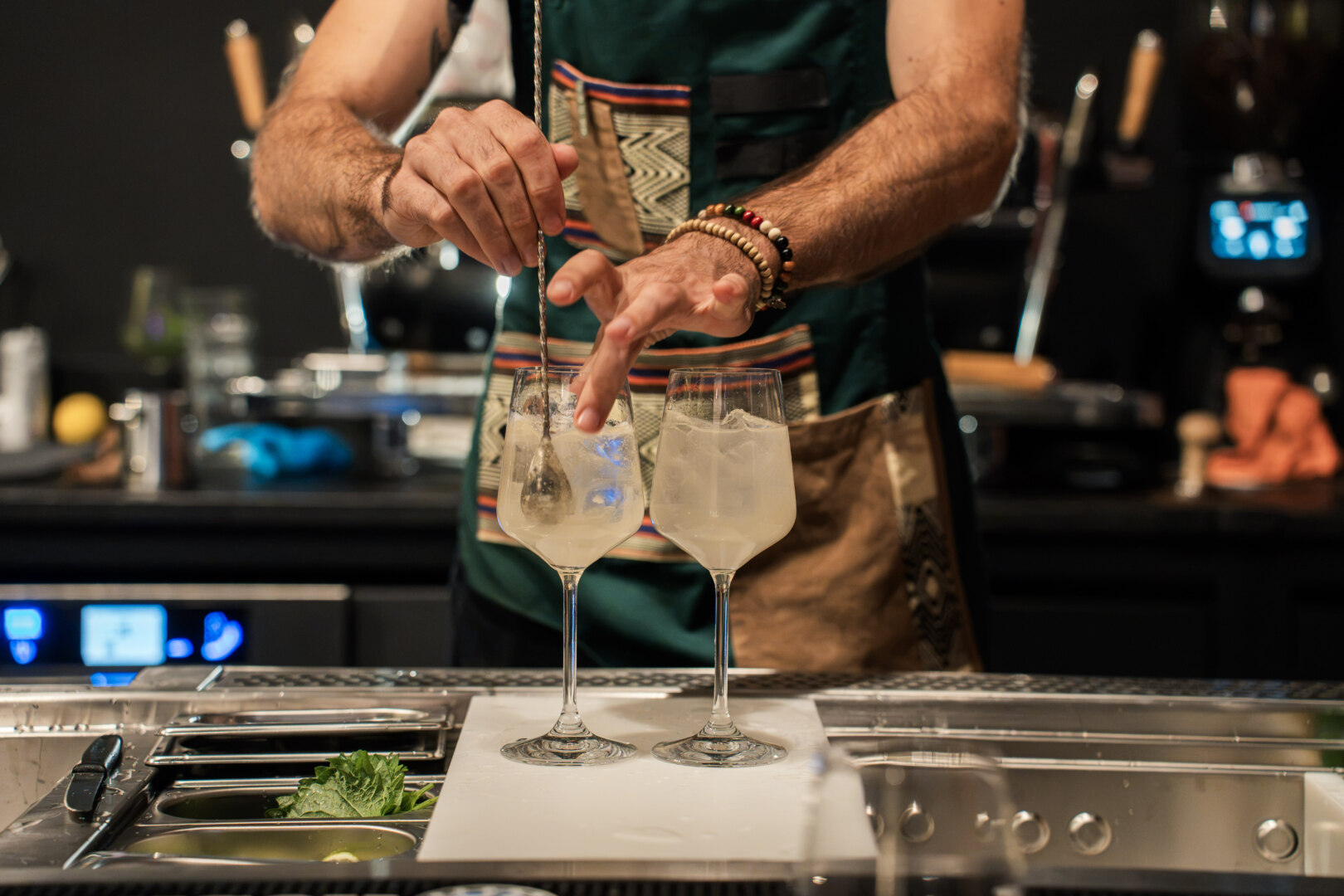
There is some serious technology behind the ice that goes into the glasses. Hoshizaki, renowned for its Japanese engineering precision, uses a closed-loop water system and UV light sterilisation. The closed-cell technology of the IM series, the brand’s flagship range, forms each ice cube individually by spraying it with fresh water, resulting in compact, hard ice that melts more slowly. In professional catering, this is not merely a technical detail: the right ice is a vital part of a drink’s quality, consistency and hygienic preparation.
Moretti Forni: Italian baking tradition, continuous technological innovation
Moretti Forni has been working since 1946 to get the very best out of baking. The Italian manufacturer, which builds on its SmartBaking® technology, is a market leader in its home country and exports 75 per cent of its baking technologies to more than 120 countries. The company offers more than just equipment: it also supports its partners in designing the ideal business solution and kitchen layout, whether for pizza, bakery products, confectionery or other culinary applications. The knowledge gained is passed on through the training courses at the MorettiLAB Baking Academy.
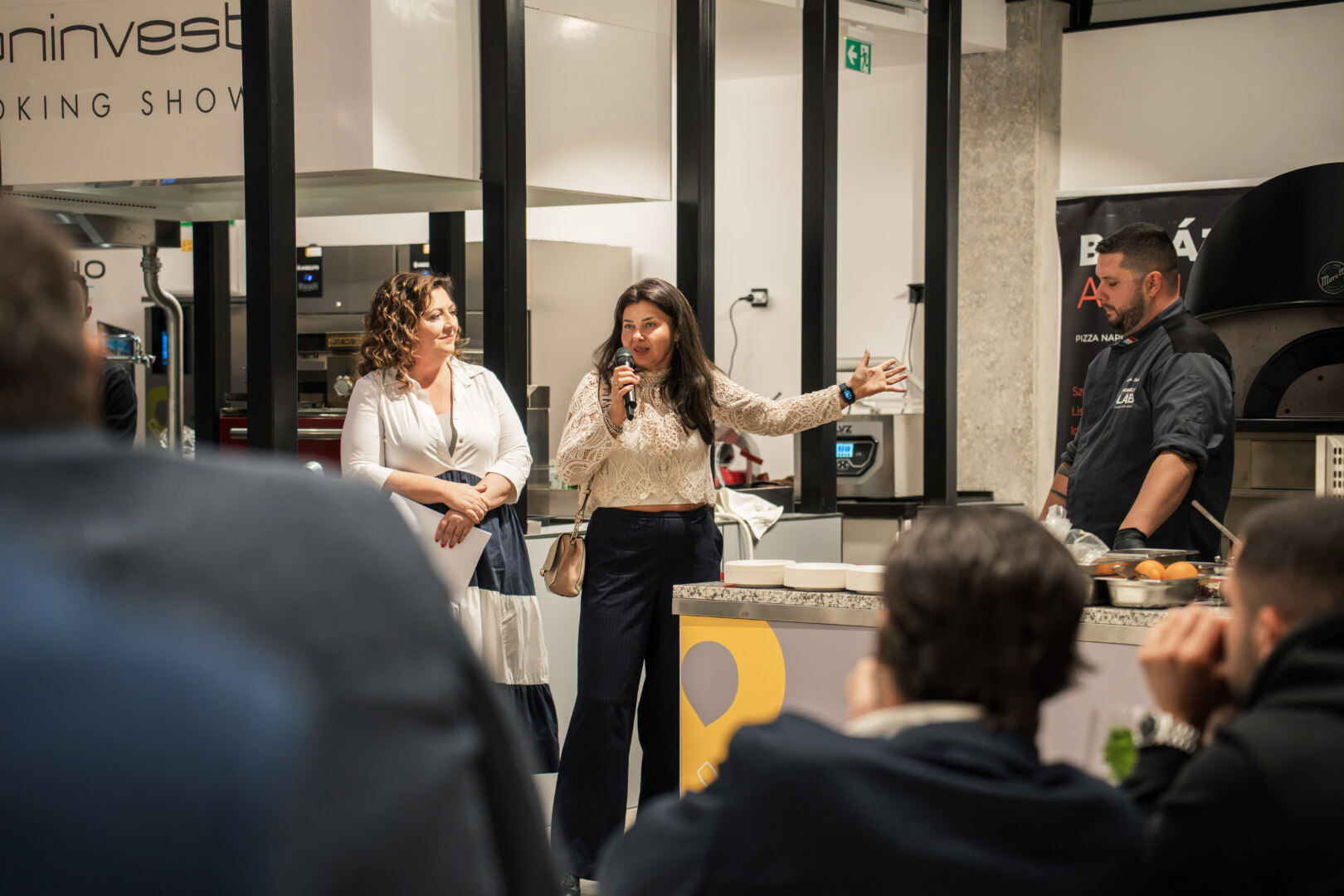
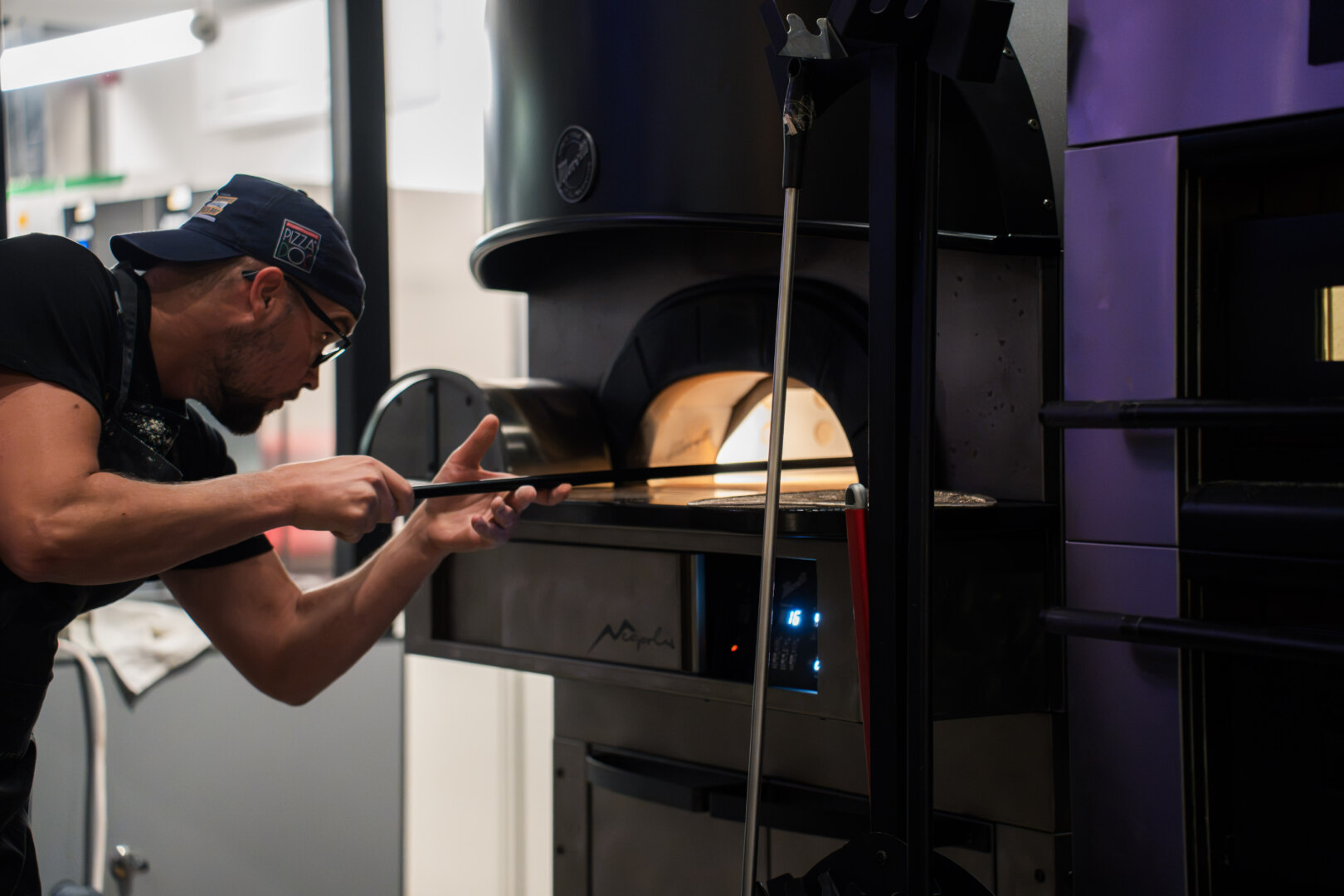
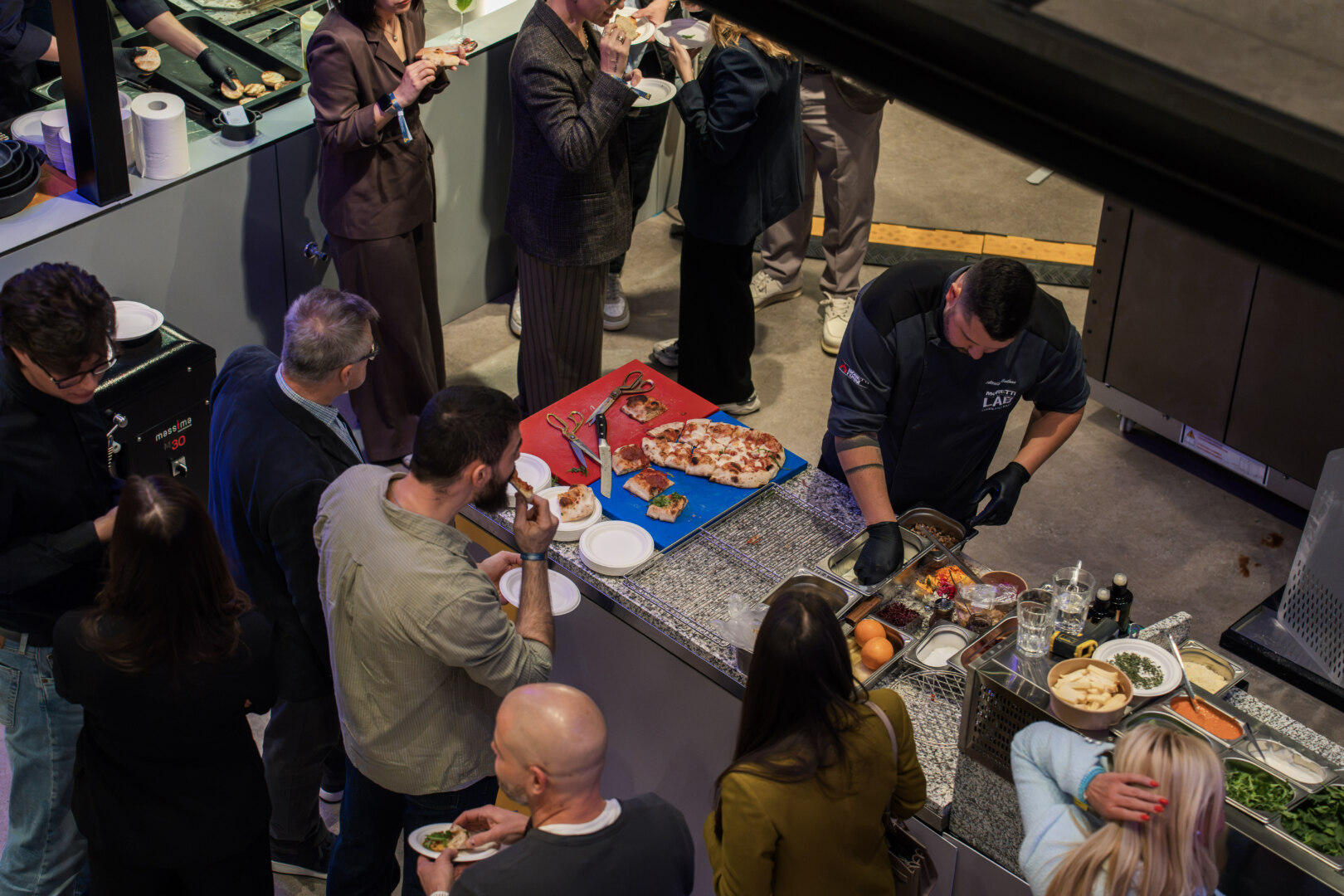
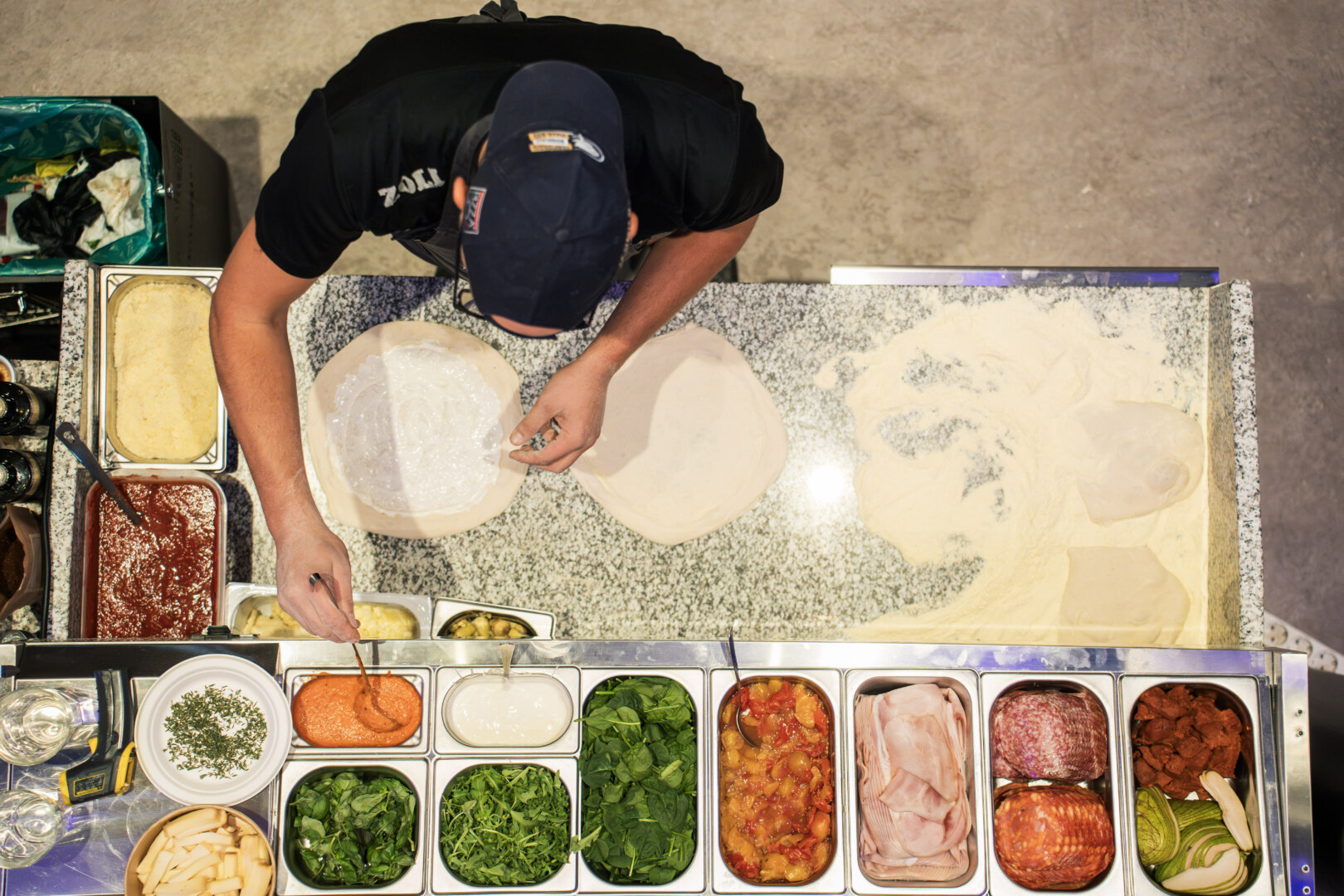
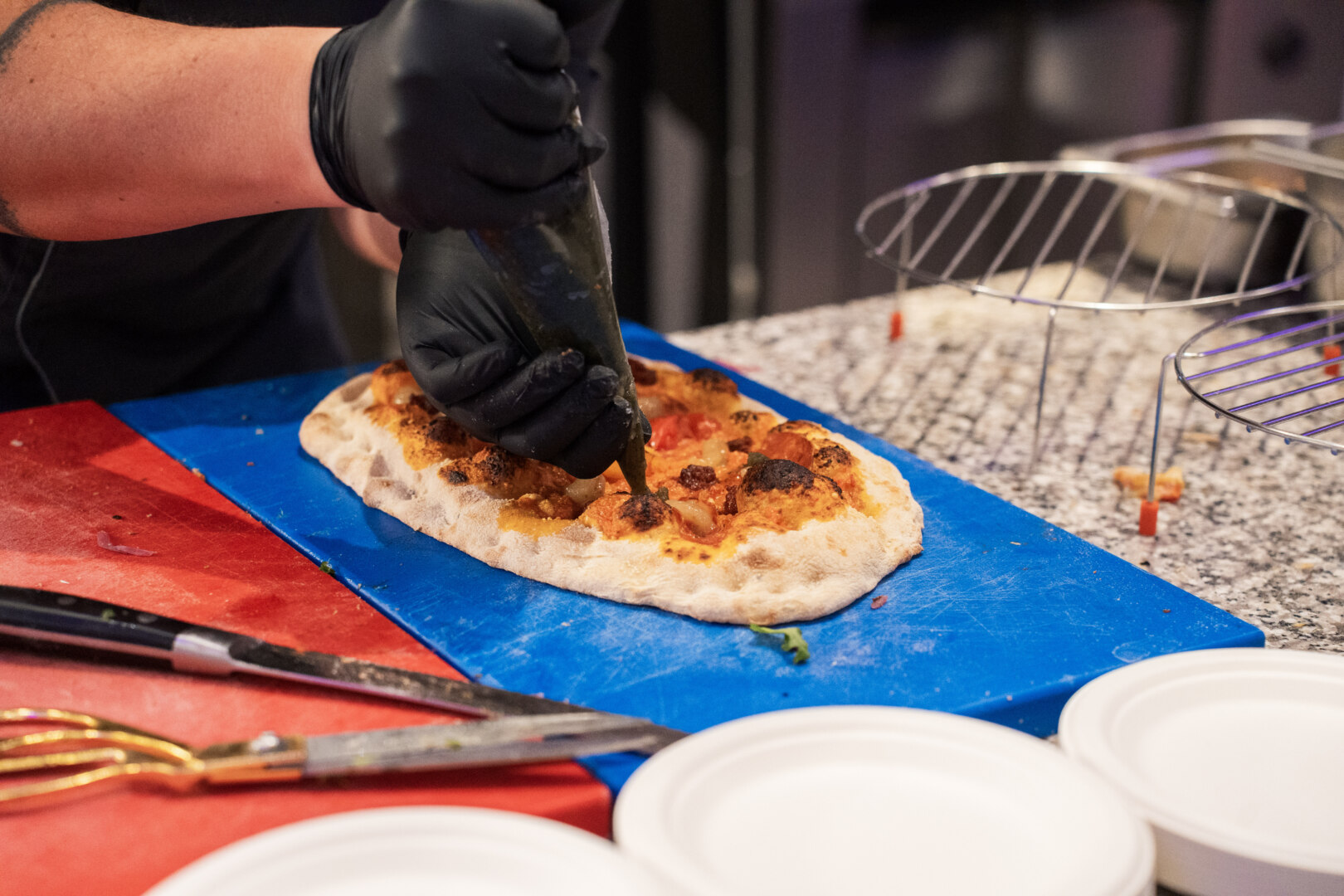
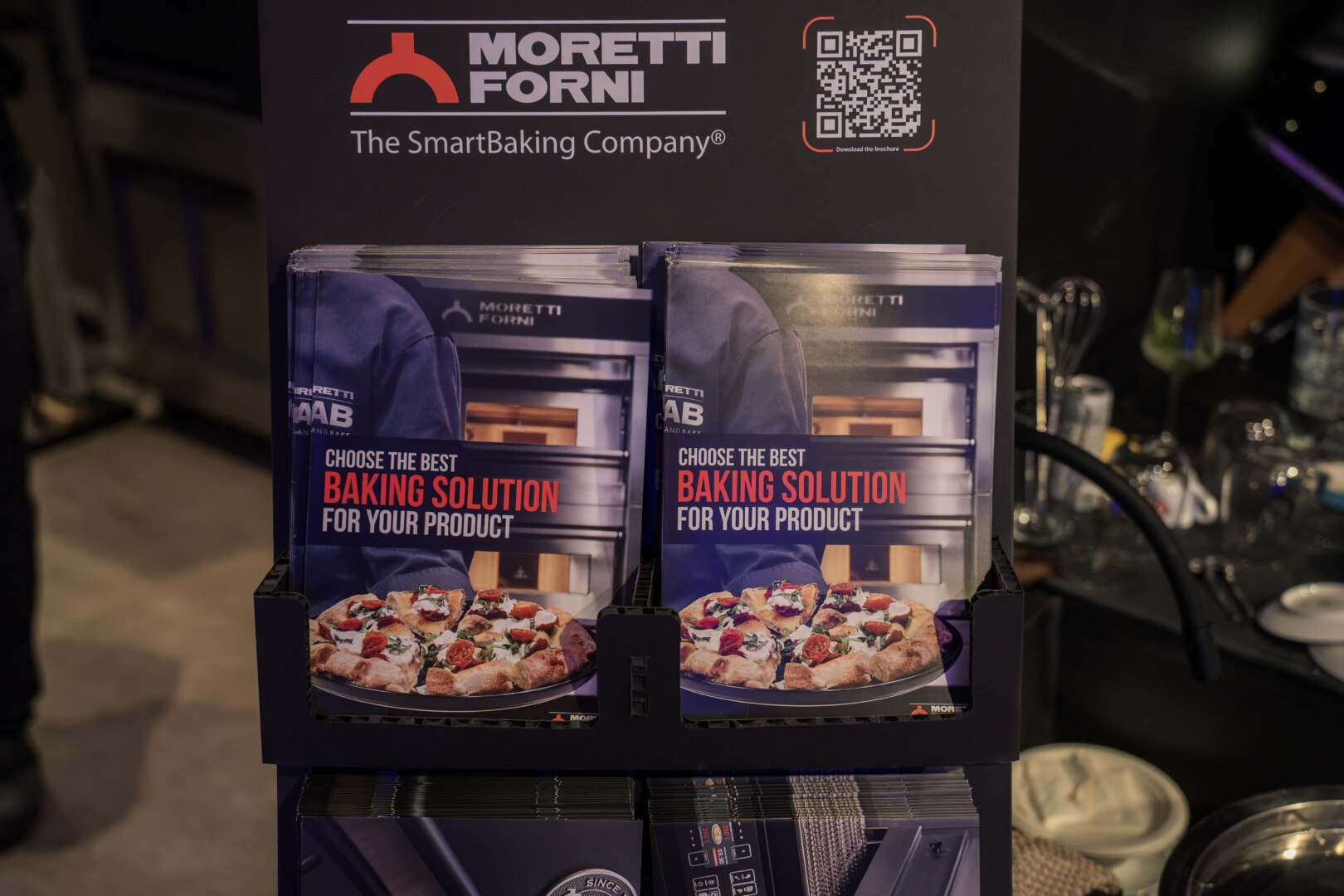
During the evening, Julia Koverzneva, Moretti Forni’s export area manager, represented the brand, whilst Attila Balázs, a pizzaiolo and co-owner and head chef at the Cukorborsó Kertvendéglő in Páty, introduced the guests to the practical aspects of pizza-making. Attila Balázs is an official trainer and Master Instructor at the Accademia Nazionale Pizza DOC, as well as an international pizza competitor. In his work, he combines Italian traditions with modern, long-fermentation techniques, demonstrating that Neapolitan pizza is both a heritage worthy of respect and a constantly evolving gastronomic art form.
MEIKO: the technology of cleanliness and the personal stories behind wines
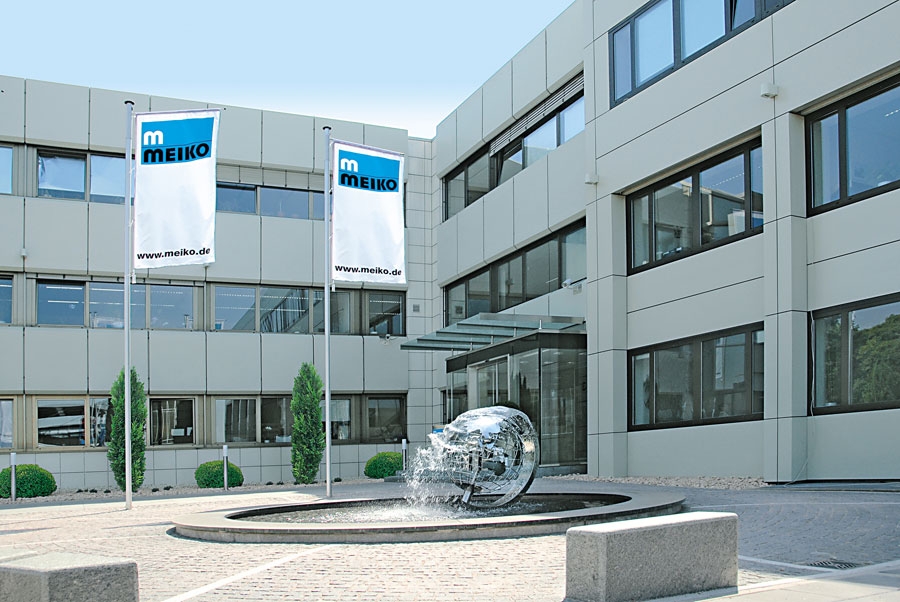
MEIKO’s story began some 90 years ago in the Black Forest in Germany, in a small garage workshop. The company has since become a leading player in the global market for professional dishwashing, cleaning and disinfection technologies. Its manufacturing facilities in Germany, China and the United States are united by a consistent commitment to quality, symbolised by the rounded ‘M’ logo and the ‘Made by MEIKO’ guarantee. An extensive international network of branches and service centres provides support to partners 24 hours a day. The brand was represented at the event by Marko Batinić, MEIKO’s Sales Manager for South-Eastern Europe.
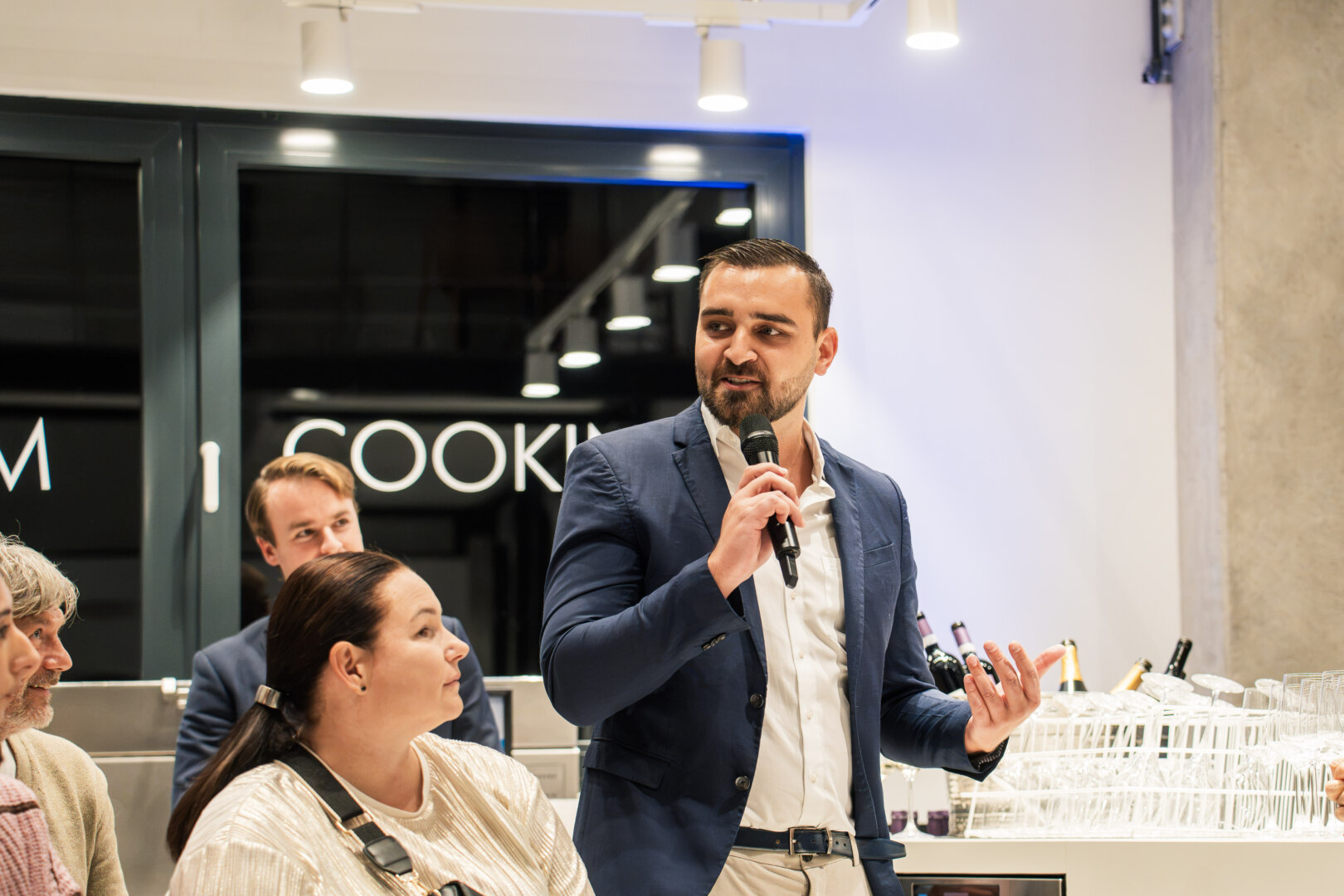
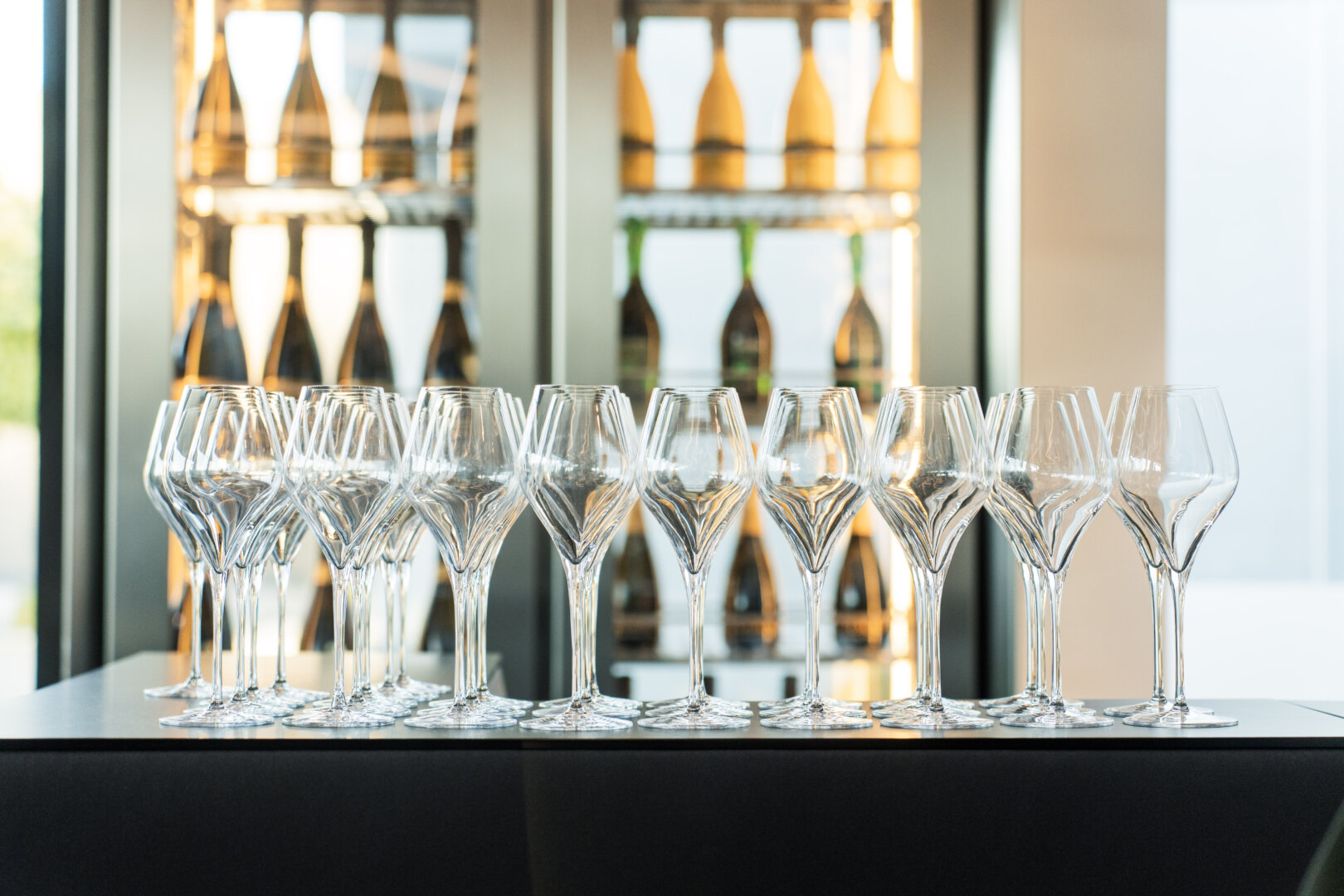

MEIKO’s technology works behind the scenes to ensure that cleanliness and hygiene – one of the most fundamental requirements of the hospitality industry – are maintained to the highest standards. At the festival, however, special attention was also paid to the glasses: the wines were selected by Helena Jordan, who was named Sommelière of the Year by Gault&Millau in 2024. The founder of Café Capra has worked at several renowned restaurants during her career, including Tian in Vienna, the three-Michelin-starred Schloss Schauenstein, Stucki in Basel, and Per Se and Blue Hill at Stone Barns in New York.
Helena Jordan also studied environmental management before returning to her hometown of St. Valentin in Austria, where she opened her own (wine) bistro, Café Capra. The concept of the venue centres on the combination of dishes made from the finest local, artisanal ingredients and accessible natural and small-producer wines.
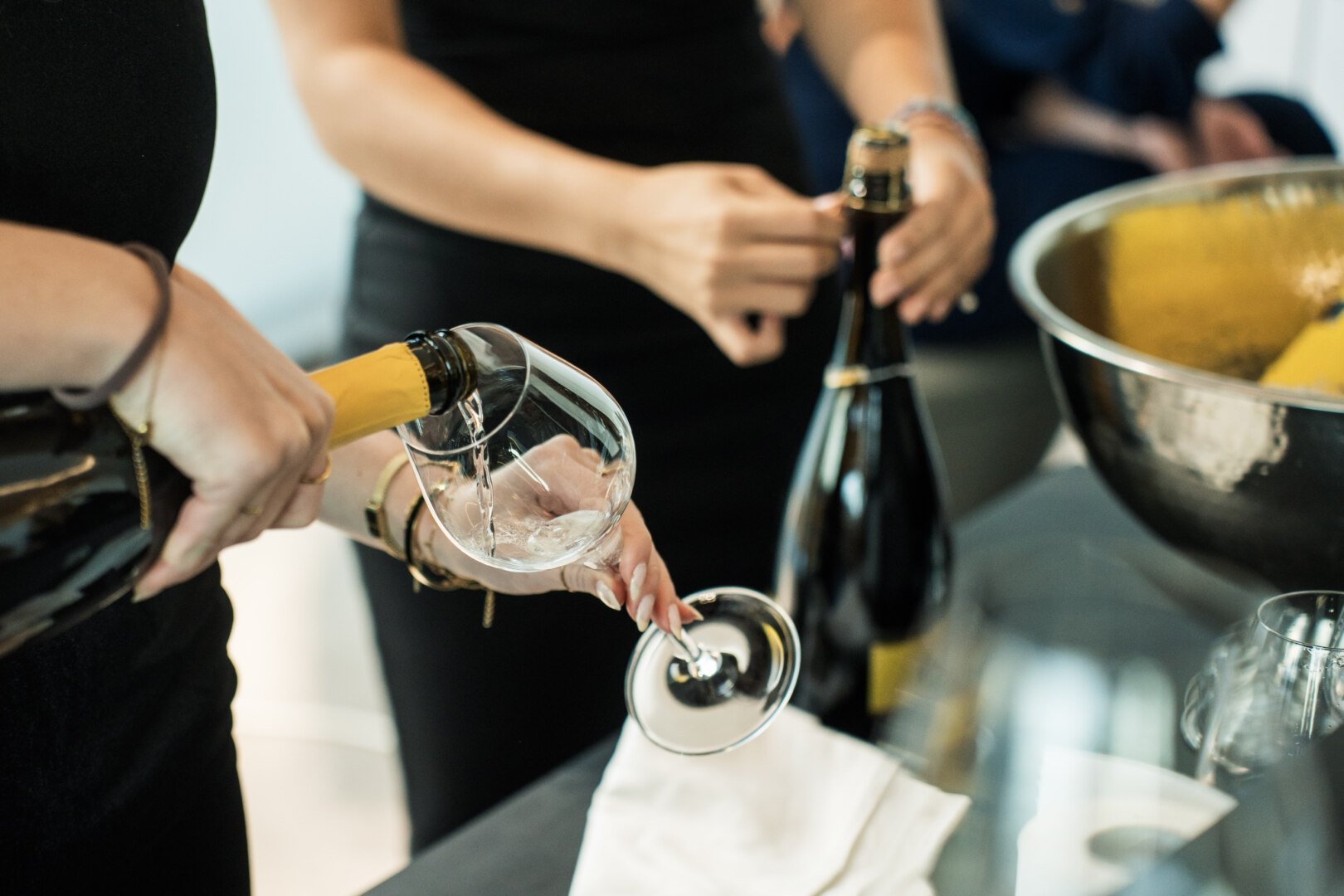
Festival guests were also able to discover the character of three different wine regions: Thomas Schwarz’s Kloster am Spitz Cuvée No. 1822 Brut Nature from Leithaberg, Mehofer Neudeggerhof Johann 2025 from the Wagram wine region, and Antonio Vallana’s 2024 Barbera from Piedmont.
A sweet finale, shared experiences, and the promise of more to come
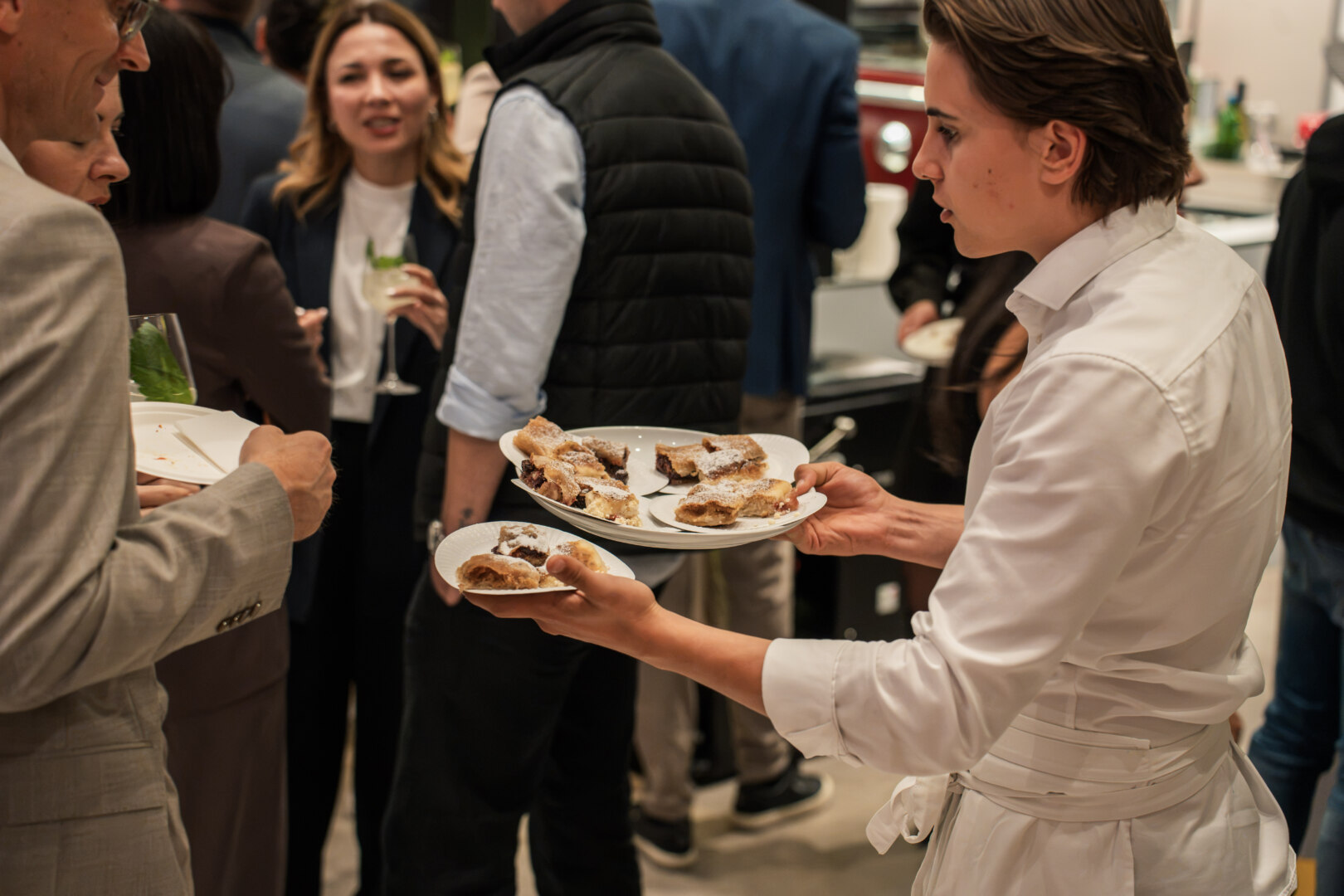
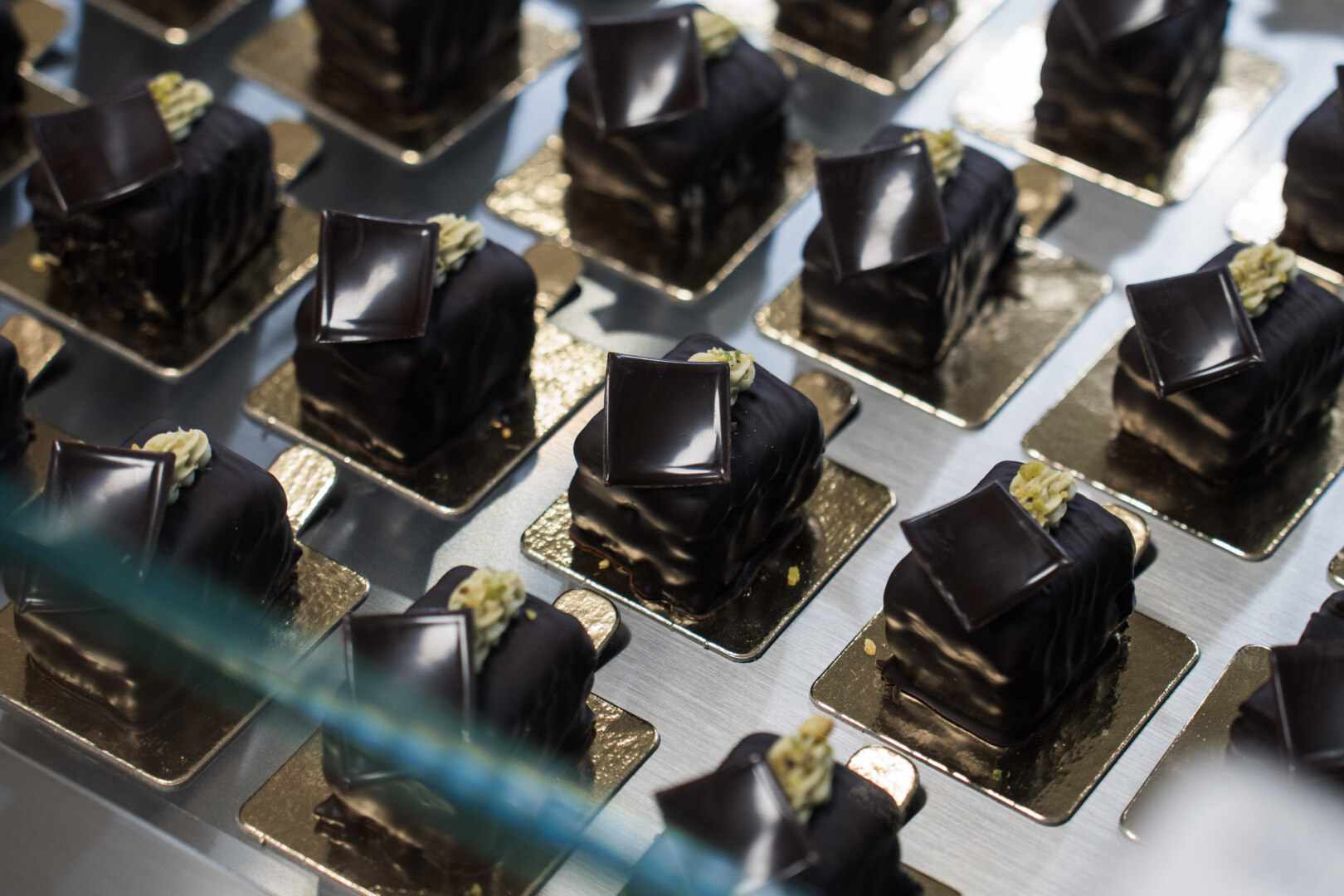
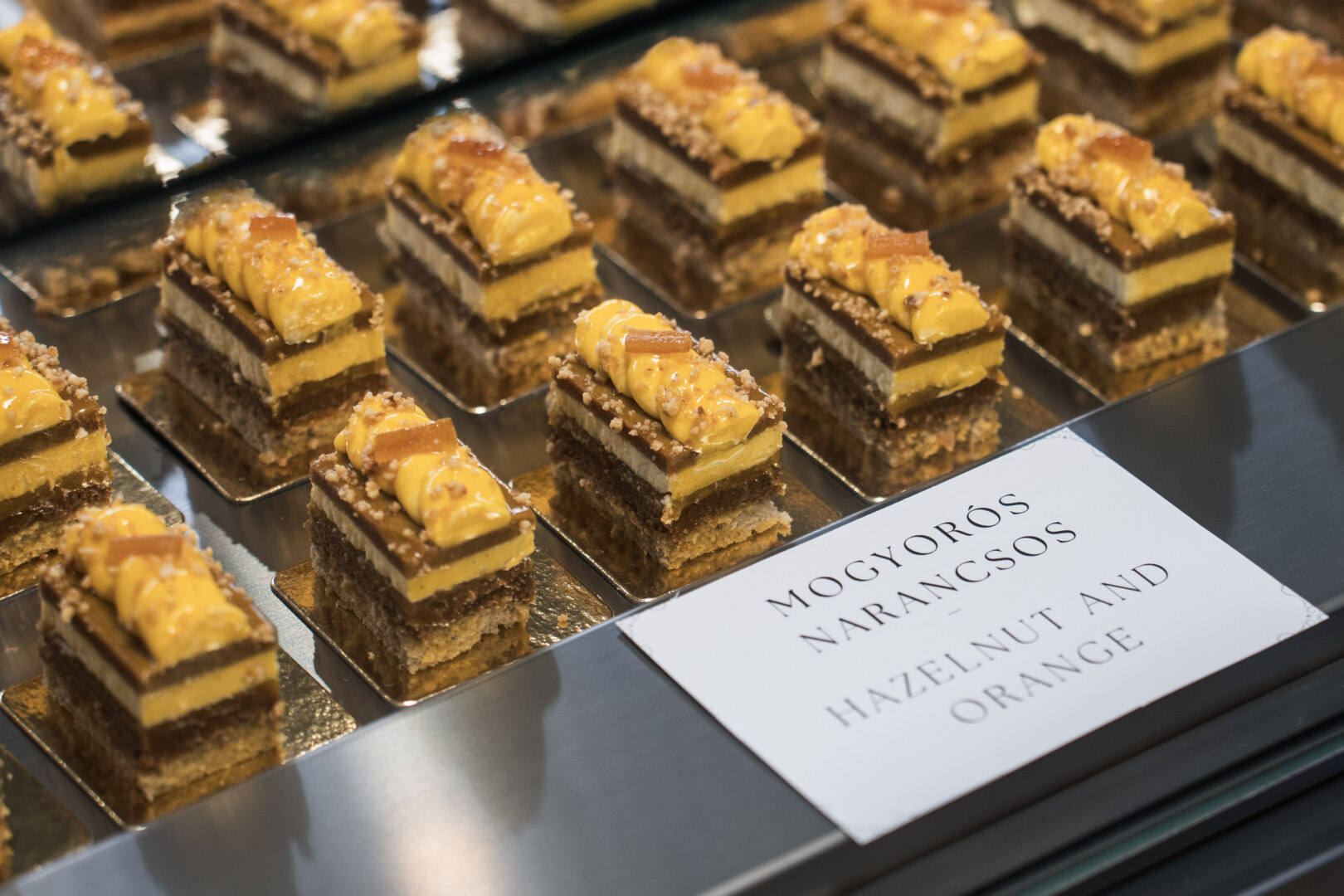
The evening was rounded off in style with desserts from Málna The Pastry Shop, courtesy of Zoltán Kolonics. However, the culinary delights were just one part of what made the first Coninvest Culinary Festival so memorable.
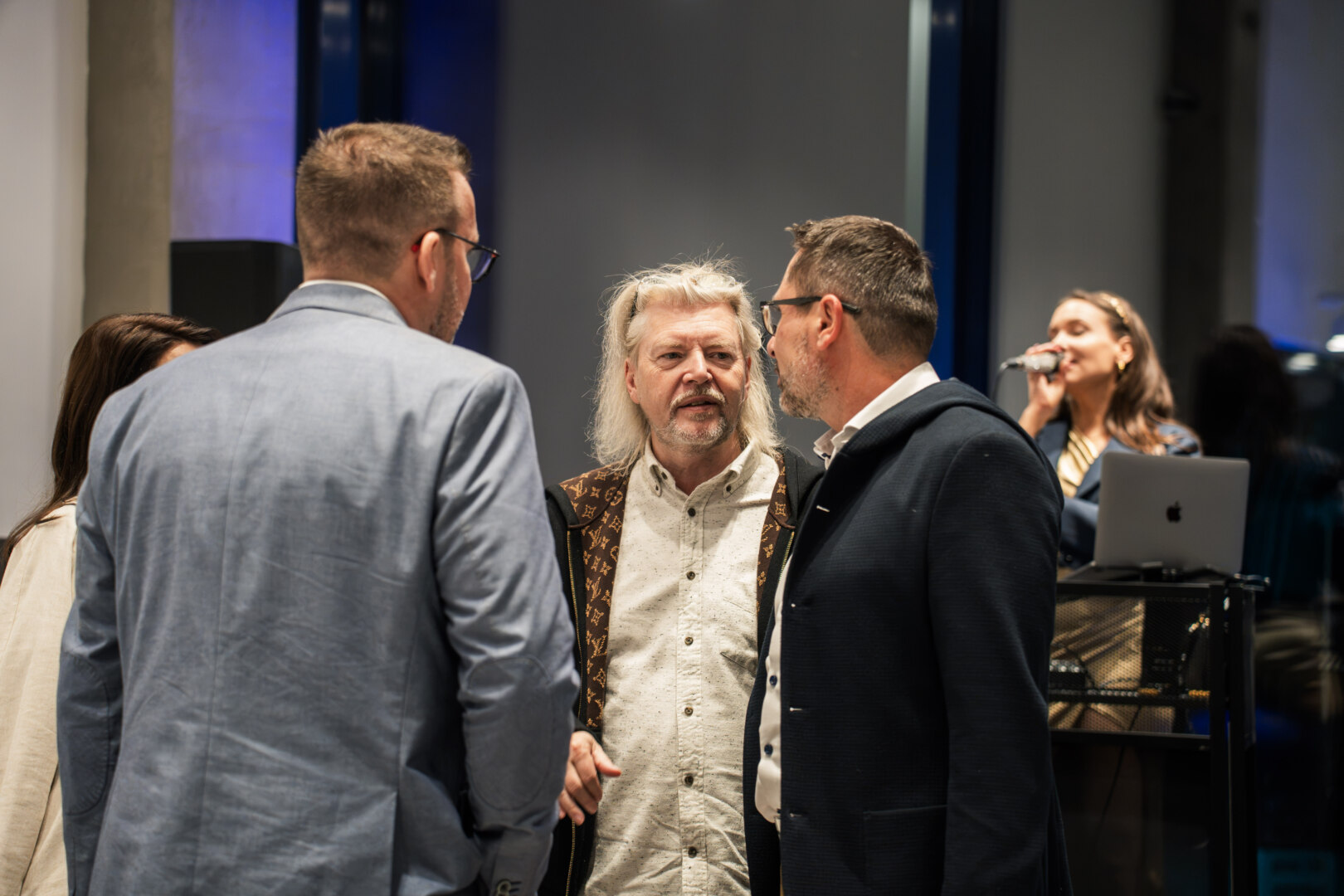
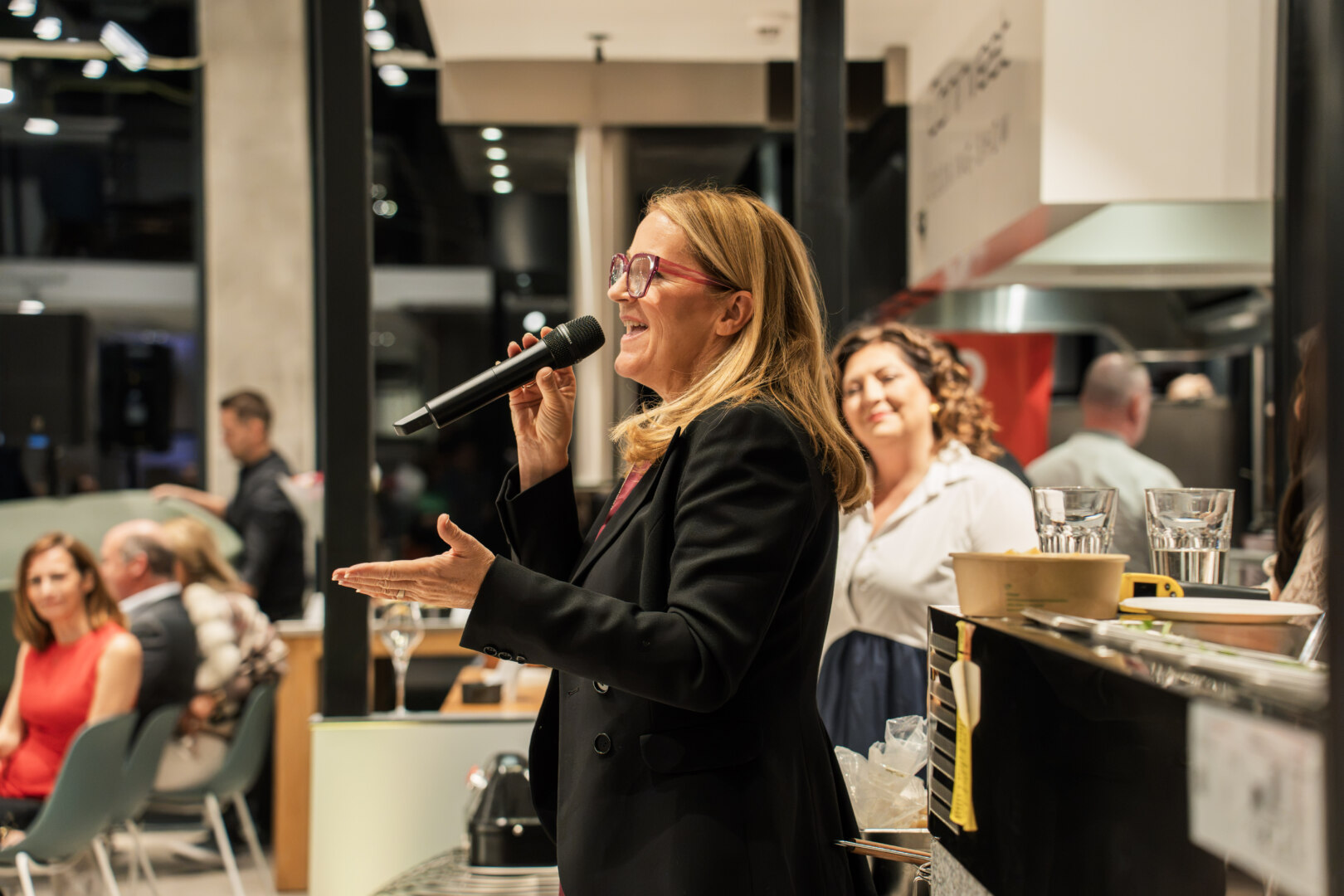
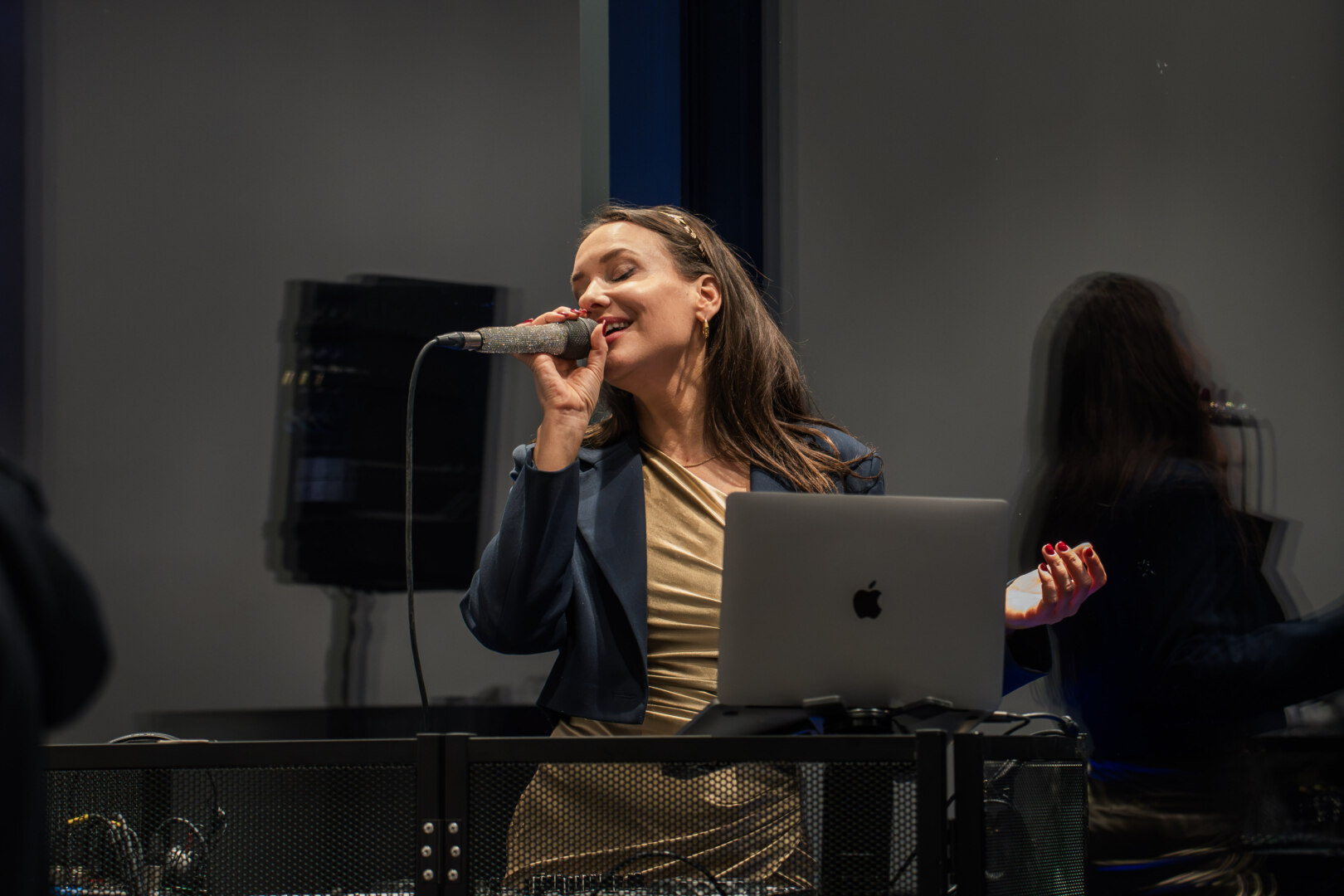
We would like to thank our five international manufacturing partners, the chefs, the professional teams and everyone involved for bringing the evening to life with their expertise, technology and creativity. And to our guests, for joining us, asking questions, tasting the dishes, chatting and being part of this new initiative.
Perhaps the most important lesson of the festival was that professional kitchen technology, high-quality ingredients and creative culinary expertise truly demonstrate their value when they come together. After all, good hospitality is not just about equipment and recipes, but about the people who create experiences day in, day out – and about the professional relationships that make this possible.
The first Coninvest Culinary Festival was an important milestone for us. We would like to thank our guests, our partners and the entire Coninvest team for helping us make this evening such a memorable occasion. We shared a common passion, and we are already looking forward to the next occasion!