The guest experience, changing expectations and the workings of modern kitchens at the Coninvest Culinary Festival round-table discussion
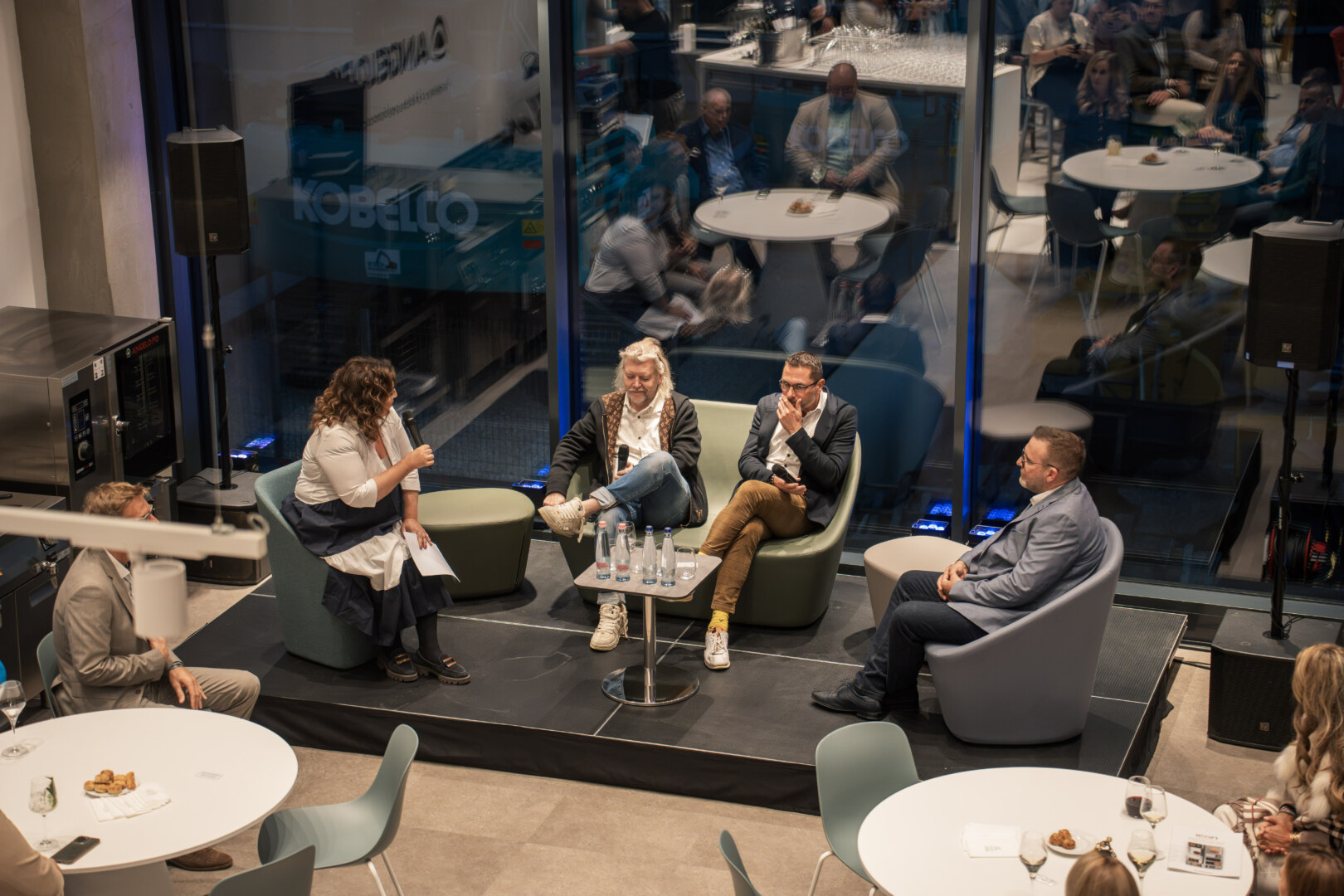
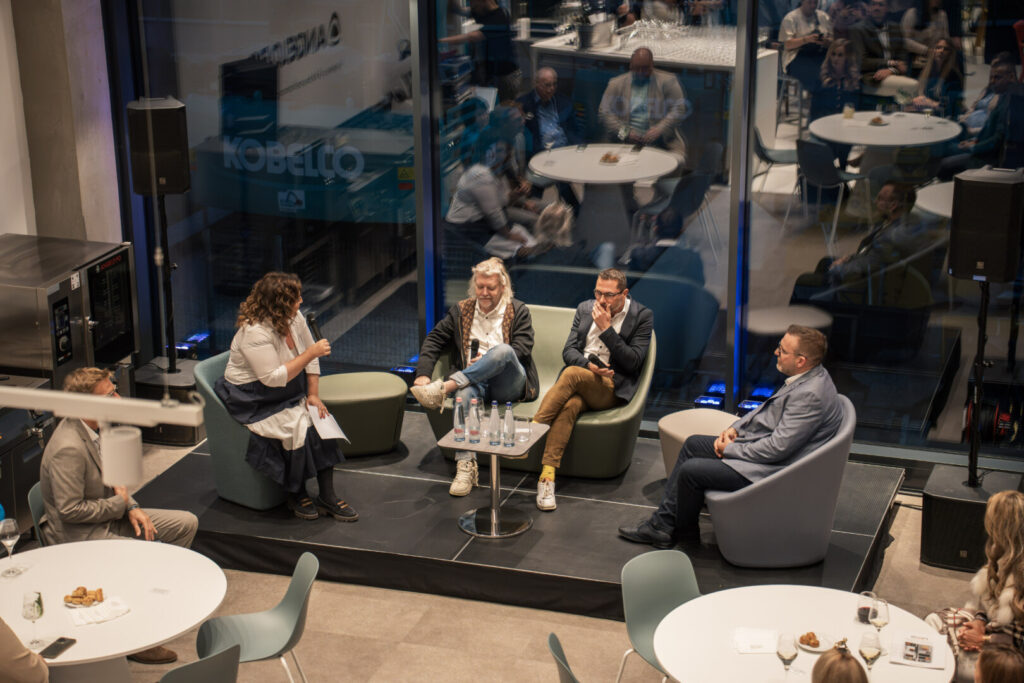
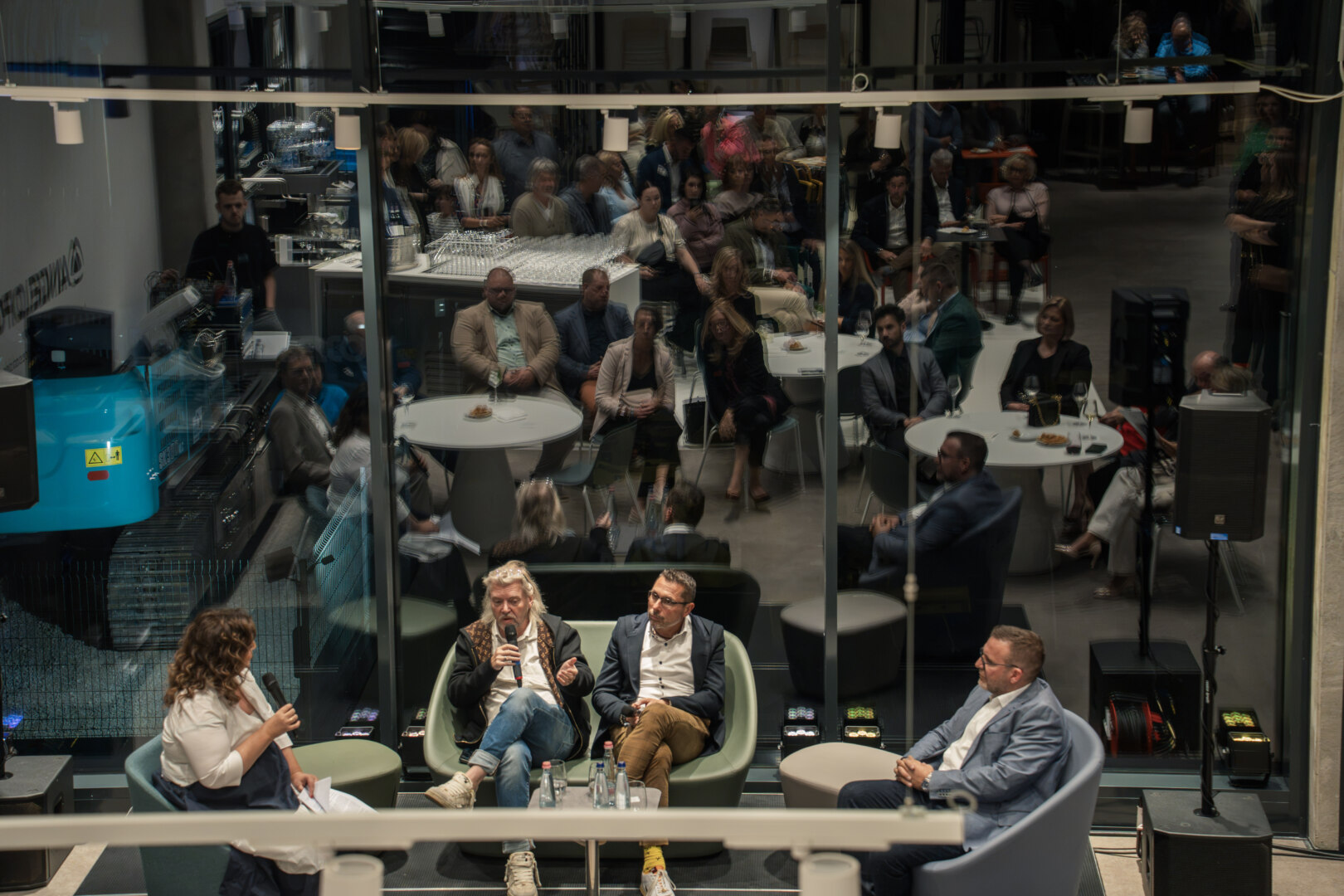
What makes a restaurant successful today? Is it the chef’s creative vision, the quality of the ingredients, the kitchen’s technological equipment, or how well the chef understands their guests? At the Coninvest Culinary Festival round-table discussion, moderated by Zsófi Mautner, Károly Gerendai, Rudolf Semsei and Dr Patrik Horváth discussed changes in gastronomy and the role of modern kitchens, drawing on their experiences of various restaurant operating models.
Fine dining is not necessarily over. But it cannot function without guests.
Károly Gerendai’s train of thought set the tone for the discussion on the state of fine dining. The restaurant world has changed significantly in recent years, and whilst the range of options has expanded, the audience remains limited. It is therefore not enough for a restaurant to start from its own professional vision: it must also understand who it wishes to appeal to, and why guests would choose it in particular.
This does not necessarily mean giving up professional ambitions. Rather, it means recognising that there must be a connection between the chef’s vision, the restaurant’s concept and the guests’ expectations. High standards alone do not guarantee that the experience will be meaningful and appealing to the guest.
Rudolf Semsei approached the issue from a different angle. In the hospitality sector he represents, it has always been a key consideration how to provide an enjoyable experience for as many people as possible. They do not focus exclusively on a narrow audience open to specialised gastronomic experiences, but also consider how a good restaurant experience can be made accessible to a wider audience.
These two approaches are not necessarily at odds with one another. Different audiences, different concepts and different business models require different kinds of decisions. The key is for the restaurant to be clear about who it is catering for, what kind of experience it promises, and how consistently it can deliver on that promise.
The role of the guest also came to the fore in Gerendai’s reflection: restaurant operations cannot be based solely on what the owner or chef considers important. Guest feedback, their needs and their overall experience at the restaurant are just as much a part of how a venue creates and retains its own clientele.
Different guests, different expectations: a restaurant in a tourist destination
Dr Patrik Horváth, owner of Abigél Bistro, brought his experiences of a different operational context to the discussion. Abigél operates in a destination frequented by tourists, where both the clientele and the expectations regarding the restaurant present their own specific considerations.
In a location like this, it is particularly important to understand what kind of experience the guest is looking for, what expectations they arrive with, and what factors influence their choice. Here, too, the guest experience is not limited to the food: the service, the surroundings and the overall running of the restaurant all combine to shape the impression the guest takes away with them.
Therefore, different restaurant models do not necessarily follow the same formula. Rather, the concept, the target audience and day-to-day operations must be aligned with one another.
Technology is no longer the only distinguishing factor
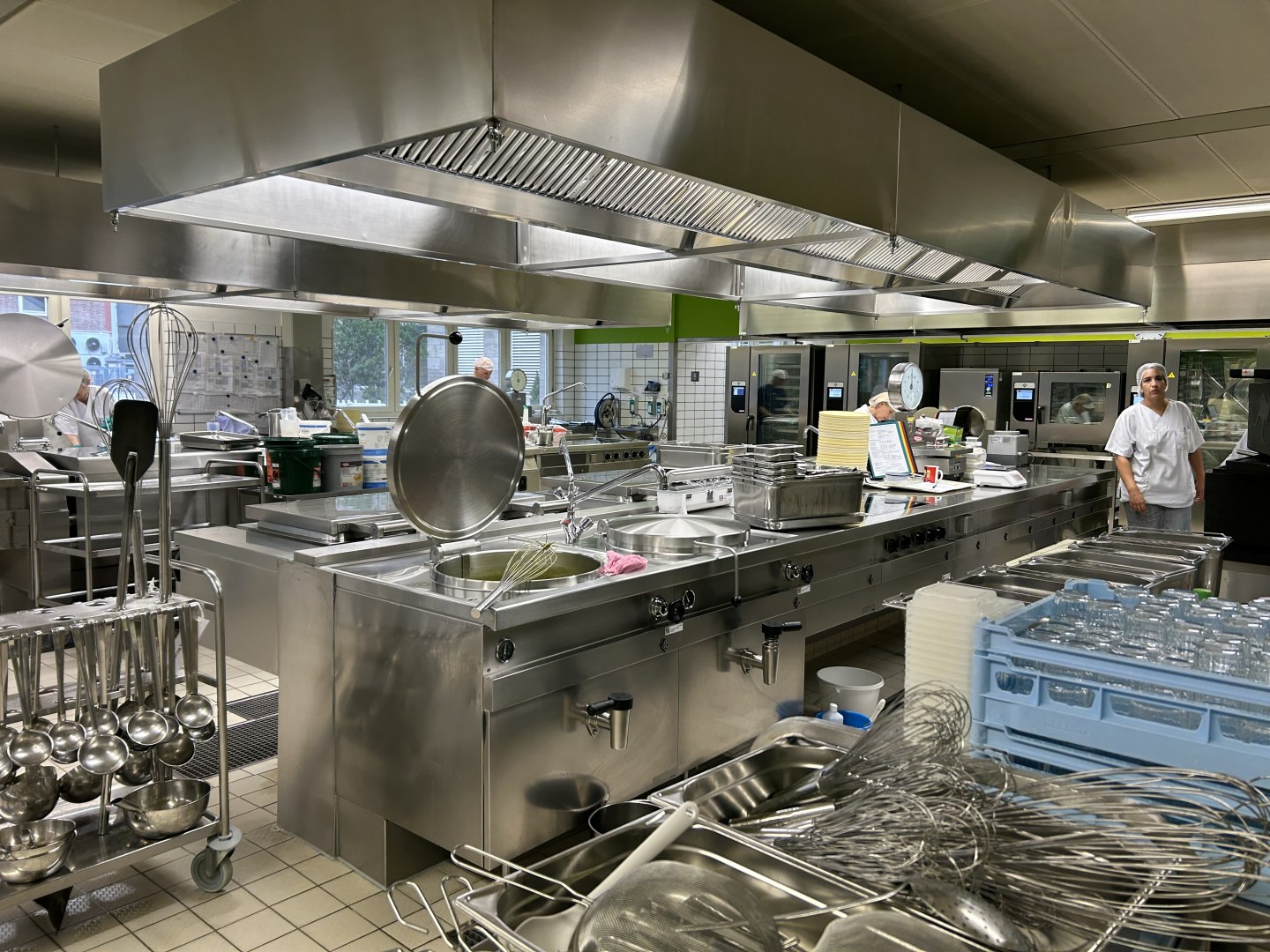
The discussion also touched on how modern kitchens operate. As a result of technological advances and access to higher-quality ingredients, it is becoming less and less a given that a restaurant’s category is determined solely by its kitchen facilities or the quality of its ingredients.
Even a bistro can work with excellent ingredients, and the kitchen may well be equipped with state-of-the-art technology. The difference, therefore, cannot simply be attributed to the equipment or the ingredients. What matters far more is how the restaurant uses these resources, the concept behind its operations, and the experience it aims to provide.
Technology is, of course, important, but it cannot, on its own, solve a restaurant’s operational problems. The investment must address a genuine need: it can improve workflows, help maintain consistent quality, or increase the kitchen’s capacity. The question is not merely what a piece of equipment can do, but also whether it is actually needed and how it fits into the overall operation.
A good kitchen is not just a collection of machines
When designing a modern kitchen, the people working there must not be overlooked either. Technology, work processes, layout and ergonomics are all interlinked. A well-designed kitchen must not only support food preparation but also make day-to-day work more efficient and predictable.
This is particularly important in an environment where capacity, time and labour are all key factors. New equipment represents a genuine step forward not simply because it is a technological innovation in its own right, but because it fits in sensibly with the kitchen’s operations.
For Coninvest, this approach is key to both kitchen design and the selection of technological solutions: equipment should be considered not in isolation, but as part of the restaurant’s overall operations.
There is no one-size-fits-all answer for every restaurant
One key lesson from the round-table discussion is that there is no universal formula for either the guest experience or technology that applies to every restaurant. A fine-dining restaurant operates differently from an eatery catering to a broader audience, and from a restaurant in a tourist destination. The common thread is that decisions must align with the concept, guests’ expectations and the realities of business operations.
Technology is only of value if it helps with the work. Quality only becomes a restaurant’s strength if it is perceptible to the guest. And for a business to run successfully, it is not enough simply to cook well or build a state-of-the-art kitchen: one must also know exactly what sort of place one wants to create, and for whom.