One of Budapest’s most famous historic buildings, the Klotild Palace, has entered a new chapter. The St. Regis Budapest has opened, setting a new standard not only in the world of luxury hotels but also representing an extremely complex project from both a culinary and operational standpoint. The building on Ferenciek Square previously housed the Buddha-Bar Hotel Budapest, but in recent years it has undergone a complete structural and interior renovation. Behind the scenes, a multi-year development process involving international players was underway. Coninvest was one of the key players in this process.
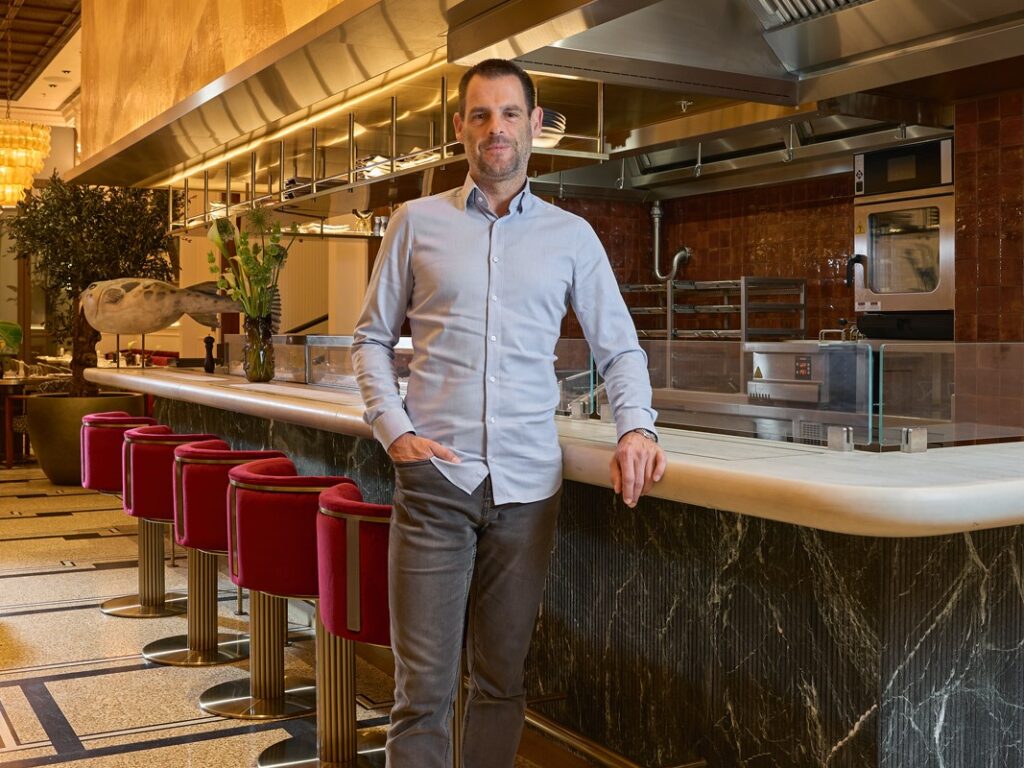
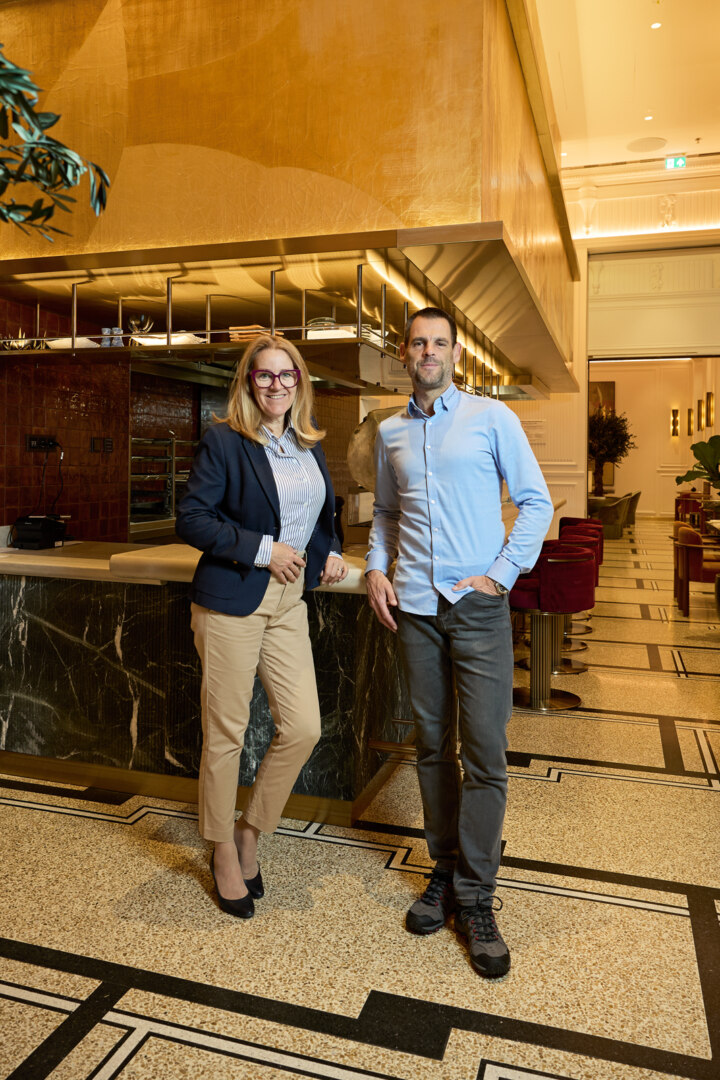
We spoke with Coninvest’s lead planner, Ákos Rácz, about the kitchen technology design and implementation for the project.
A project that began in 2019 and has since taken a completely new direction
“We started working on this building in 2019, when the project was still operating under a completely different ownership and conceptual framework,” Ákos explains.
The original plan was initially more of a partial renovation, but over the years it became clear that the building and its back-of-house operations needed to be completely reimagined. The former Buddha-Bar location was eventually taken over by the Marriott luxury brand, St. Regis, which brought entirely new international standards and expectations to the project. Under the DVM Group’s execution, the building was practically completely gutted, and then the interior spaces, mechanical systems, transportation systems, and the entire hospitality infrastructure were reorganized.
“In the end, practically everything was new: the rooms, the floors, the circulation, the back-of-house operations, and, of course, the entire kitchen technology.”
Five distinct F&B concepts in a historic building
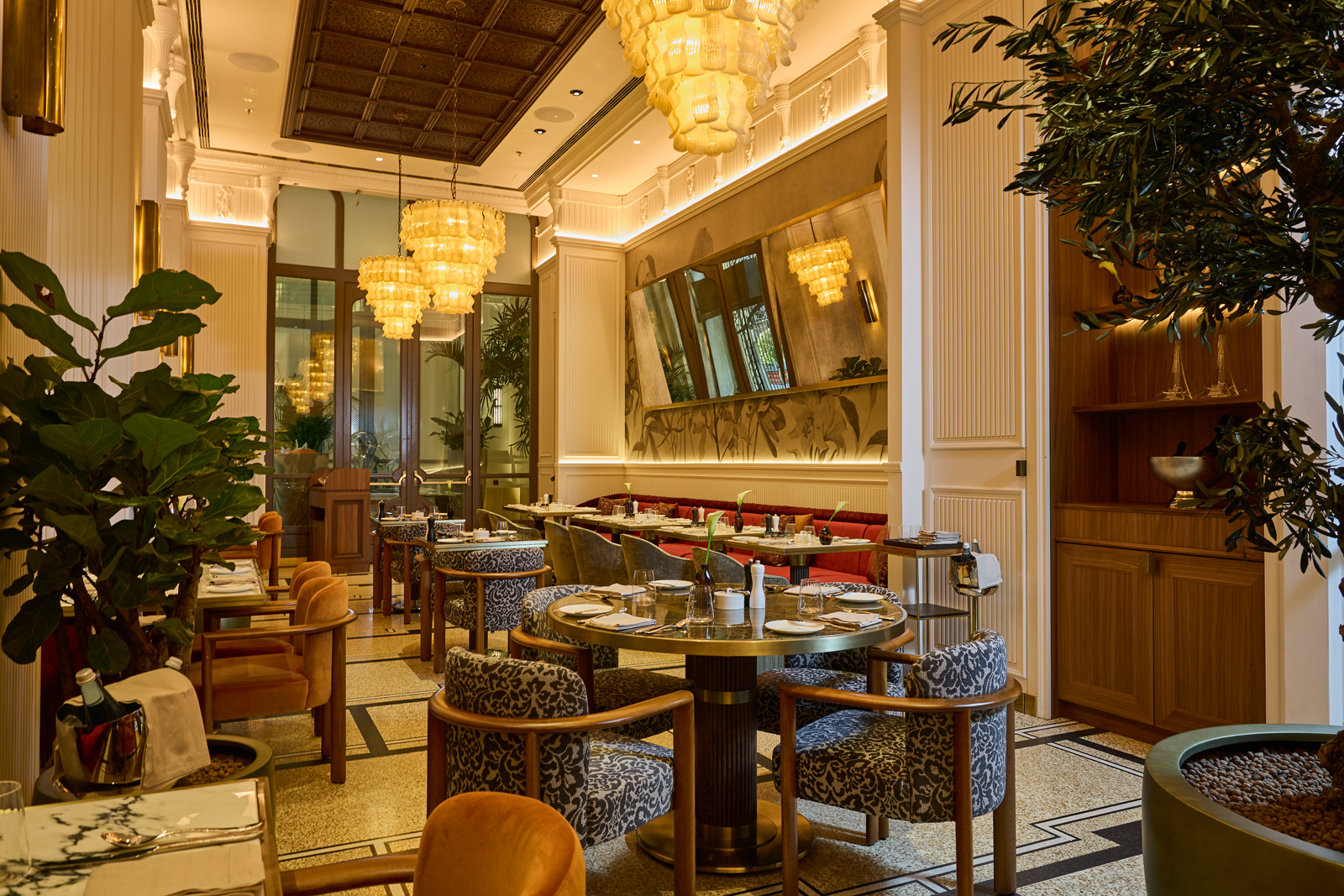
What makes the St. Regis Budapest unique is that the hotel operates five different dining concepts simultaneously, each requiring distinct technological and operational approaches.
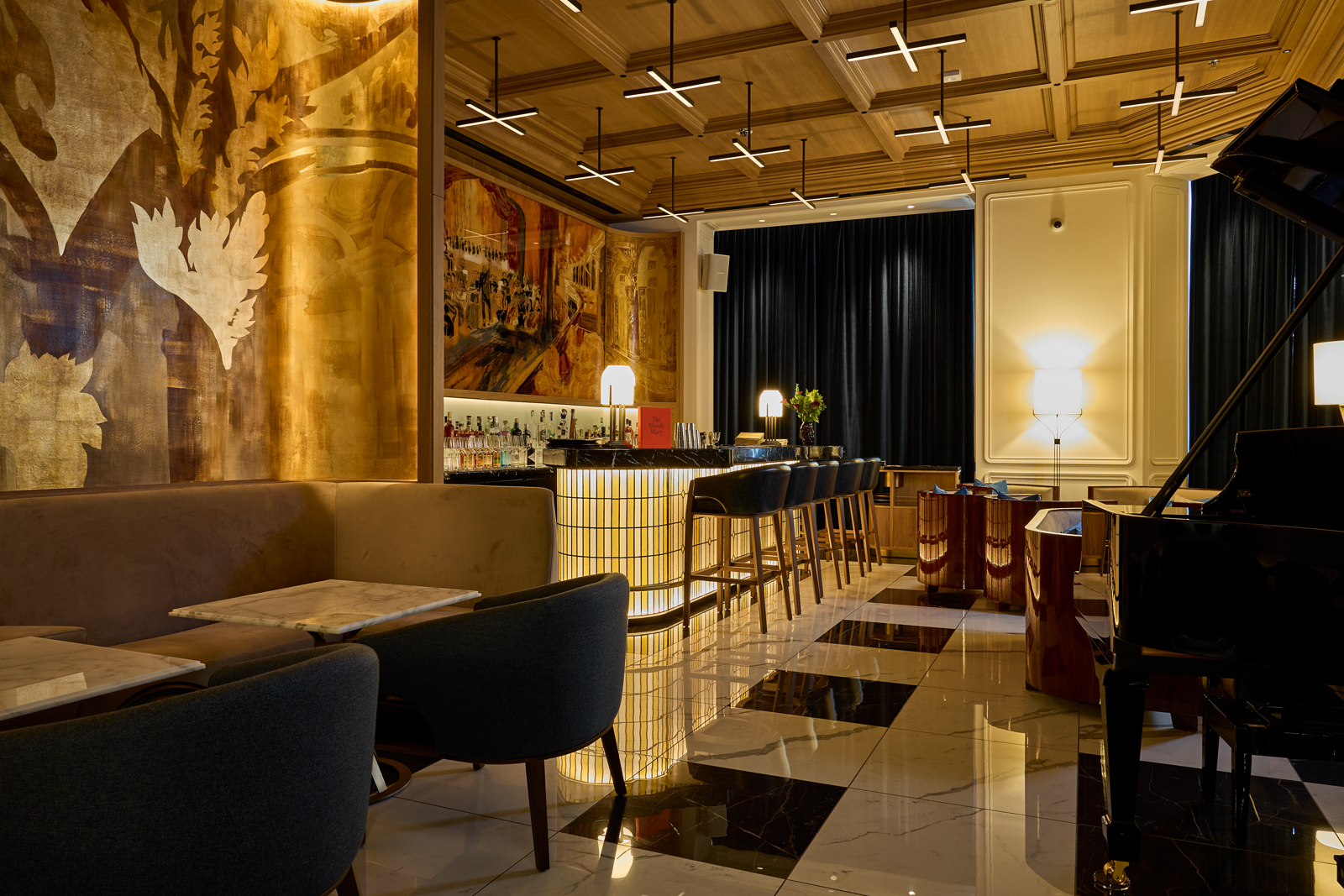
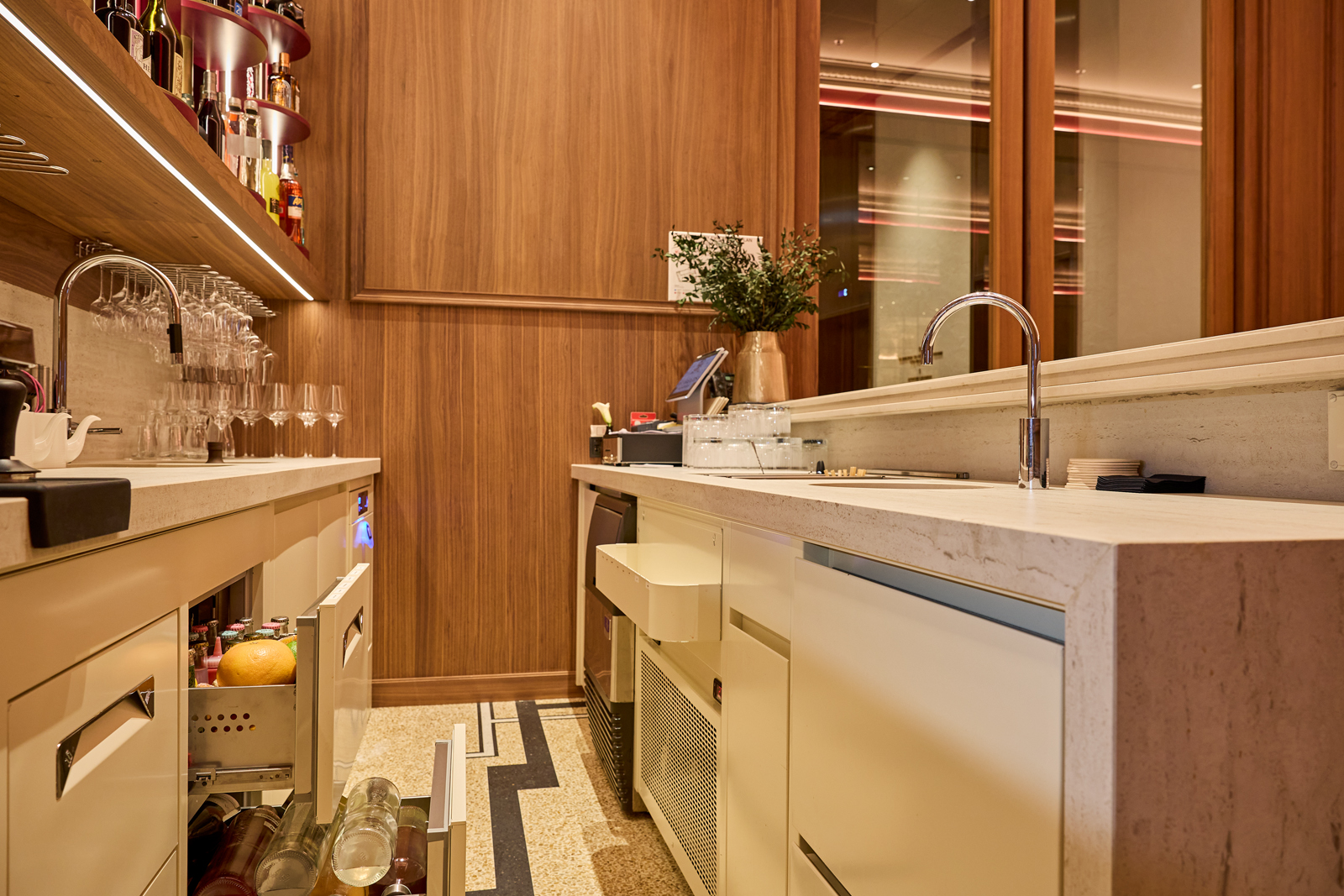
The project includes the St. Regis Bar, the conference and banquet center, the all-day dining restaurant, the lobby bar, and the pastry shop and café converted from a historic pharmacy. Each unit has its own operating system, different service requirements, and unique technological challenges.
The St. Regis Bar and the legacy of the Bloody Mary
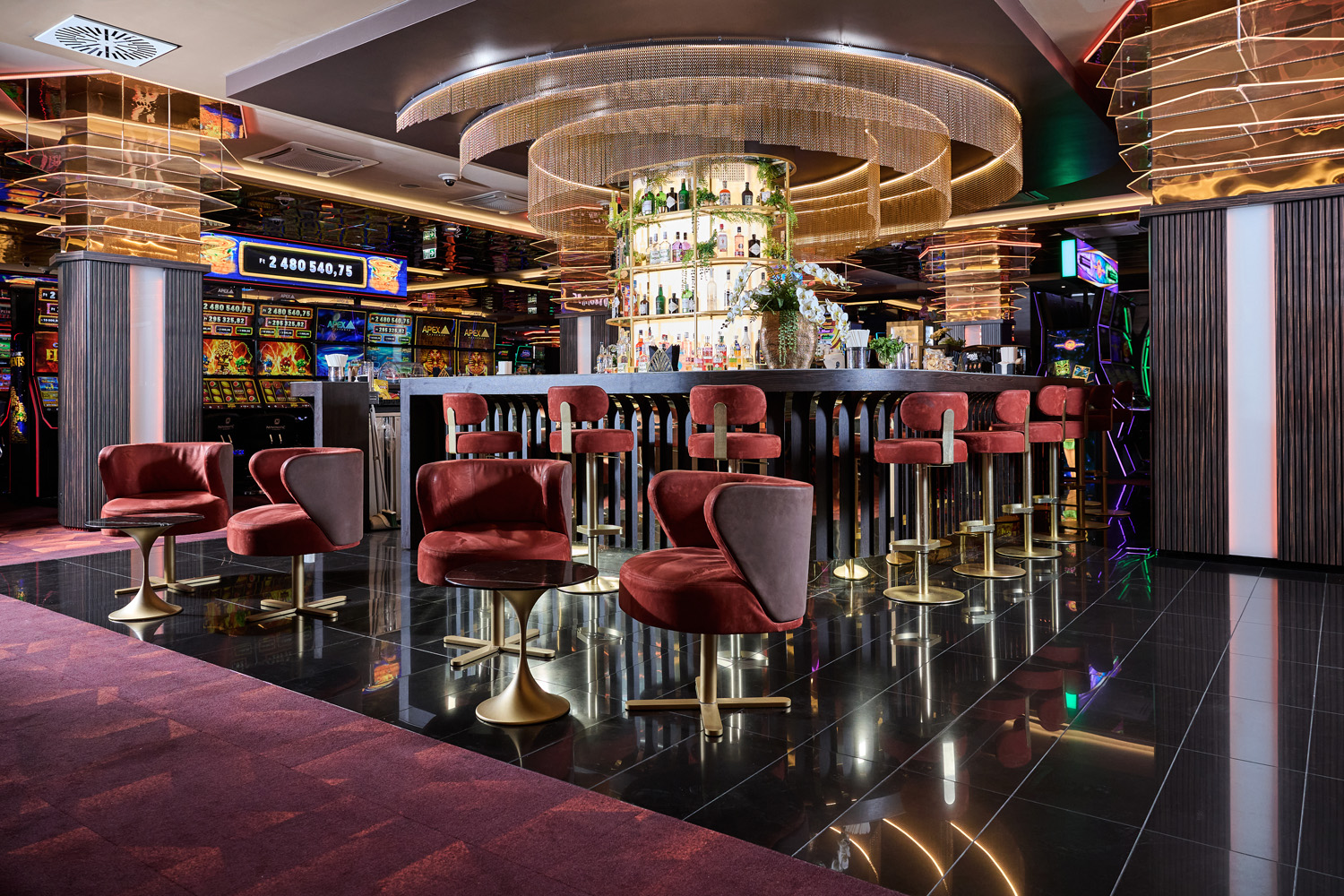
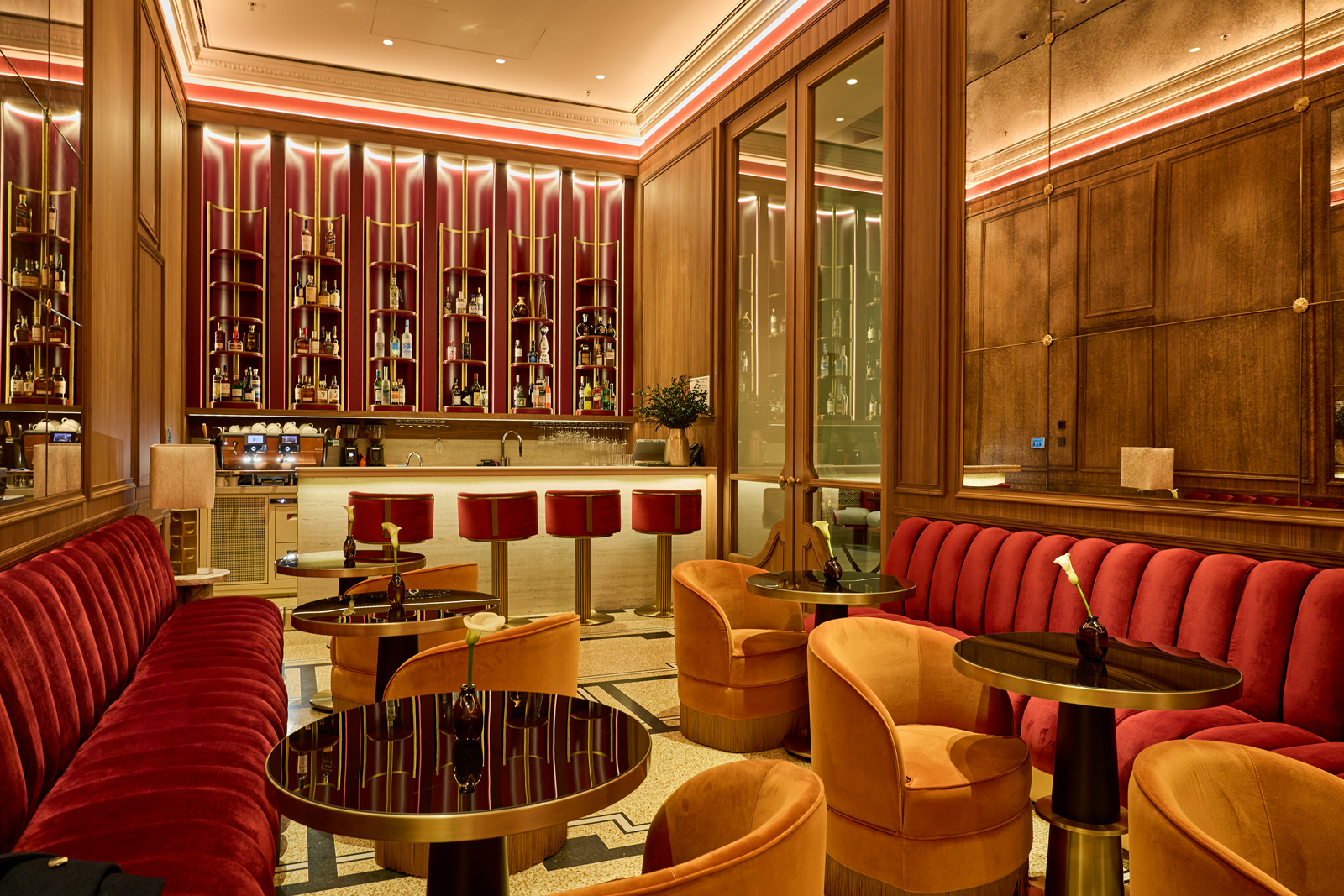
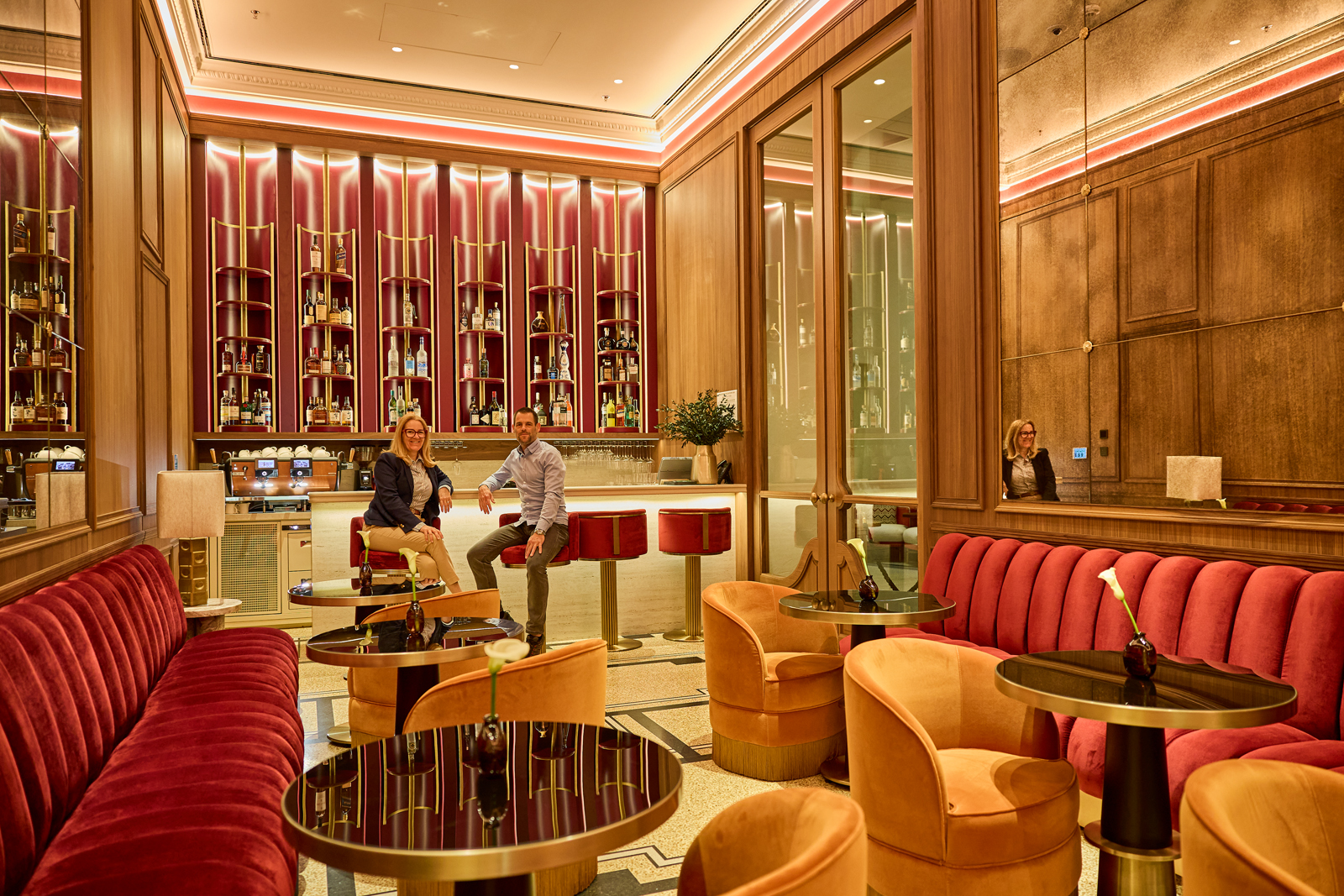
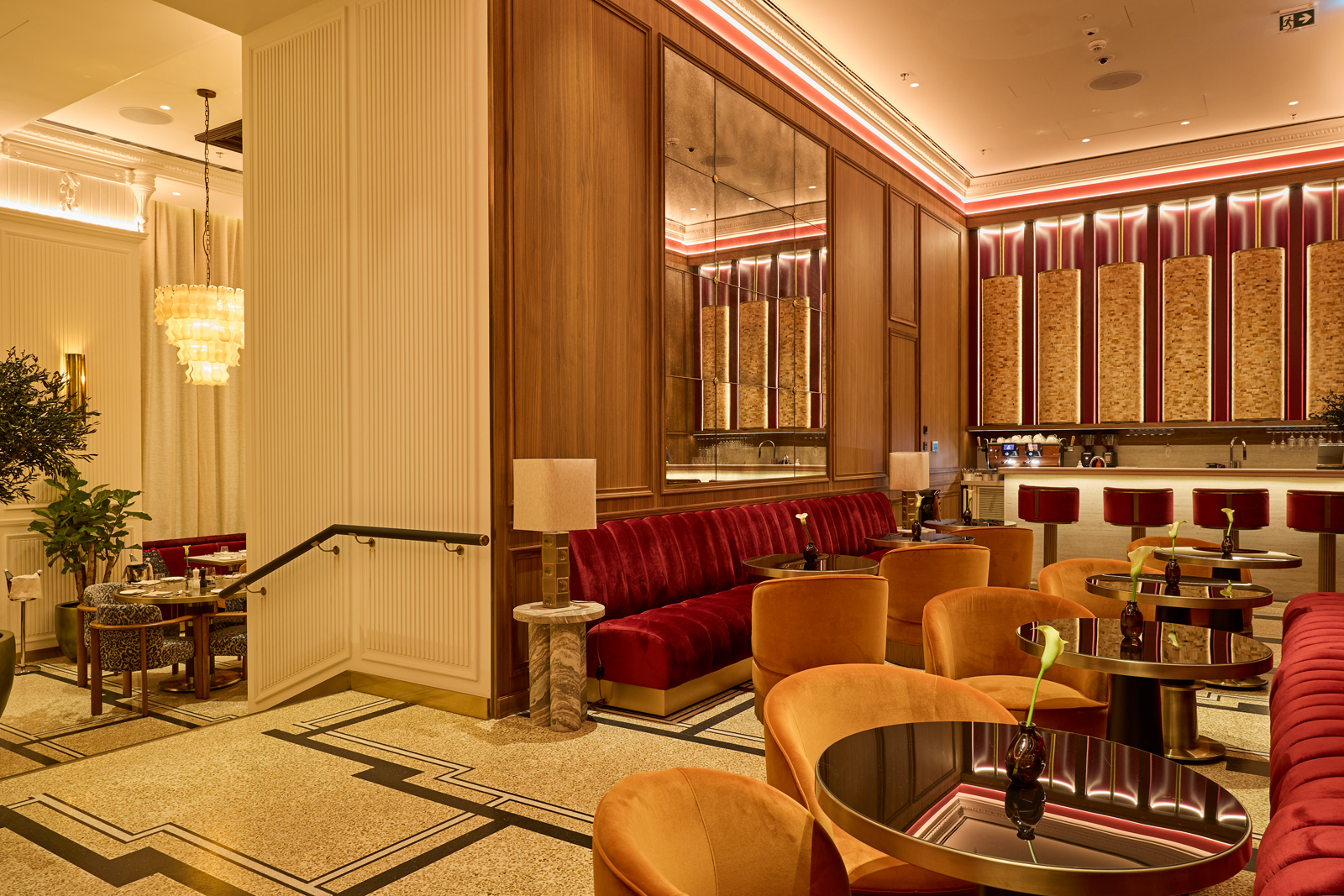
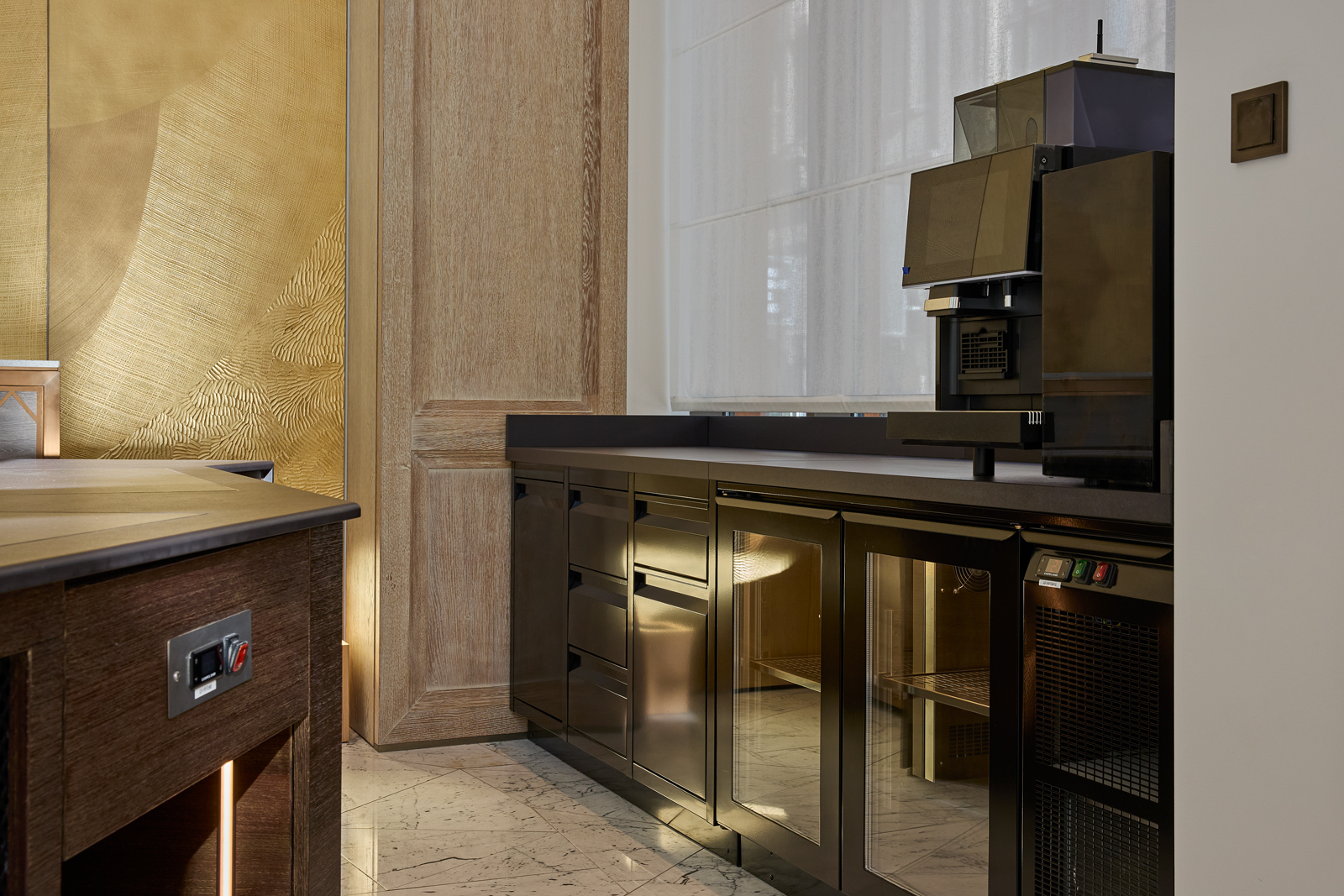
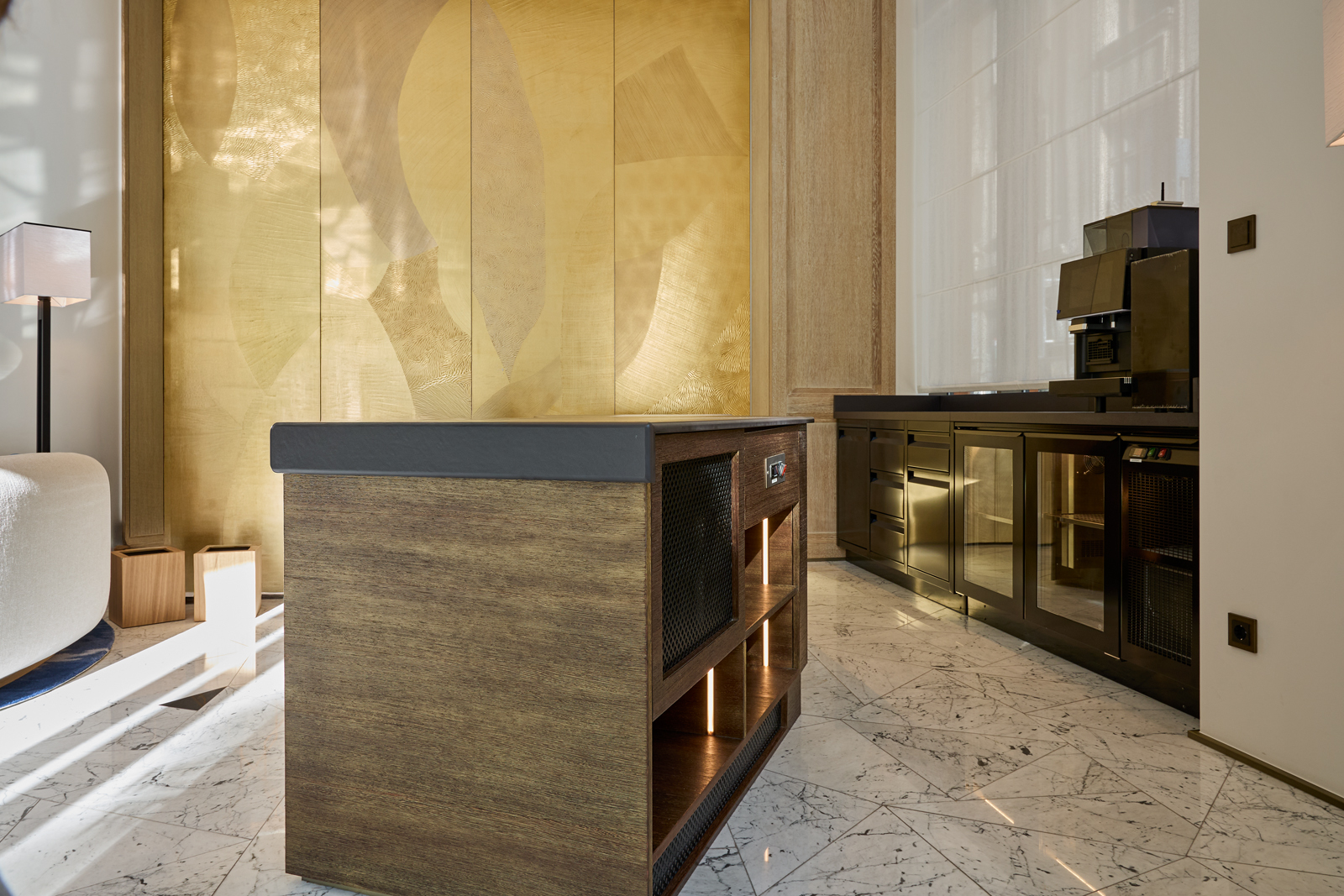
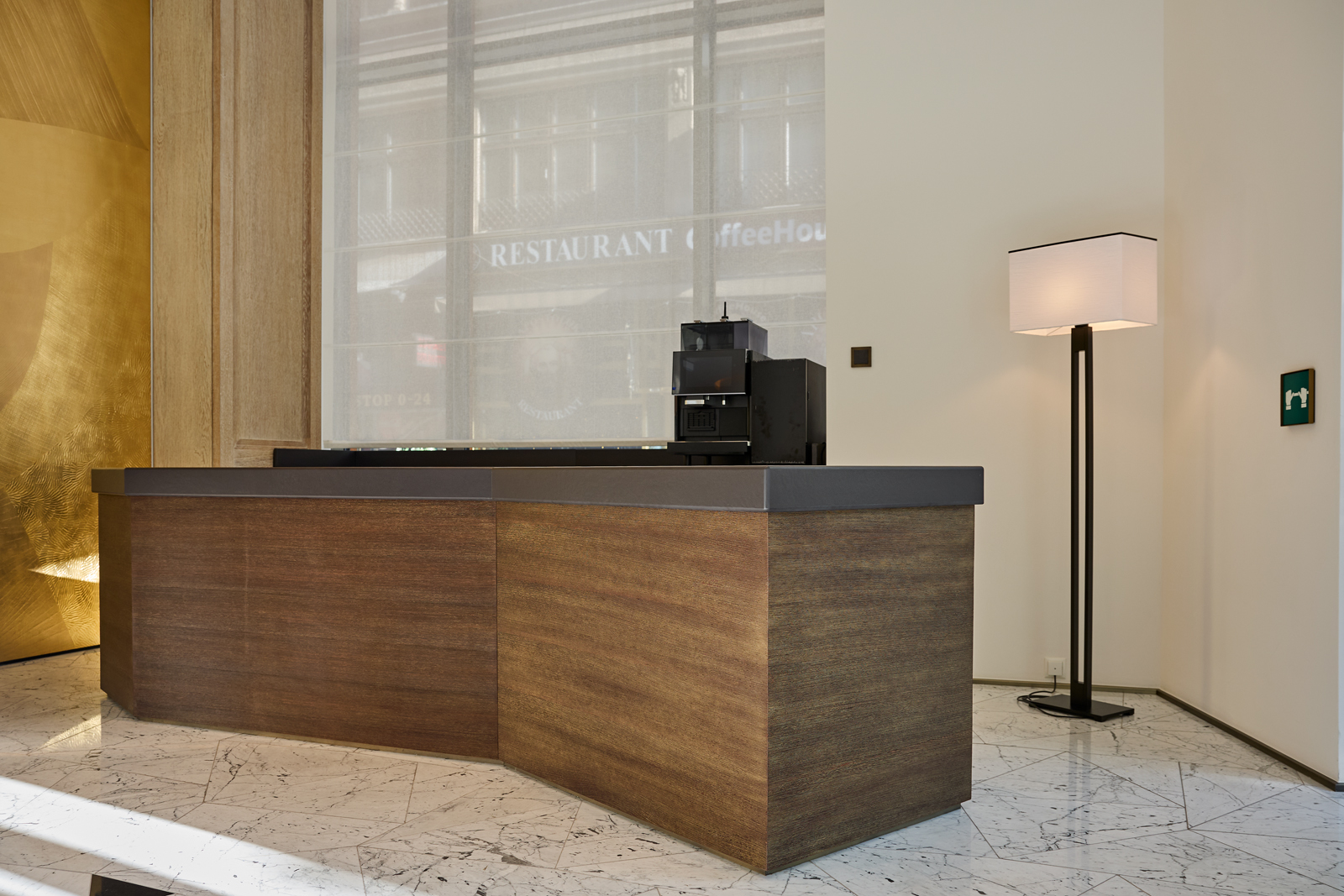
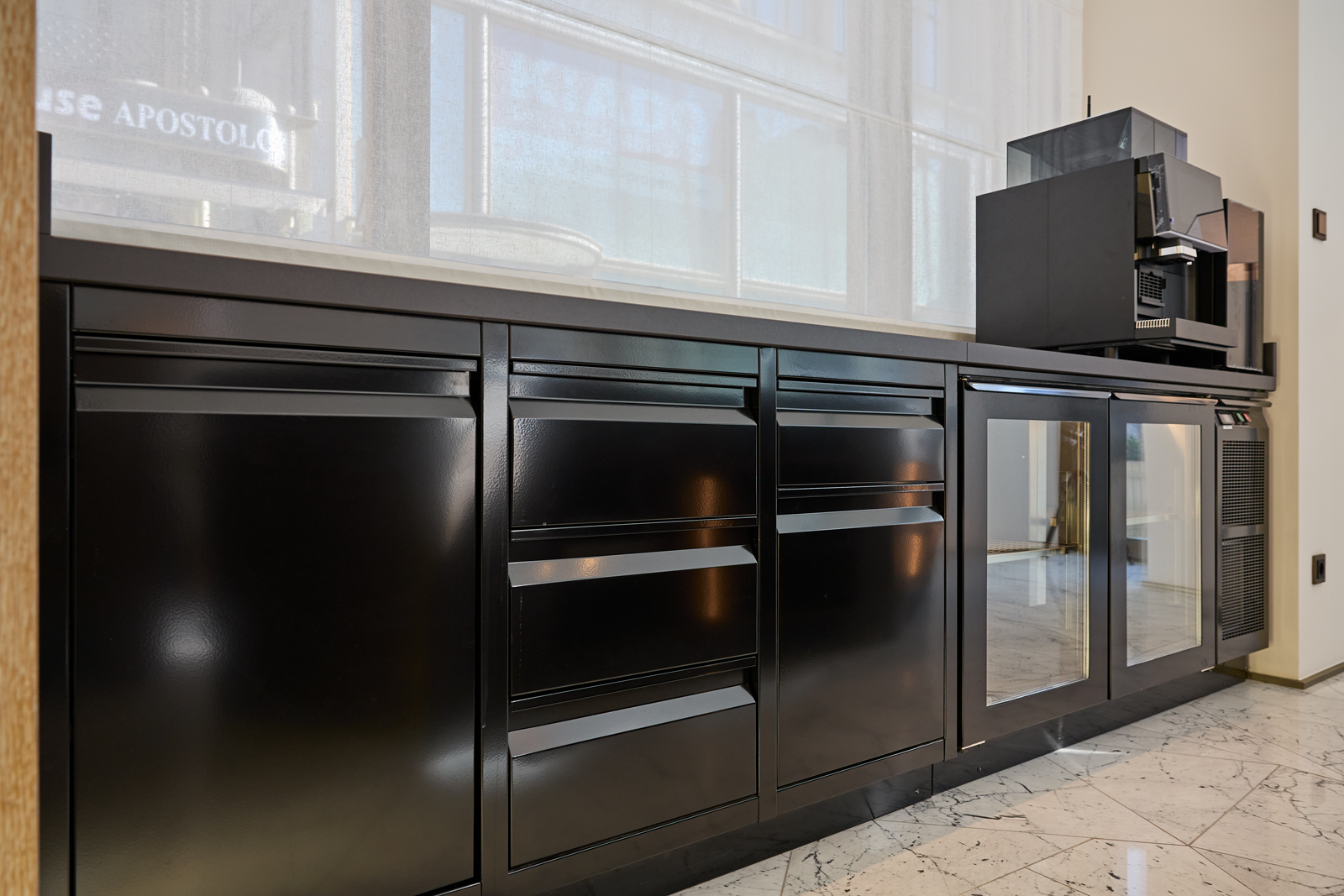
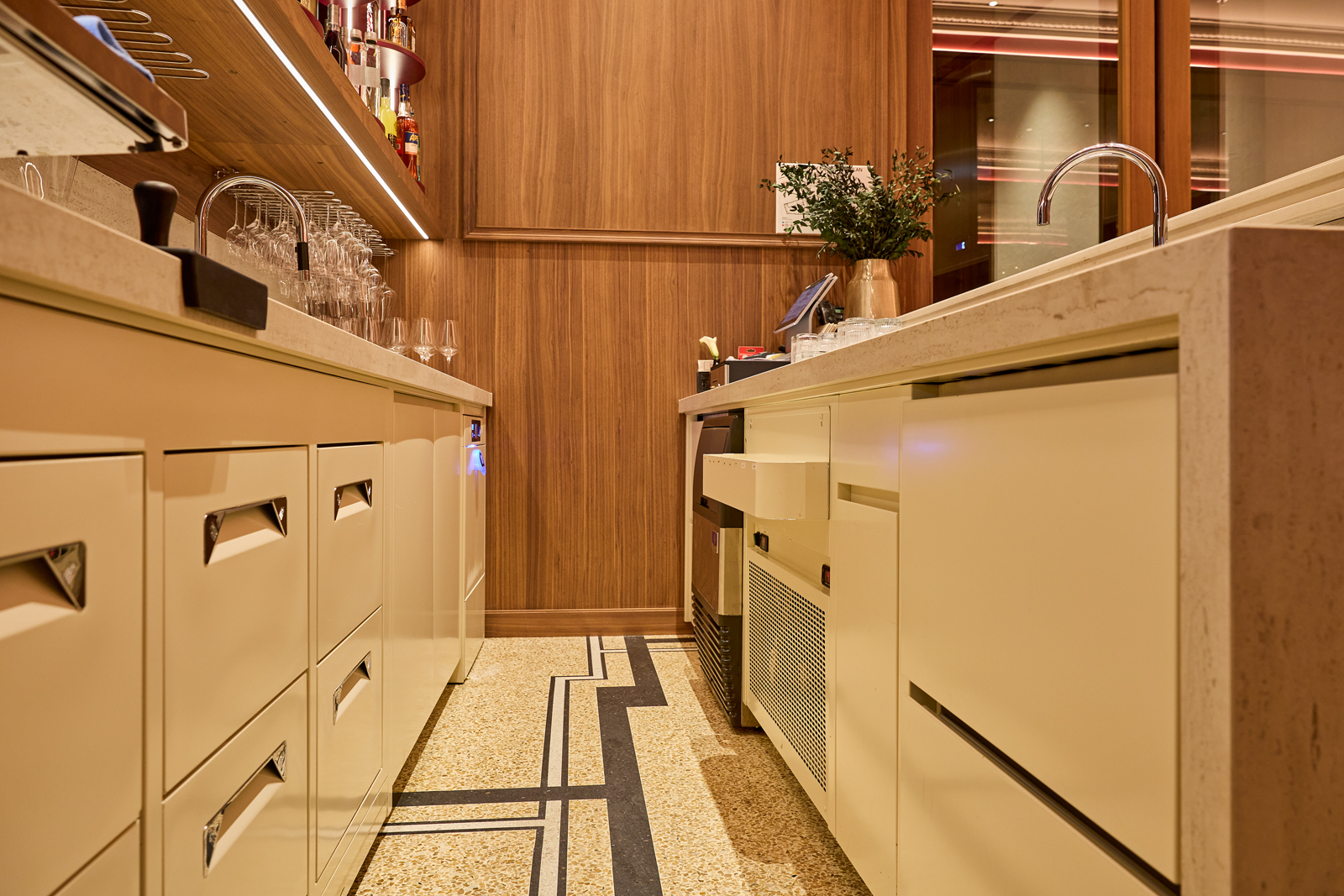
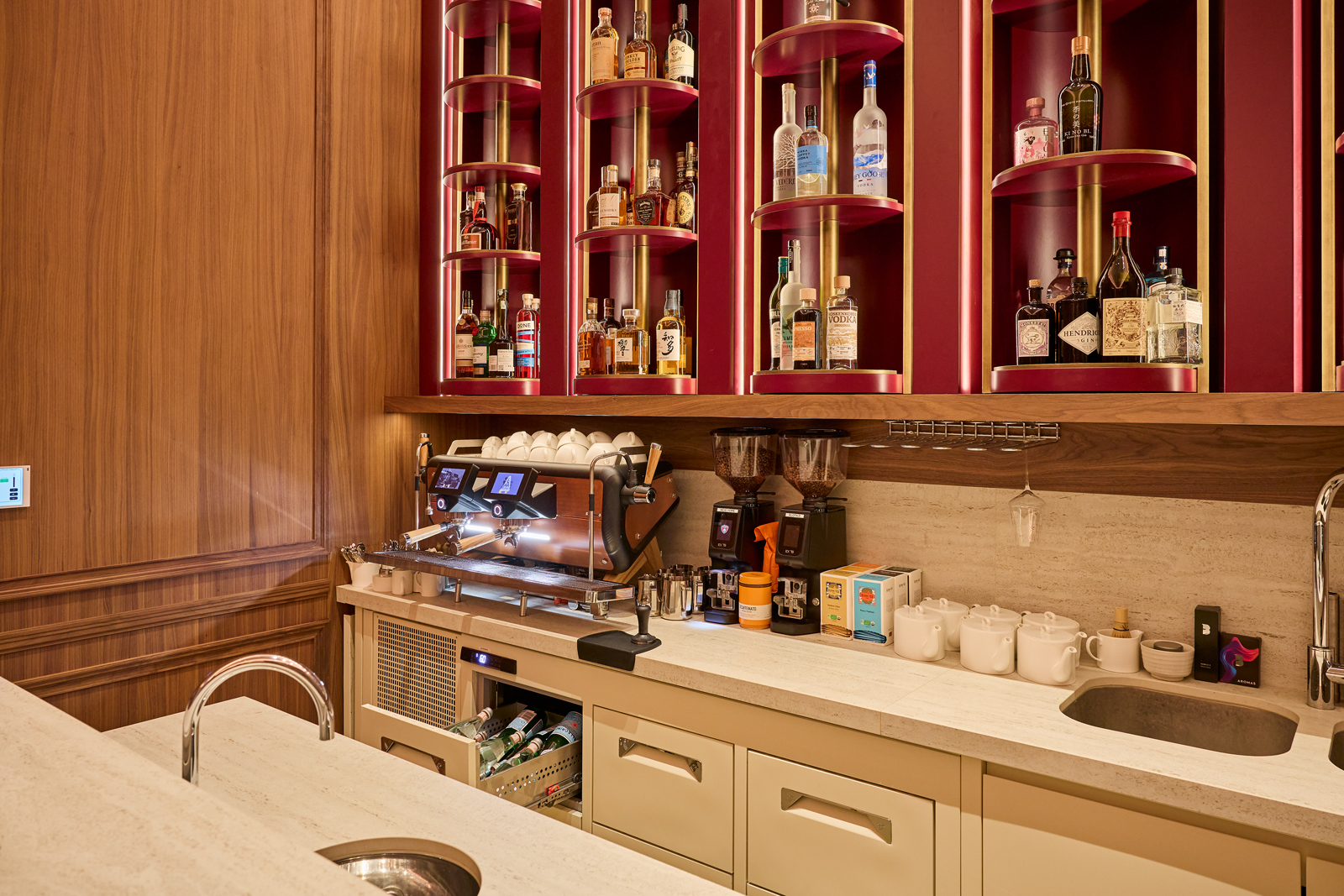
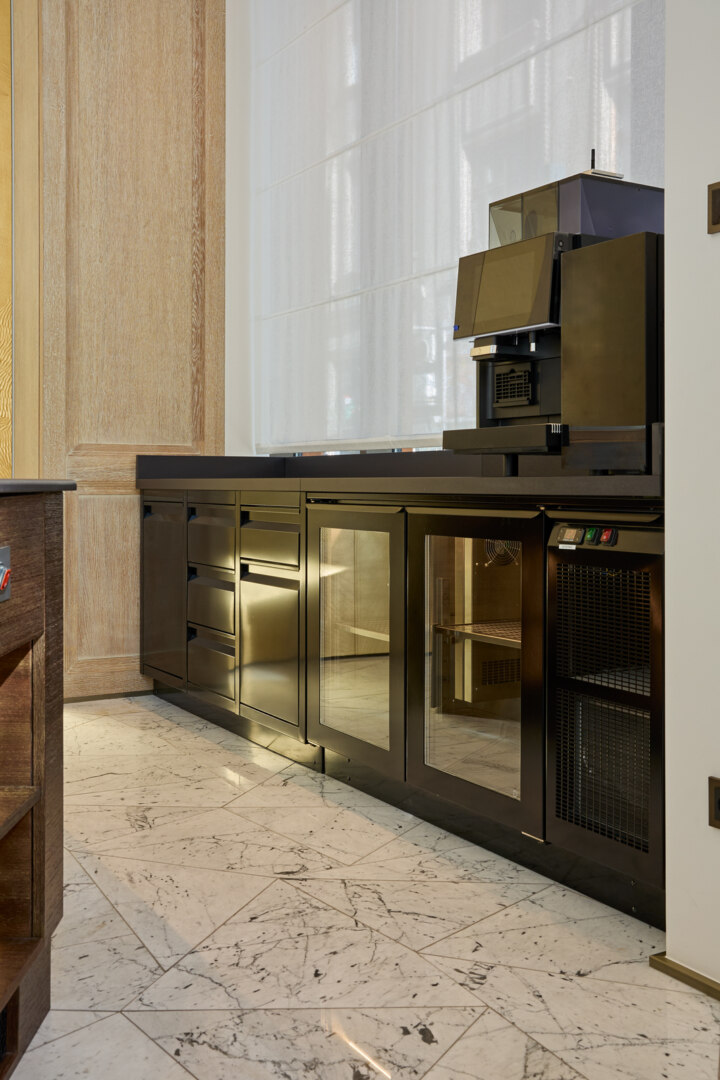
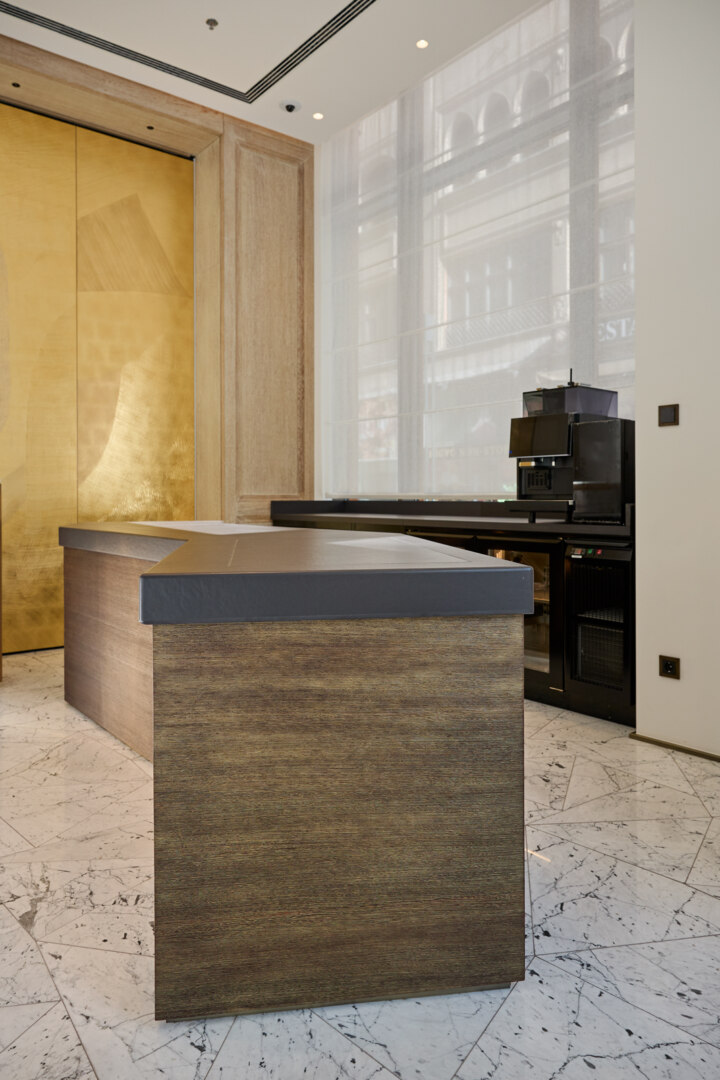
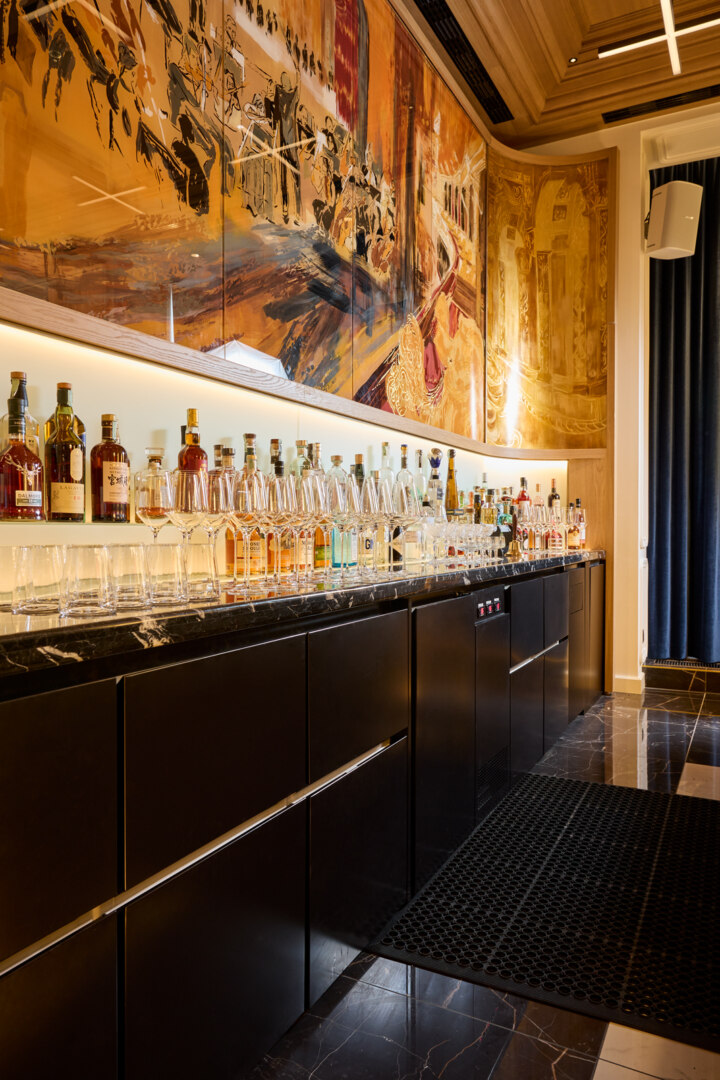
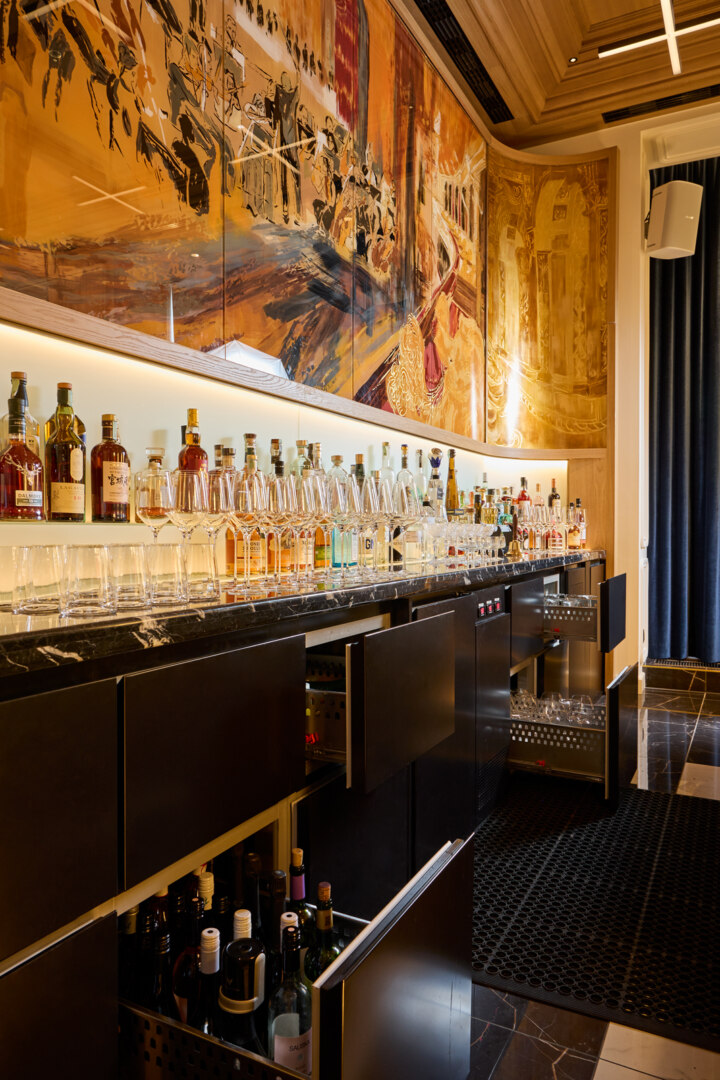
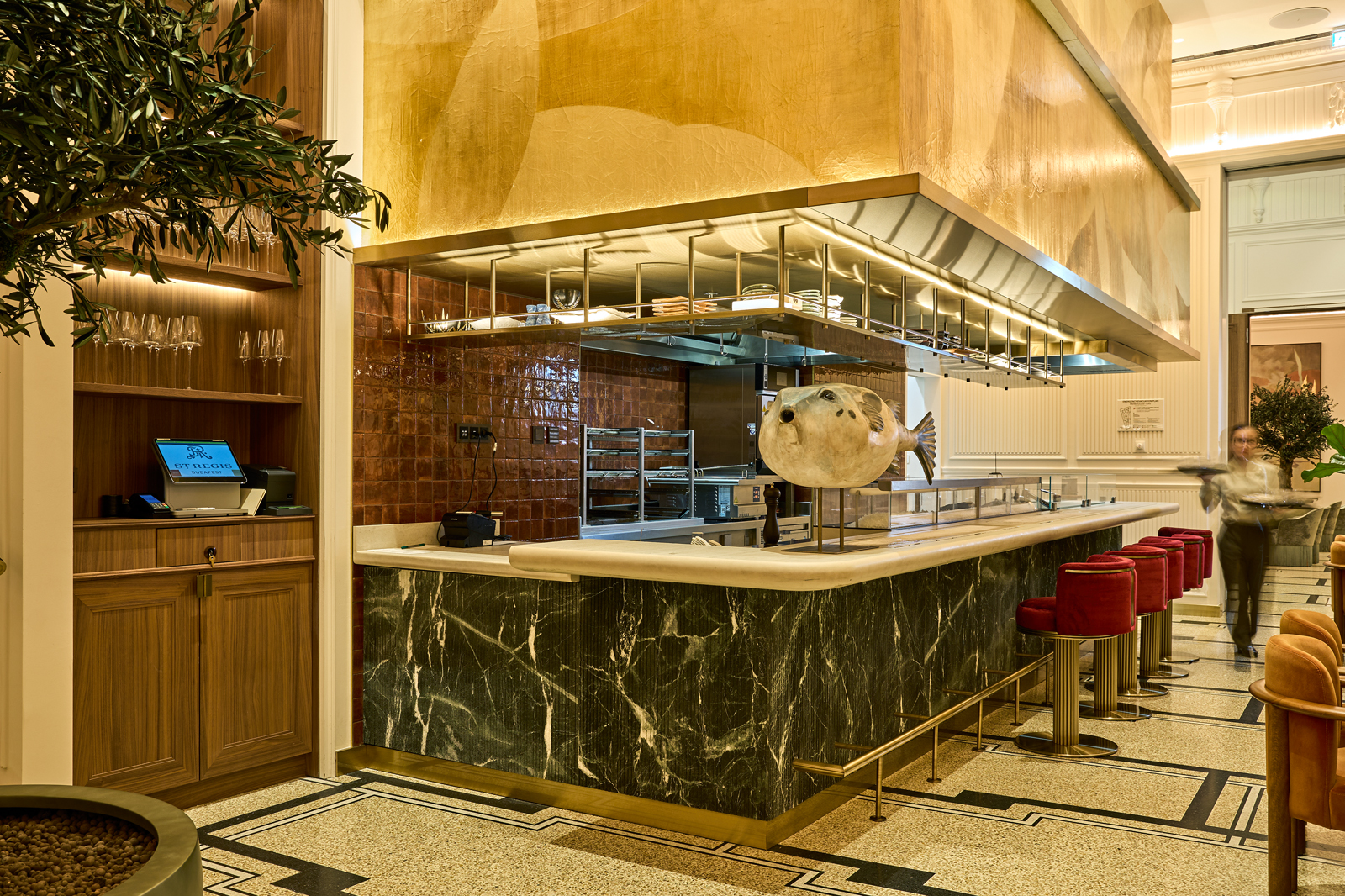
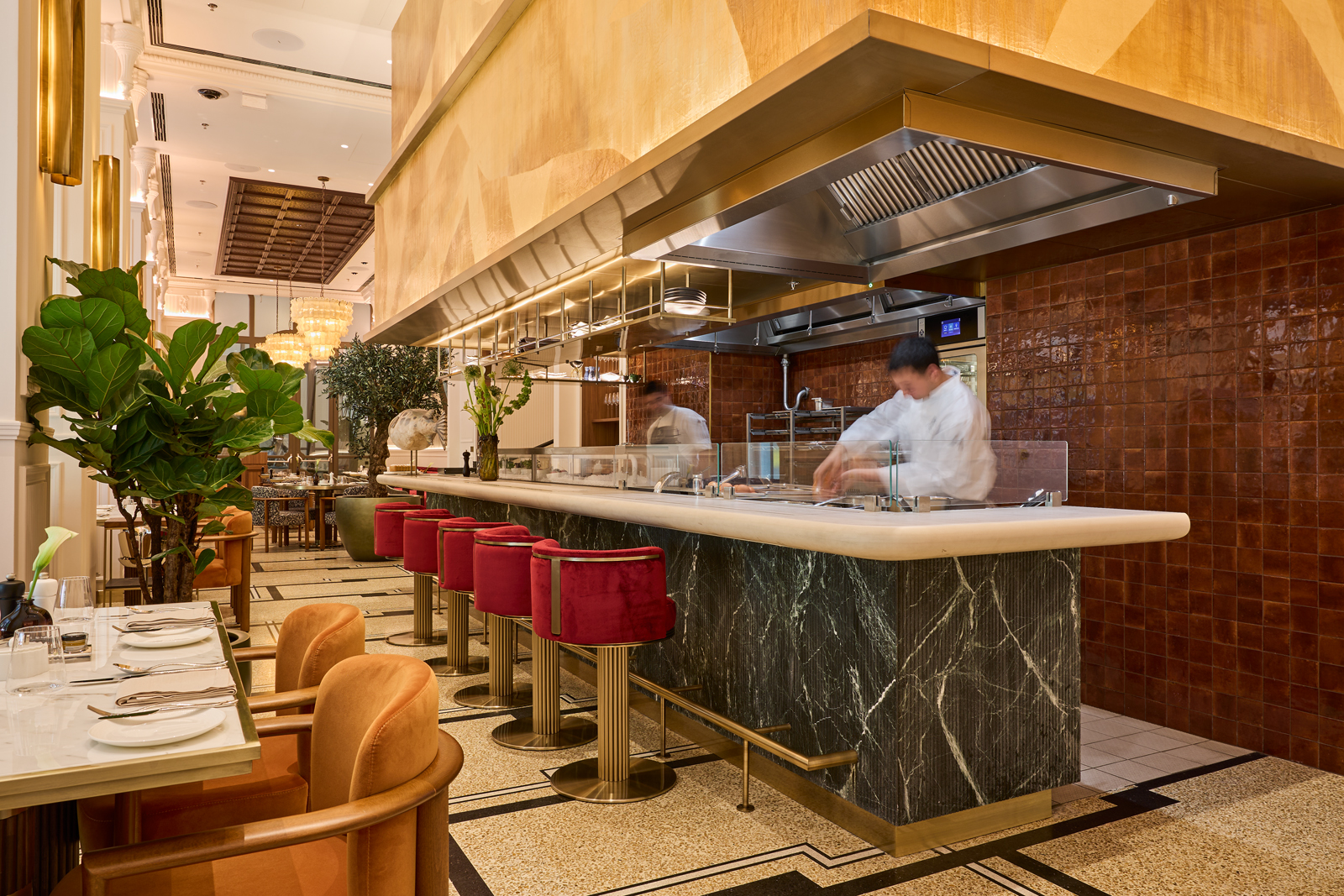
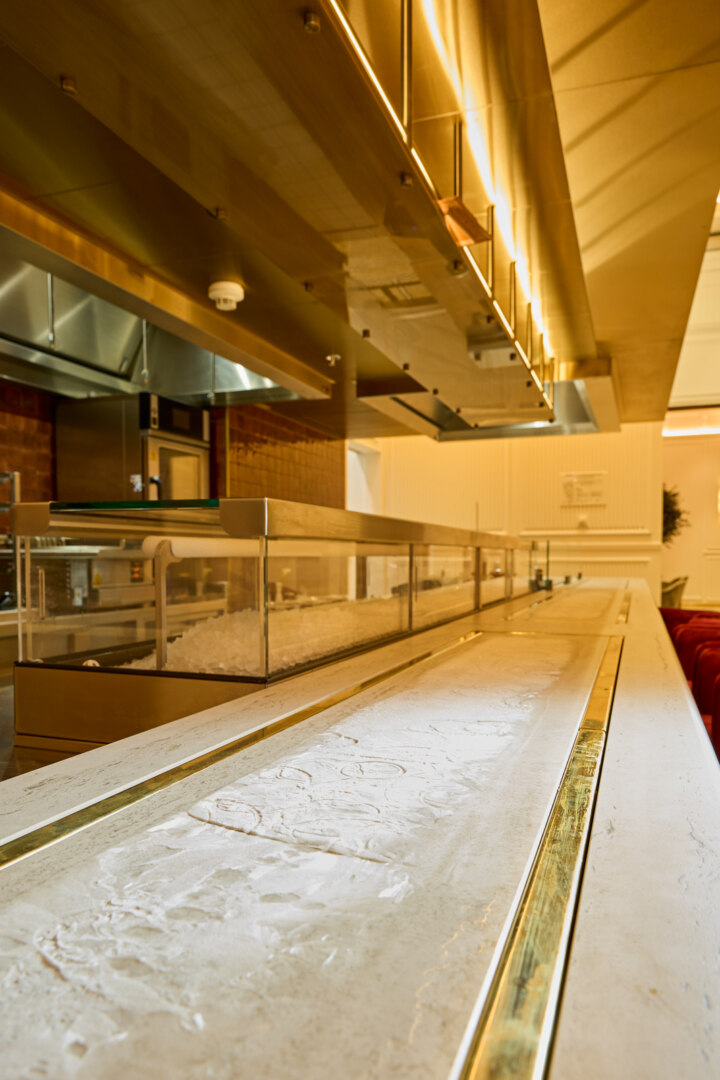
One of the most recognizable elements of the St. Regis brand’s culinary identity is the St. Regis Bar concept. The first St. Regis bar opened in New York, and legend has it that the Bloody Mary cocktail was born there. The Budapest hotel developed its own signature cocktail tied to the concept, while the bar technology and the design of the display counters were handled as separate projects during development.
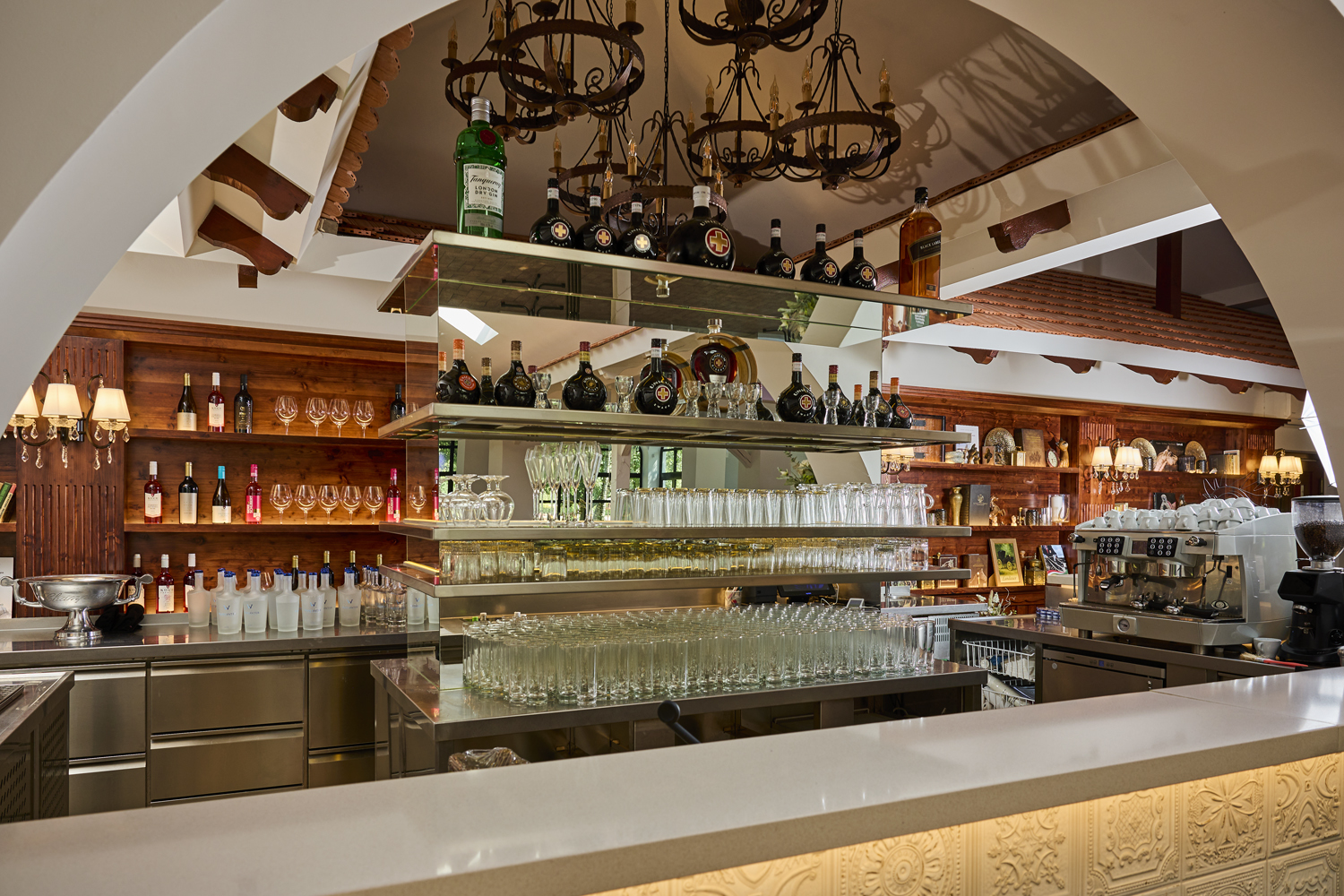
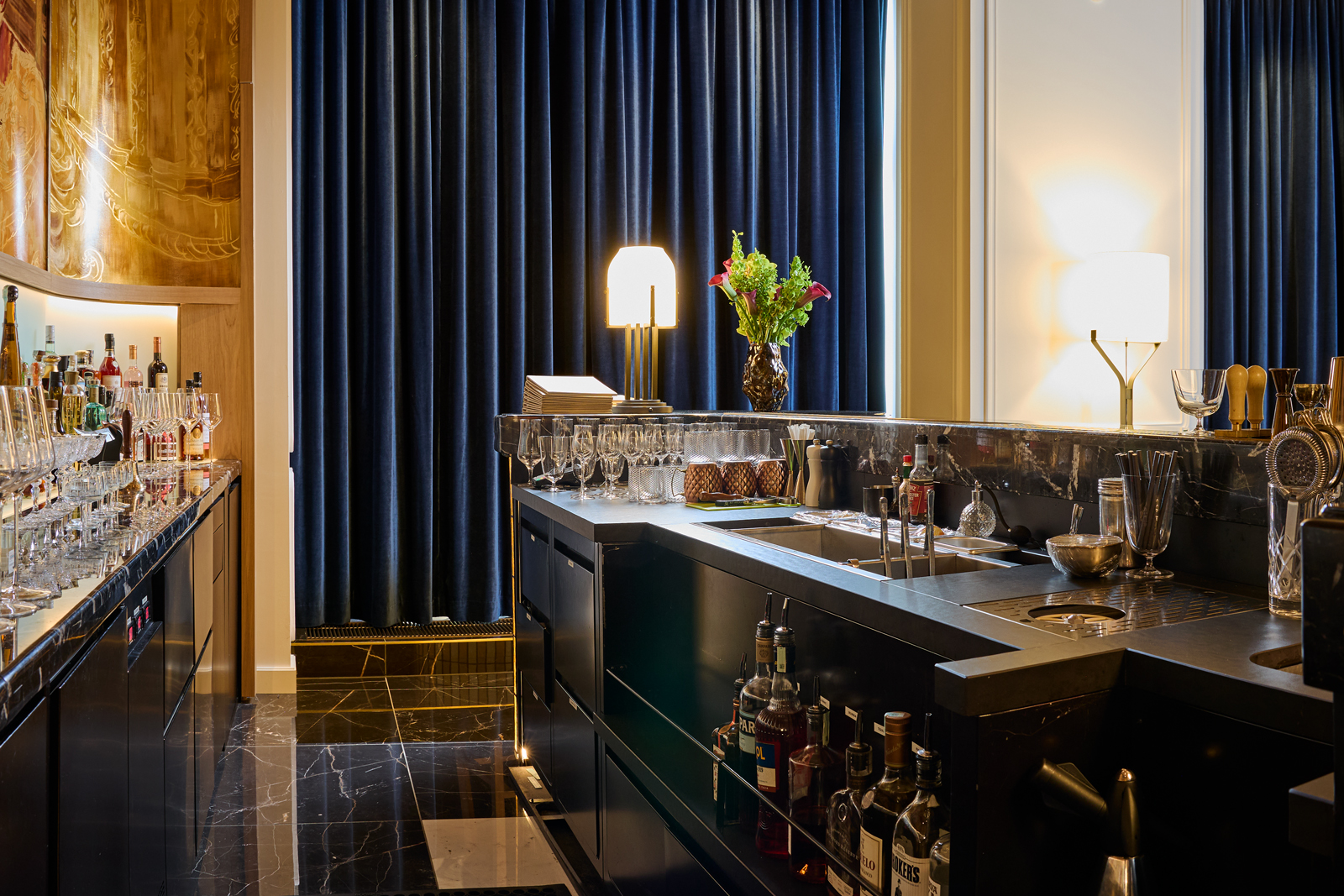
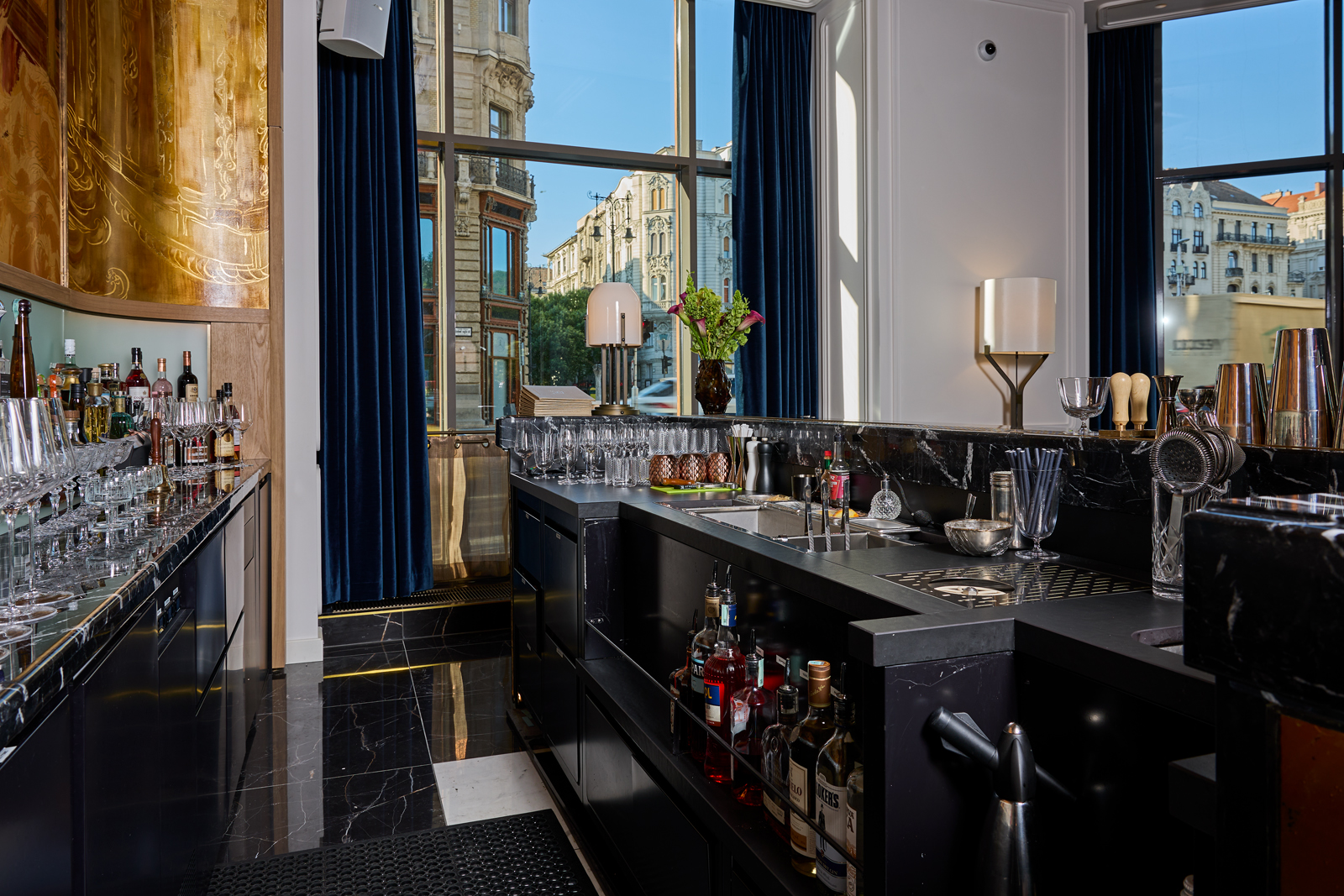
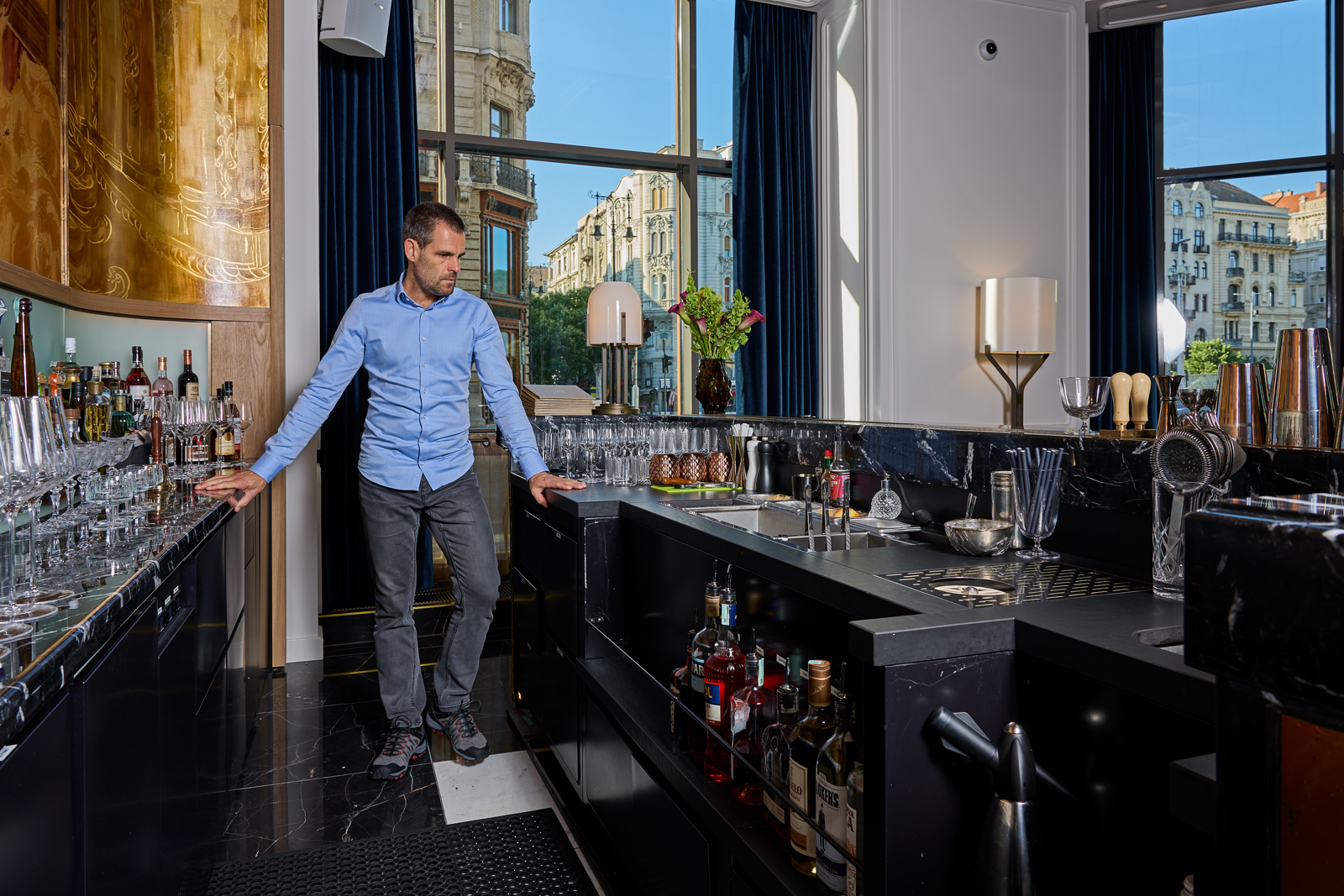
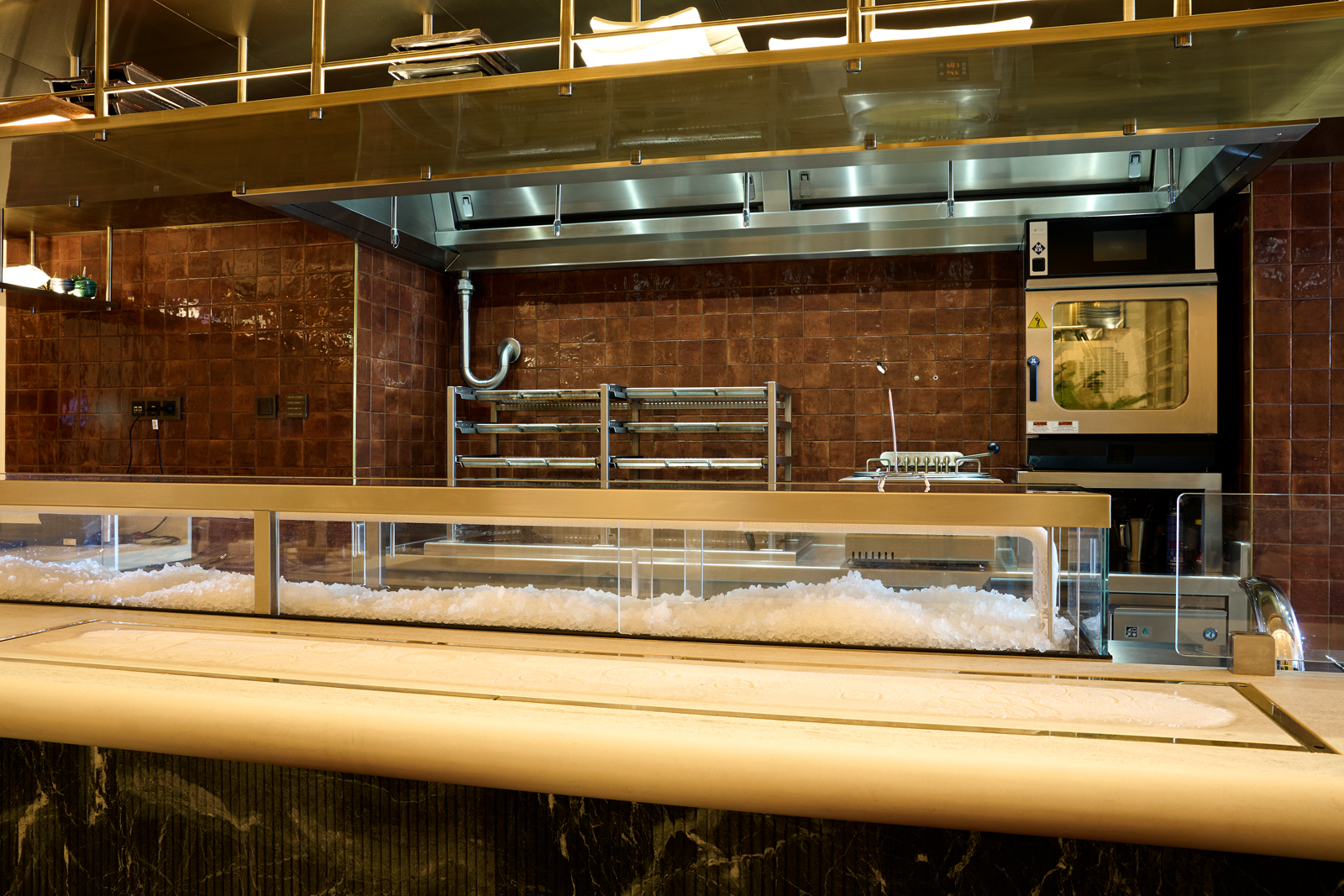
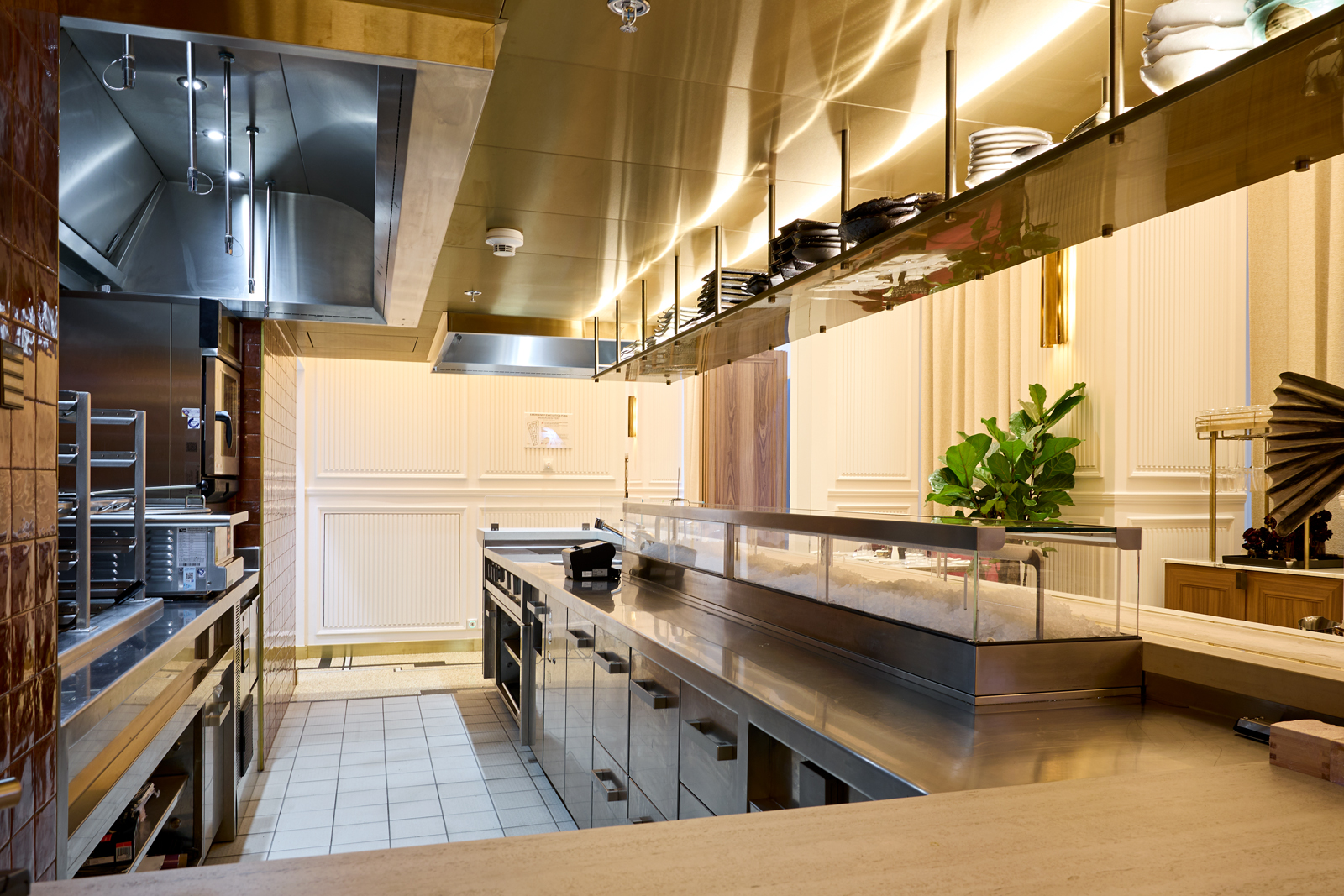
“The bar counters are completely custom-made elements: they were crafted with custom cooling, custom functions, and custom drawer systems, while also having to fit perfectly with the interior design requirements.”
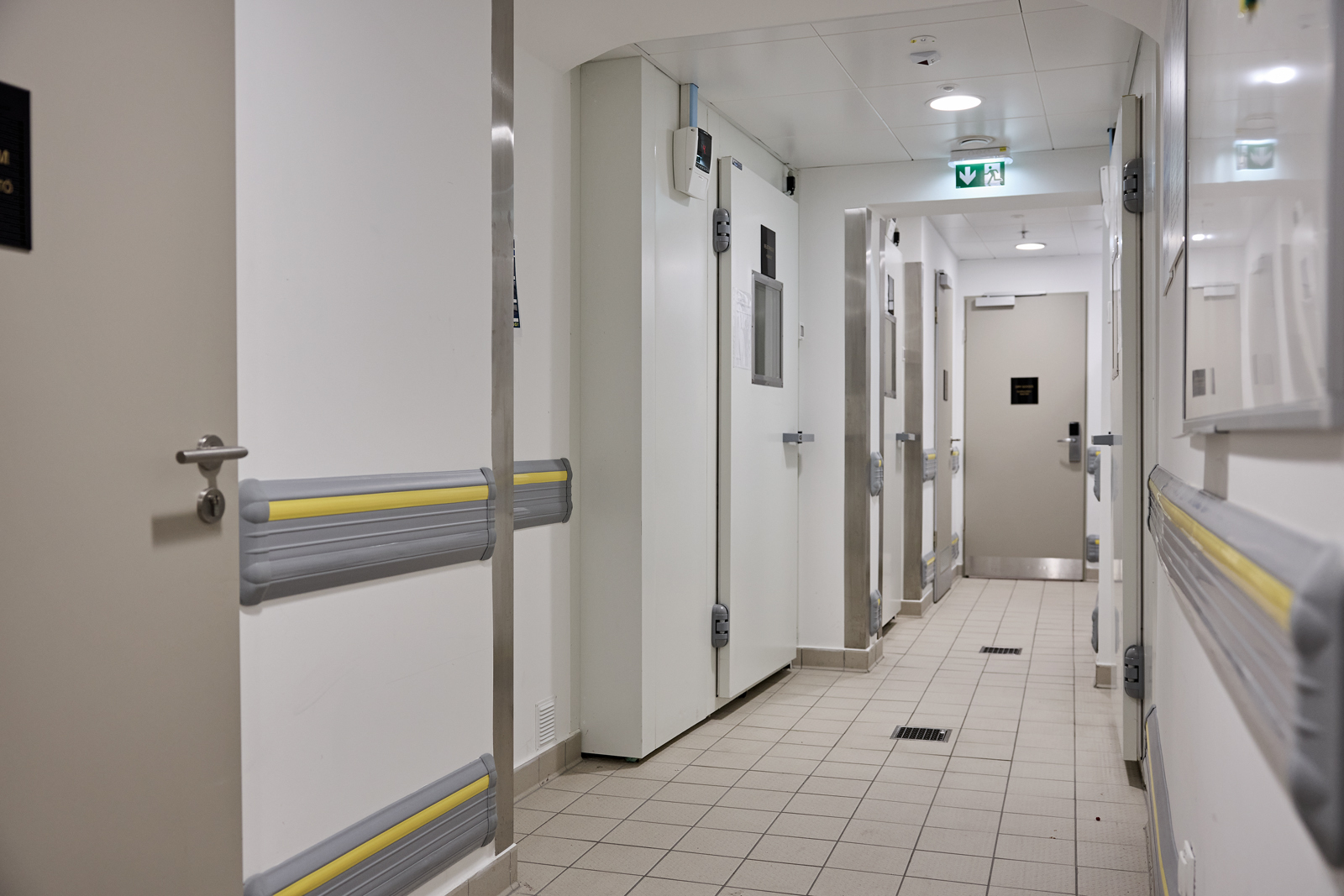
A hotel where all back-of-house operations take place in the basement
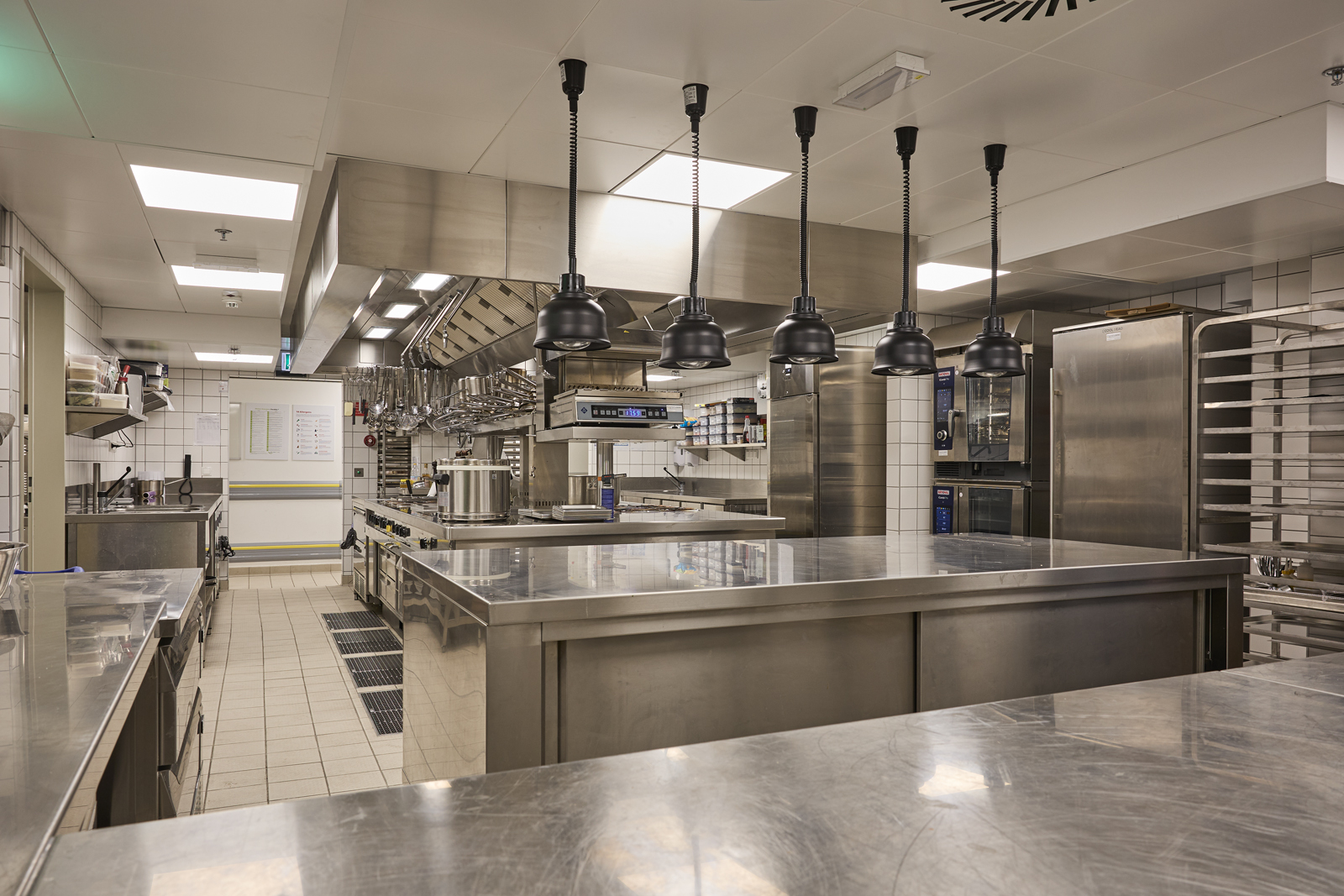
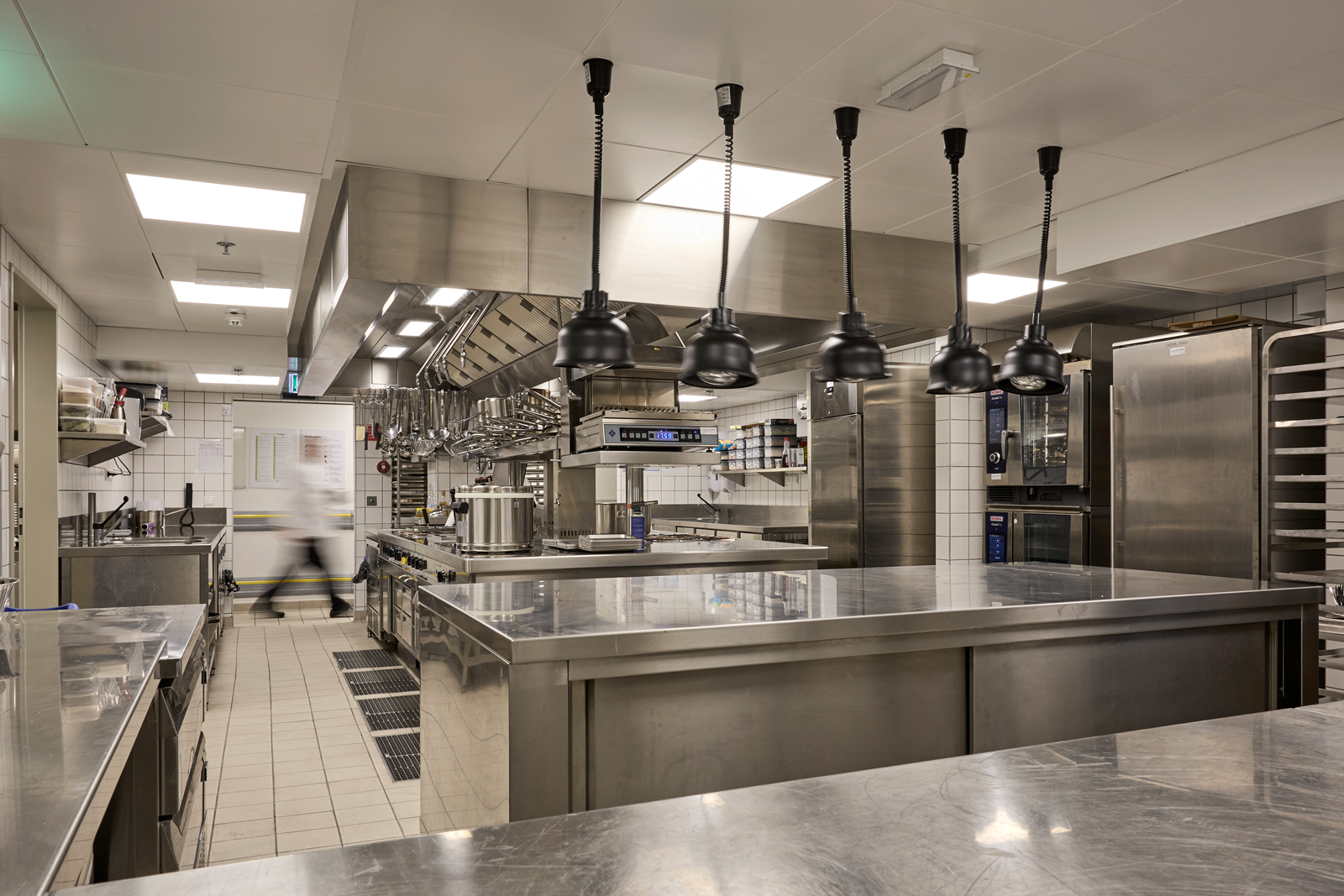
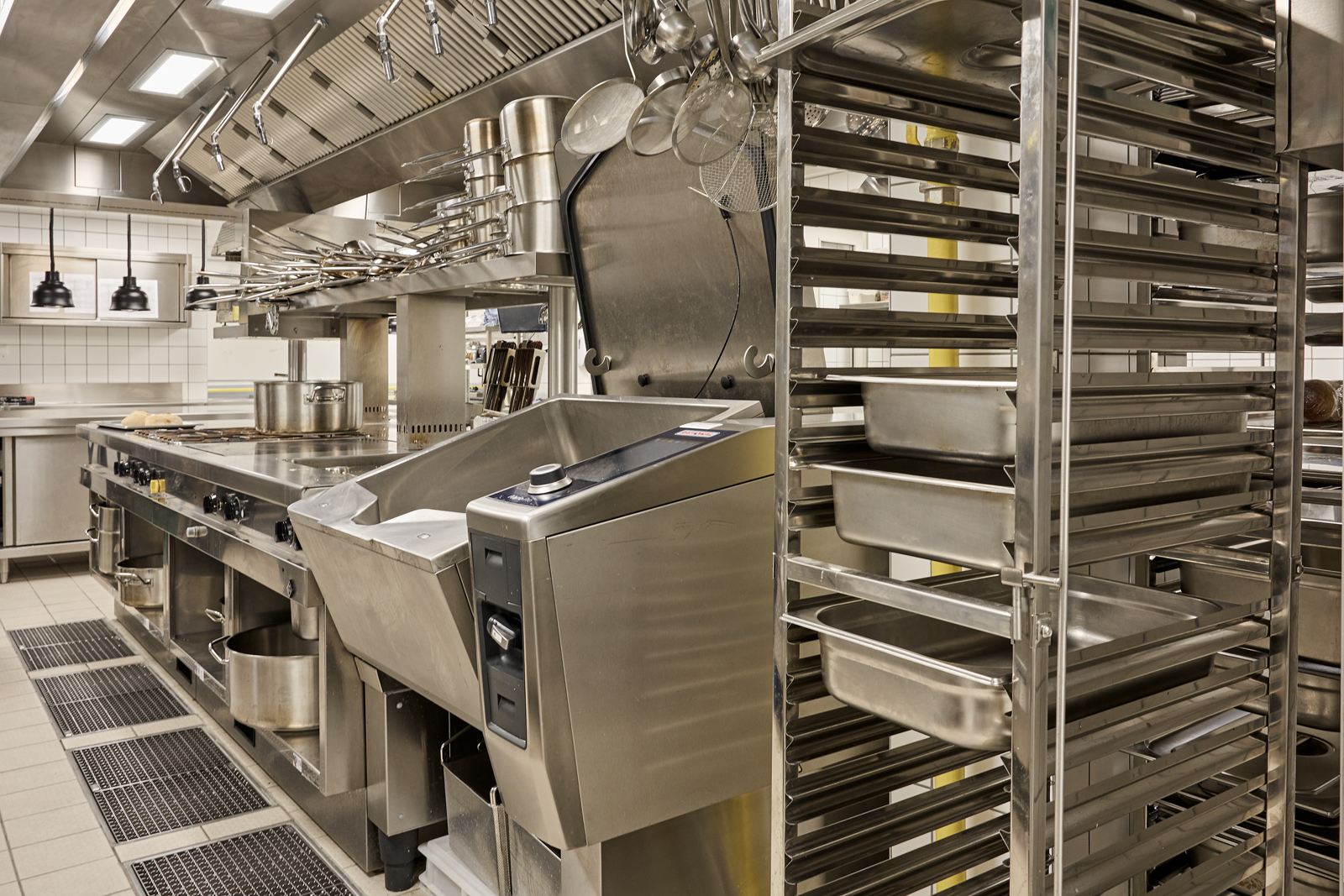
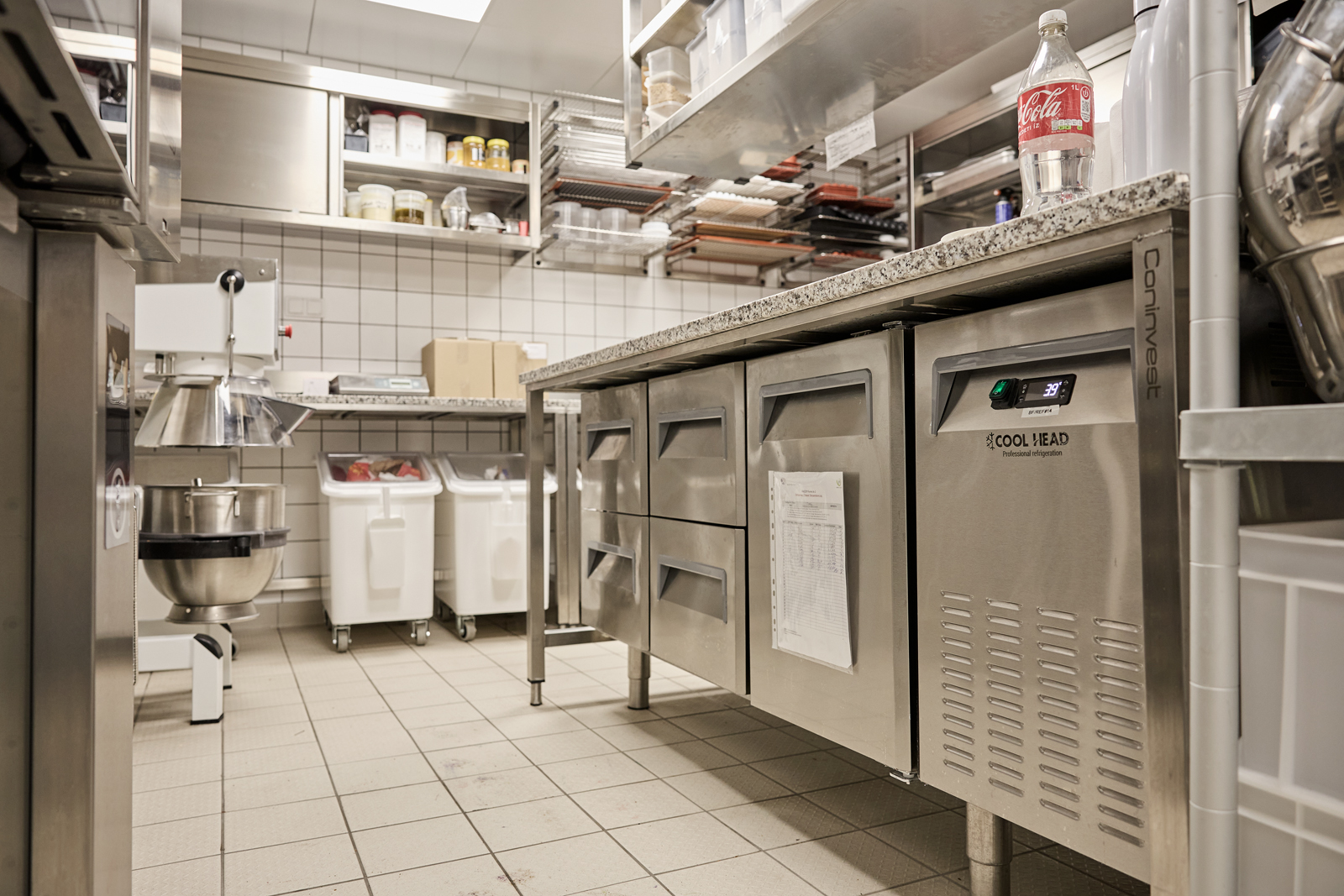
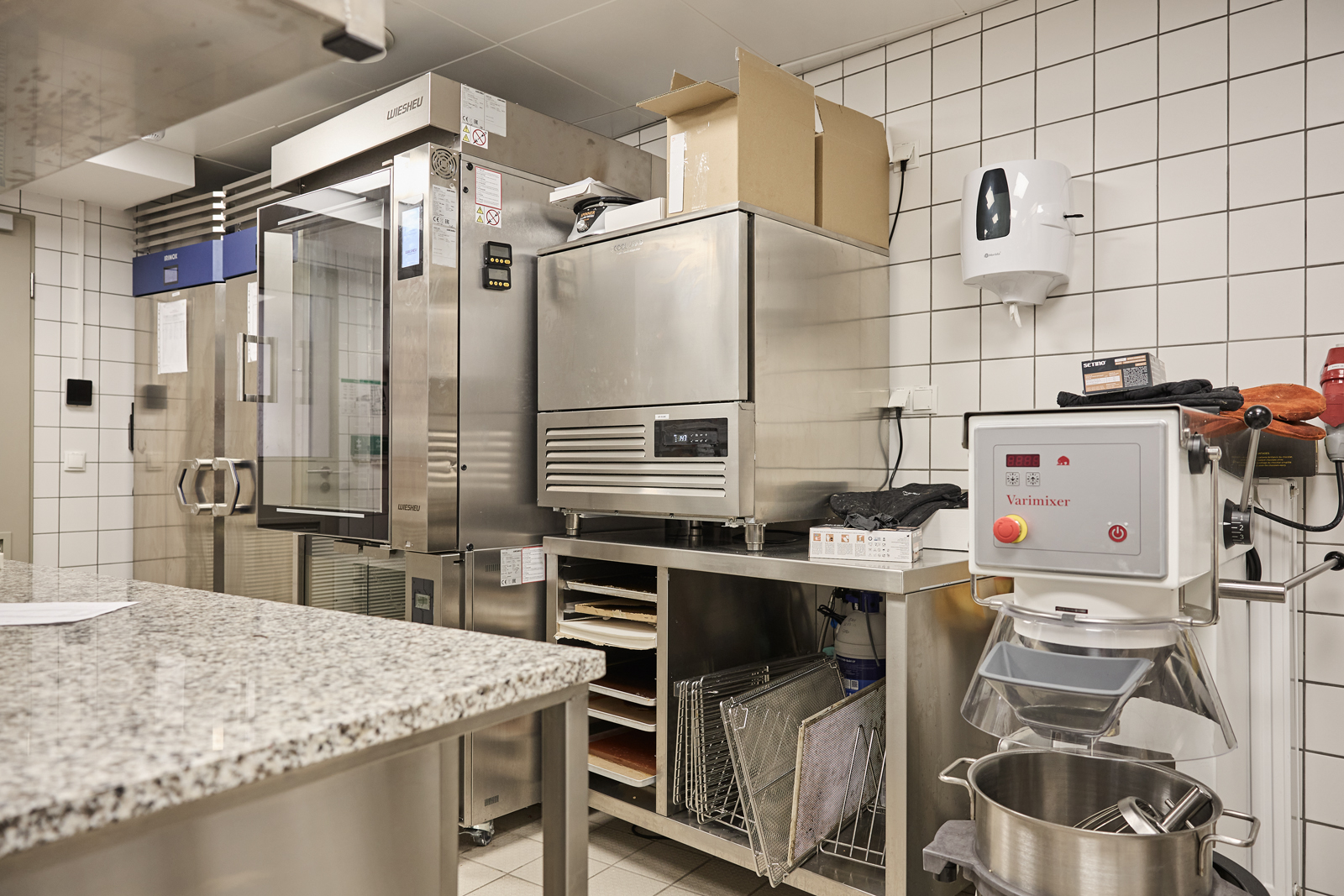
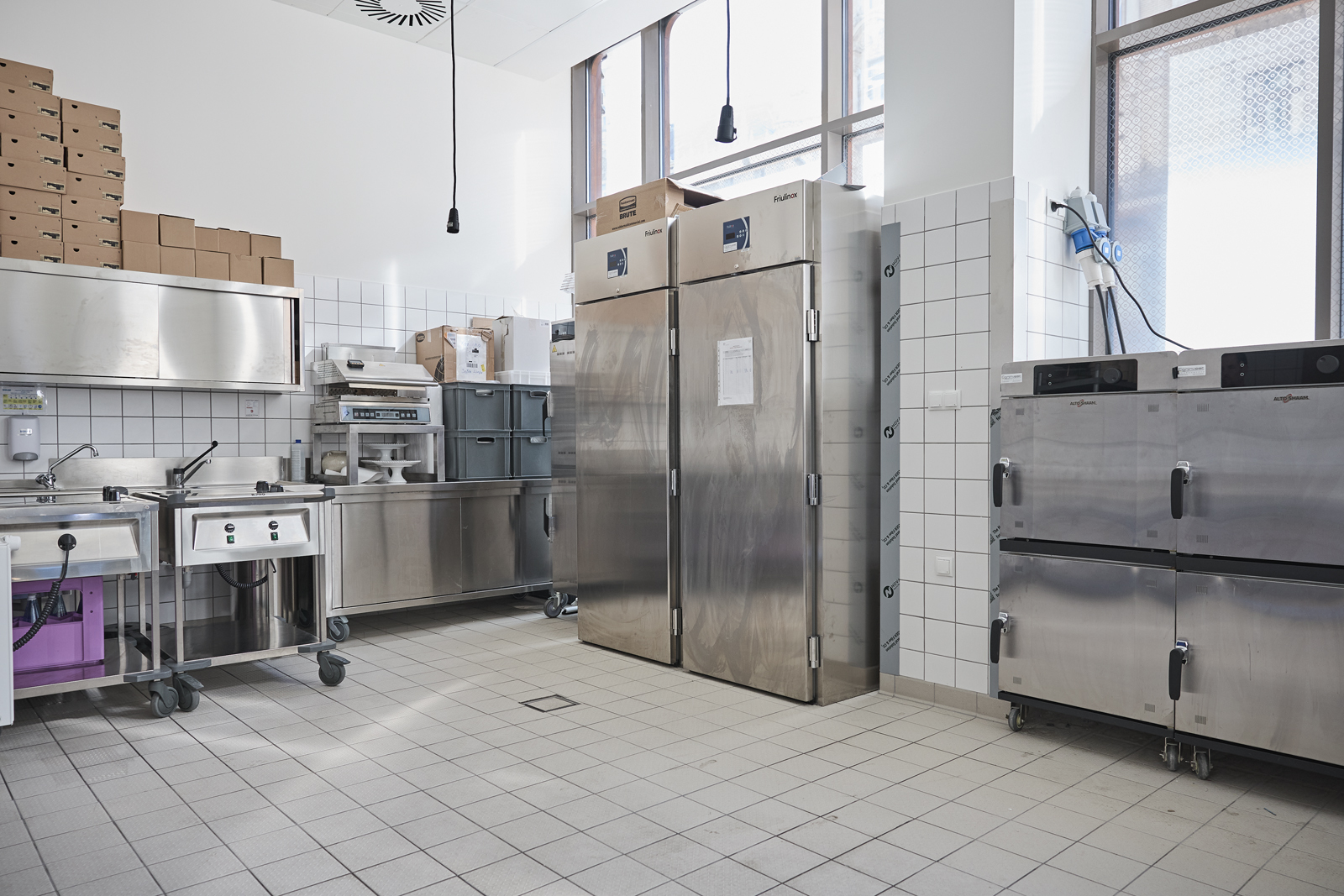
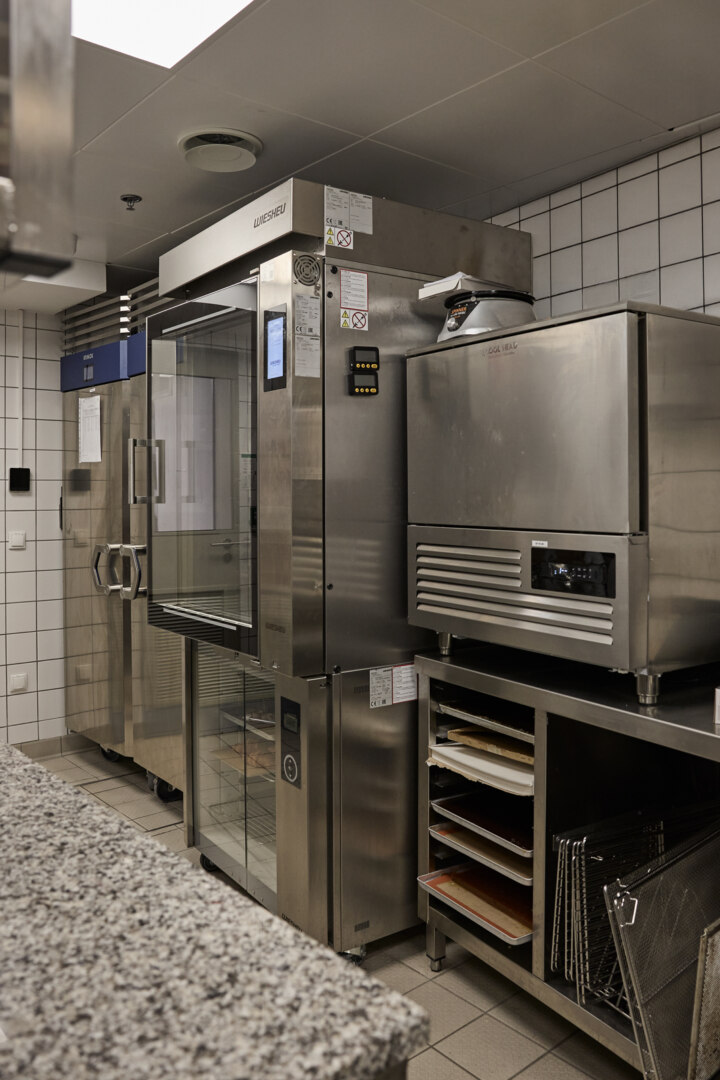
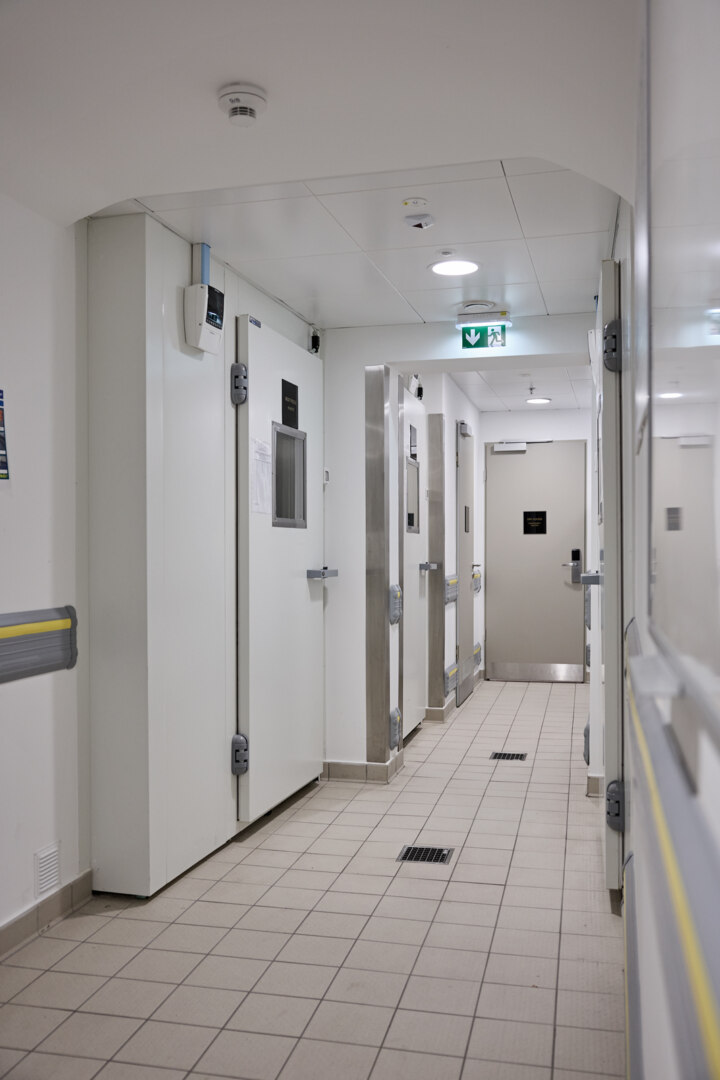
One of the project’s greatest technological challenges was that the main kitchen, prep areas, bakery, pastry shop, dishwashing, and storage were almost entirely located on the basement levels. While this may seem like a simple logistical decision at first glance, it actually resulted in an extremely complex operational system.
“We can only serve the various guest areas via elevators. Because of this, we had to install six new food service elevators in the building.”
The elevators operate in pairs: one elevator is used for the clean food flow, while the other is used exclusively for returning dirty dishes.
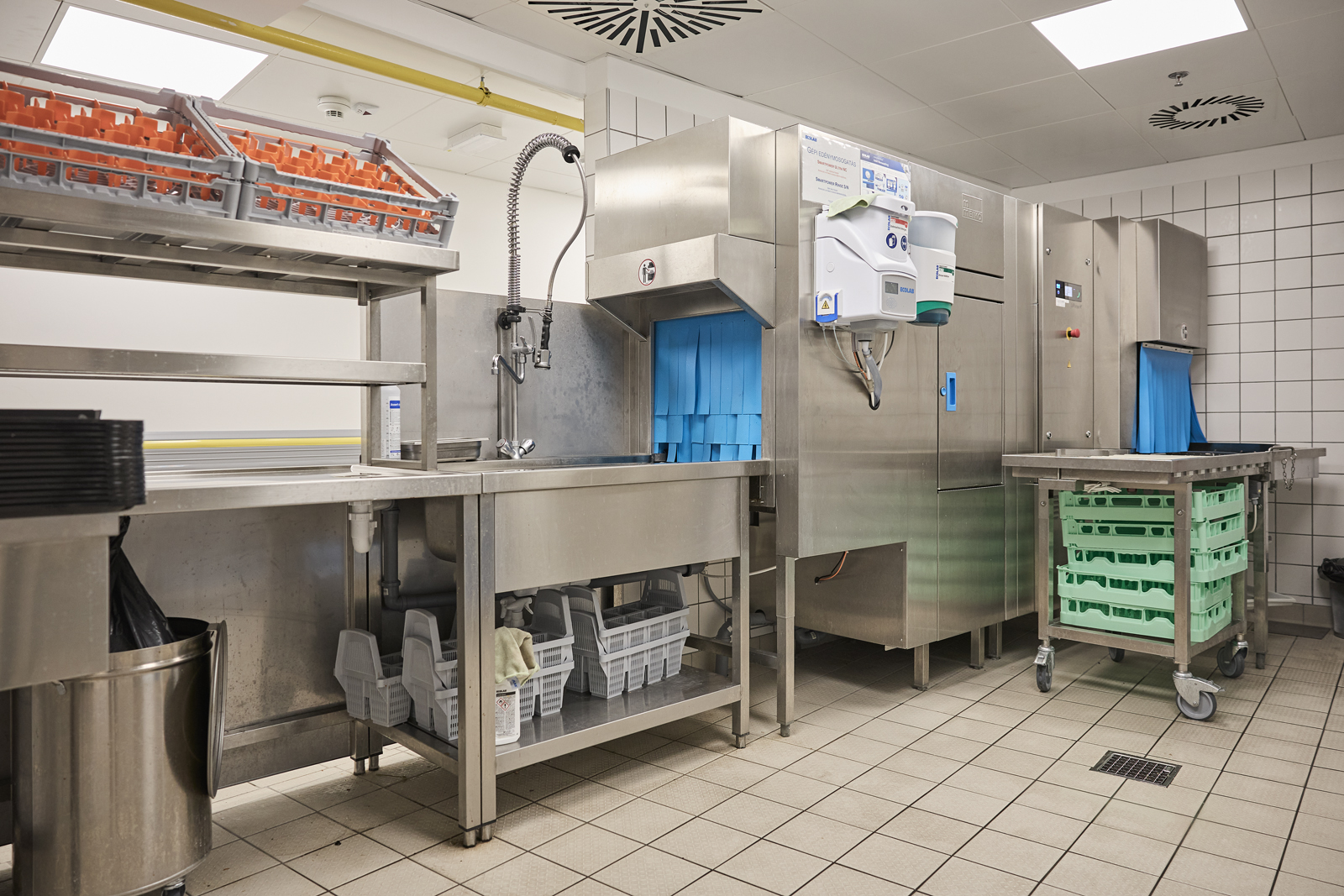
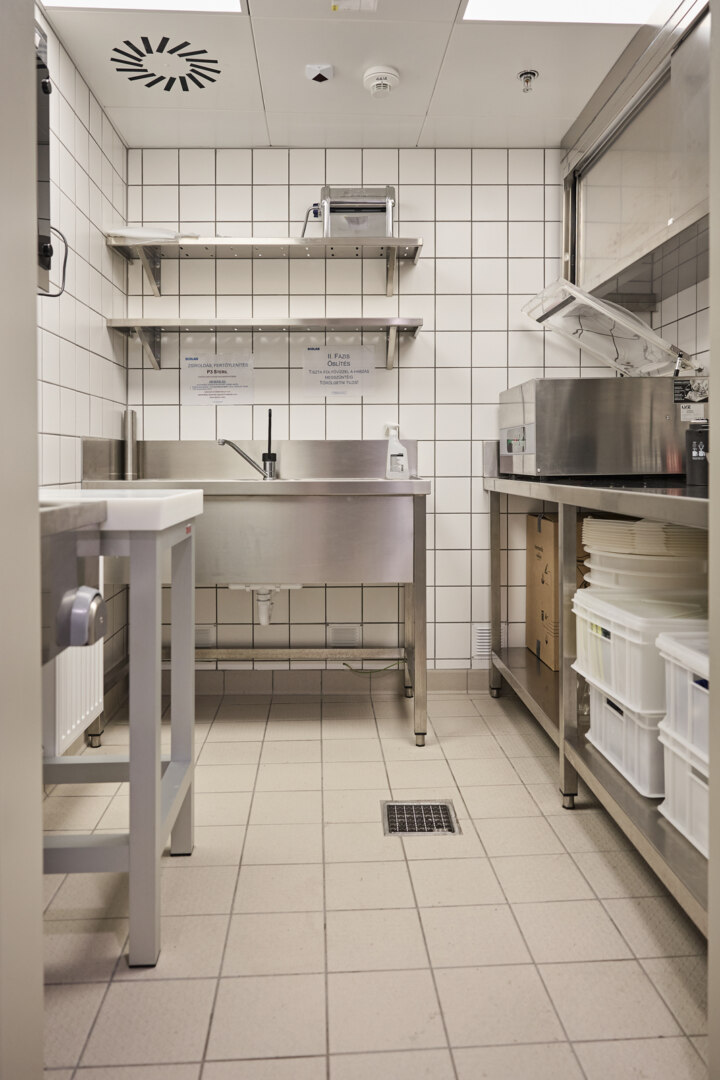
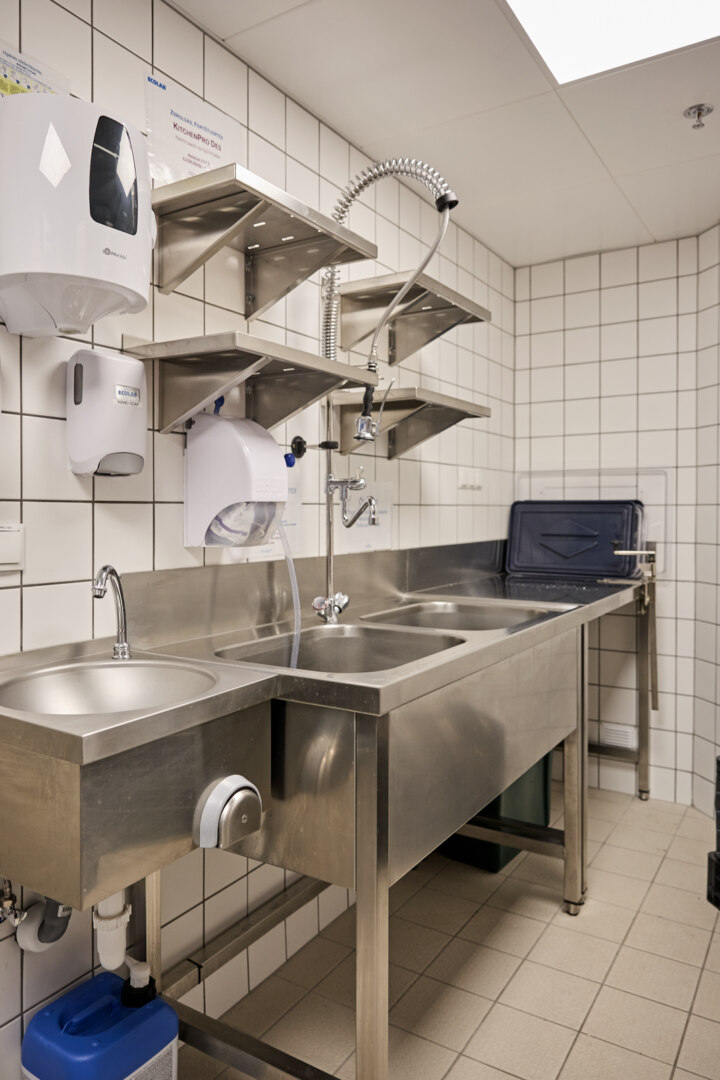
The entire central dishwashing area is also located in the basement, where all customer and service dishes are returned.
“Of course, the bar counters have the necessary local sinks and glass washers, but all large-scale dishwashing takes place downstairs.”
The Marriott-standard: when a manual is 700 pages long
The St. Regis is part of Marriott International’s luxury portfolio, so the international hotel group’s strict operational standards also had to be applied during the project.
“Marriott has a standard manual that’s over 700 pages long. They have a ton of regulations that are even stricter than European or domestic regulations.”
International experts worked together on the project. A Marriott kitchen technology consultant arrived from Germany, a butler expert from Scotland, a bar specialist from India, an interior design manager from France, American architectural consultants, and representatives of the ownership group from the Middle East.
“We had online meetings where we coordinated across multiple time zones simultaneously.”
Where hygiene is non-negotiable
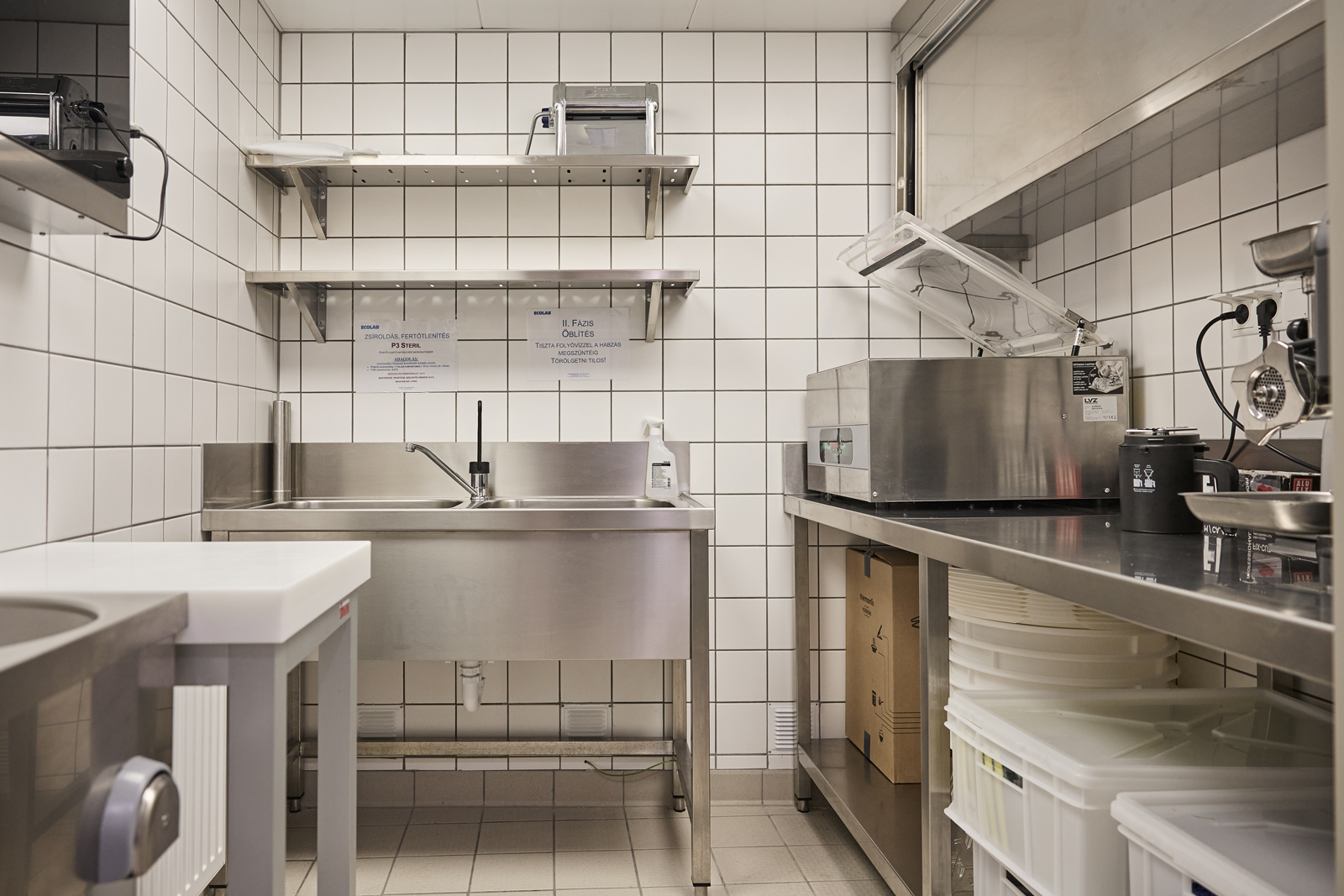
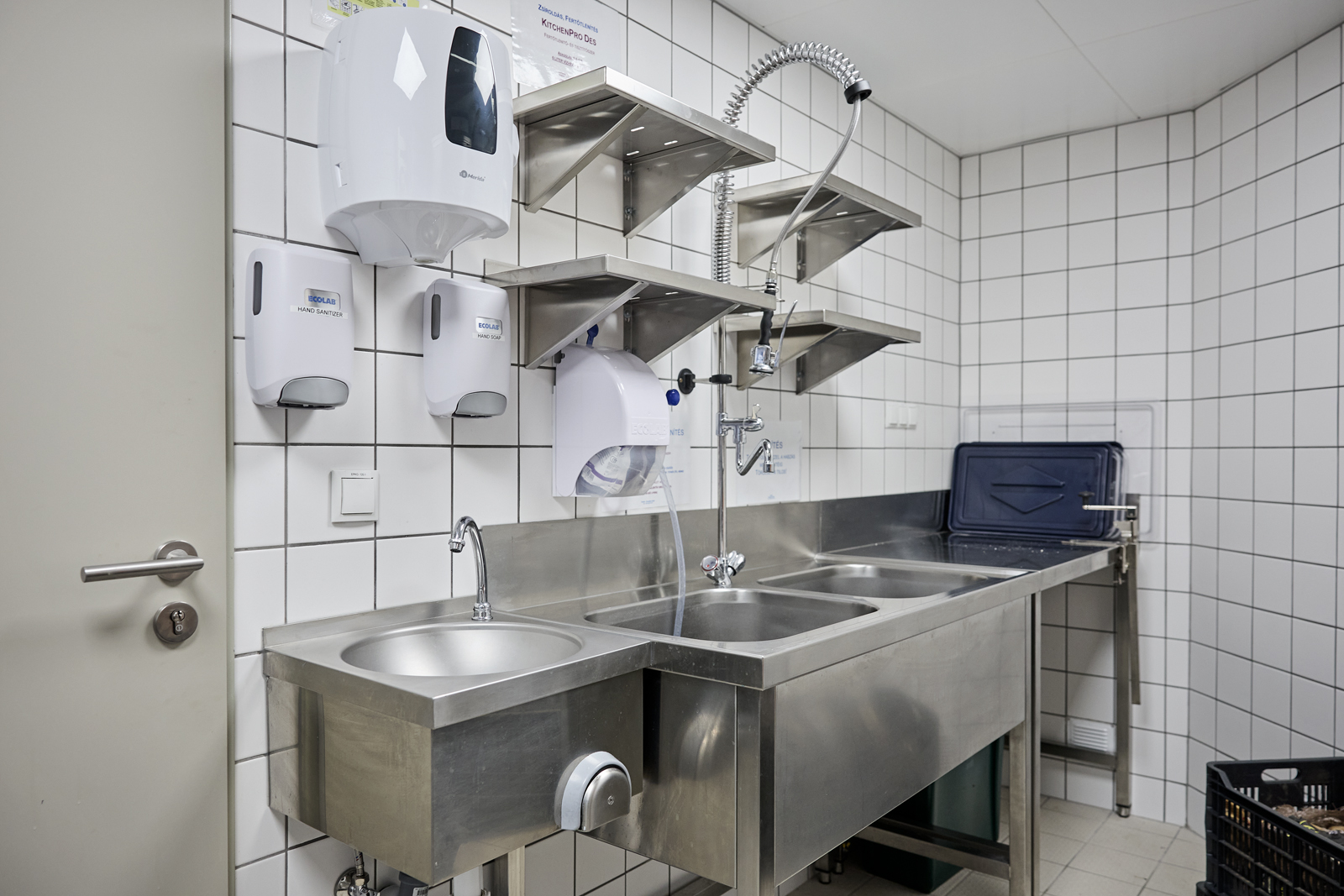
One key element of the Marriott standard is rigorous hygiene control. For example, dishwashing systems were installed during the project that operate at temperatures higher than those required by conventional standards. The systems, equipped with a thermolabel function, are designed to ensure the disinfection of utensils, glasses, and cutlery even during continuous, high-volume operation.
“In a five-star hotel, there are no weekends, no holidays, and no downtime. These systems are built to handle continuous operation.”
The MKN kitchen island, welded together in the basement
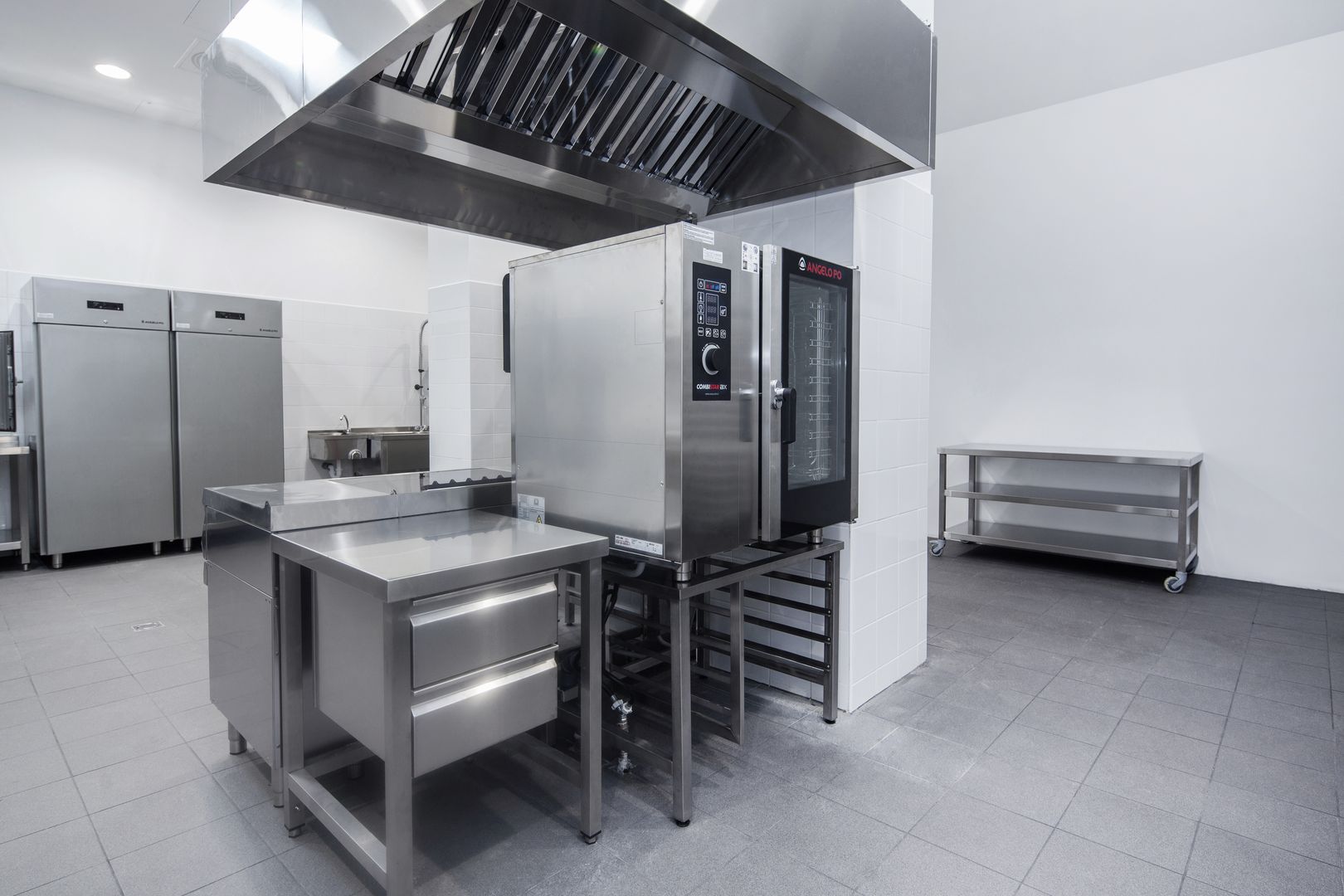
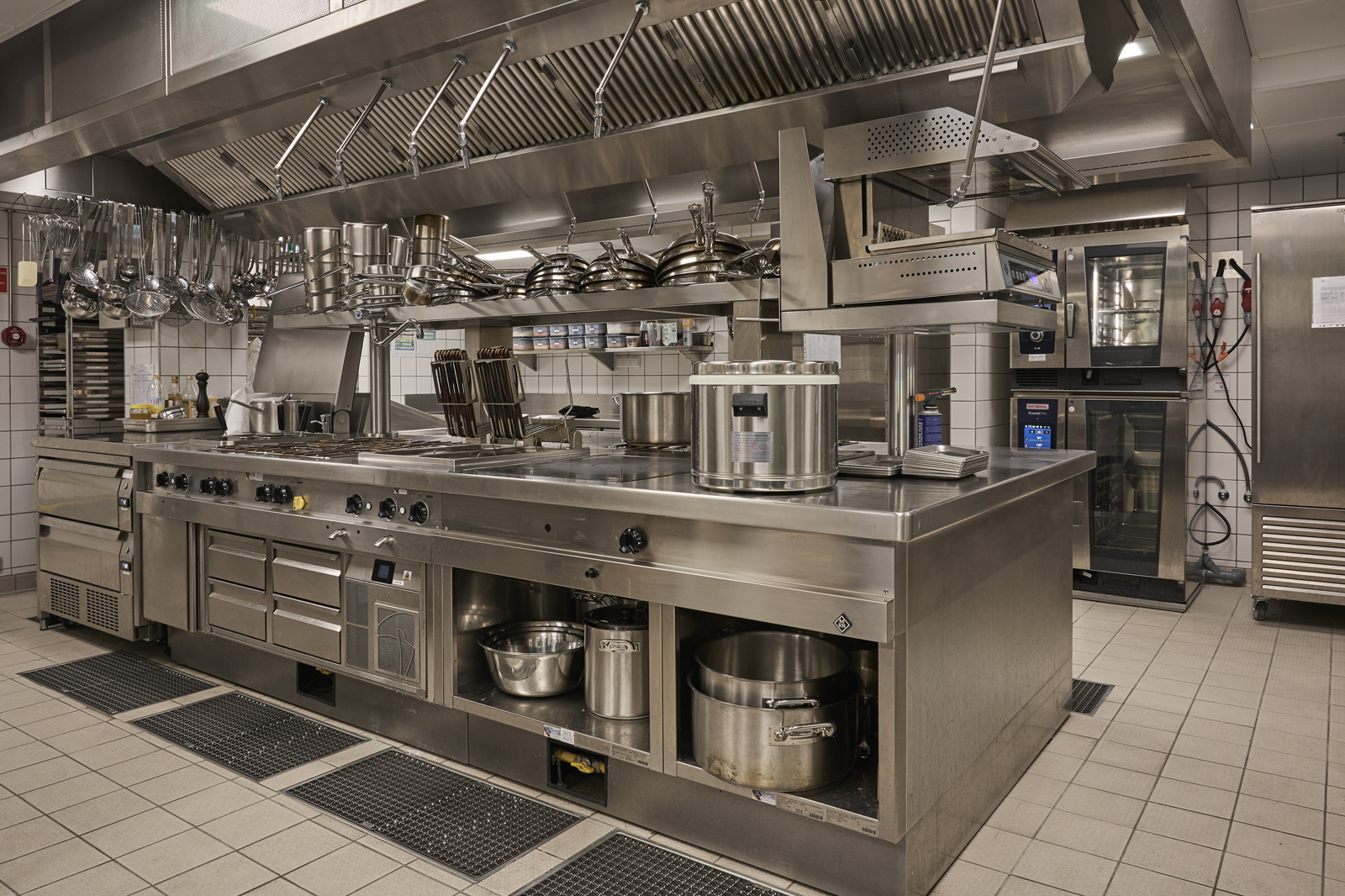
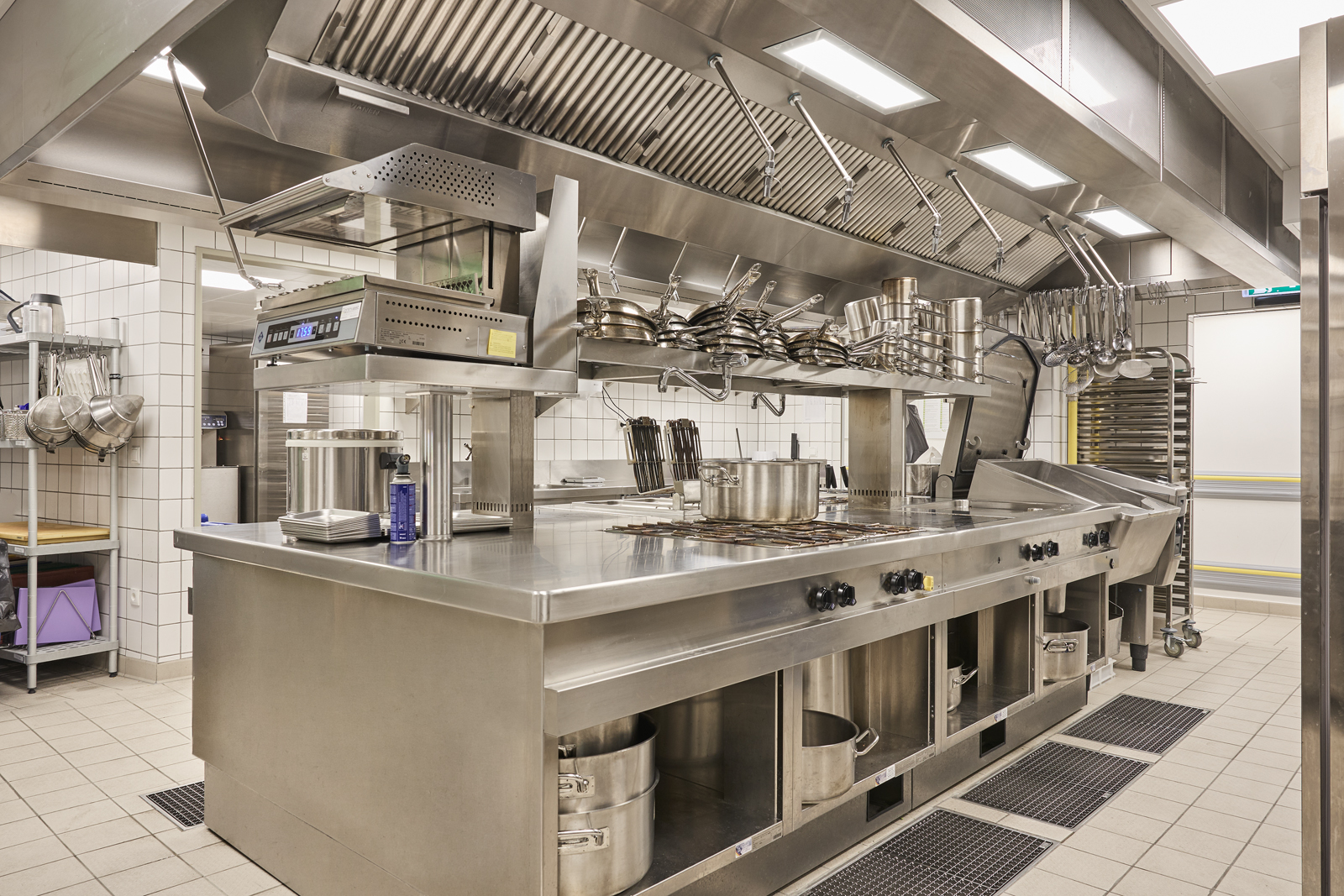
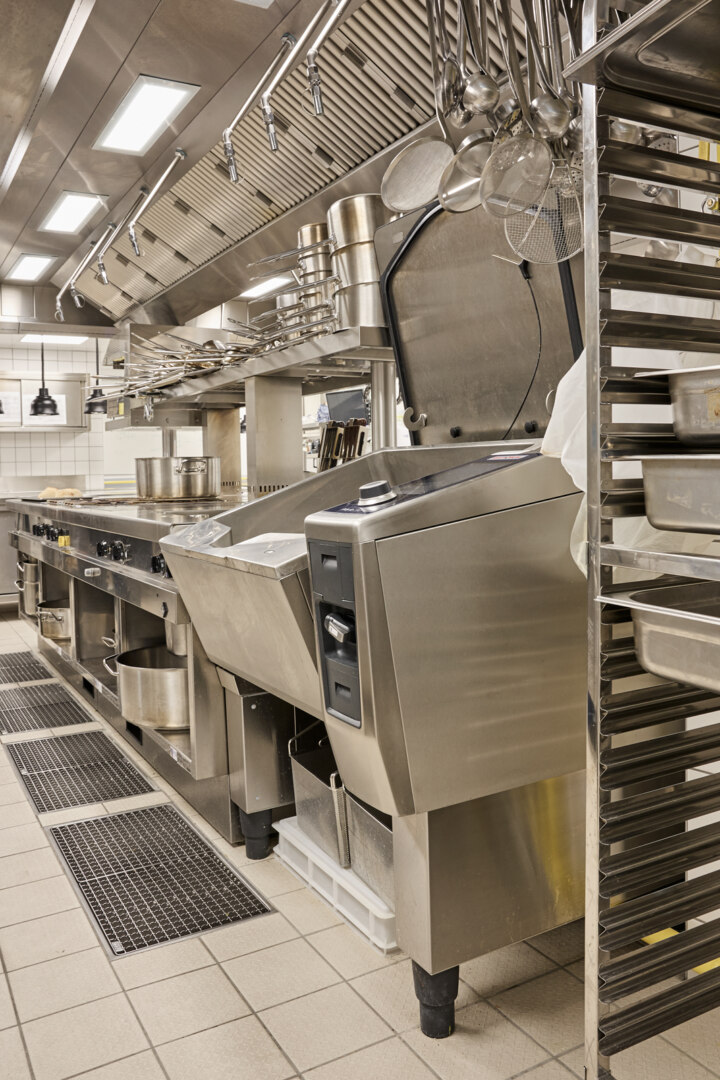
One of the most unique elements of the project is the central MKN kitchen island in the basement kitchen. Coninvest ultimately convinced the client that, due to the heavy use, it would be better to install a system with a welded-on top rather than a traditional one.
“This is a much more durable solution in terms of both hygiene and longevity.”
However, due to its size, the island was delivered to the basement in two parts, where MKN’s German specialists welded them together on site.
“The welders worked down there for two days to ensure the entire top surface functioned as a single, homogeneous surface.”
Designing modern technology into a historic setting
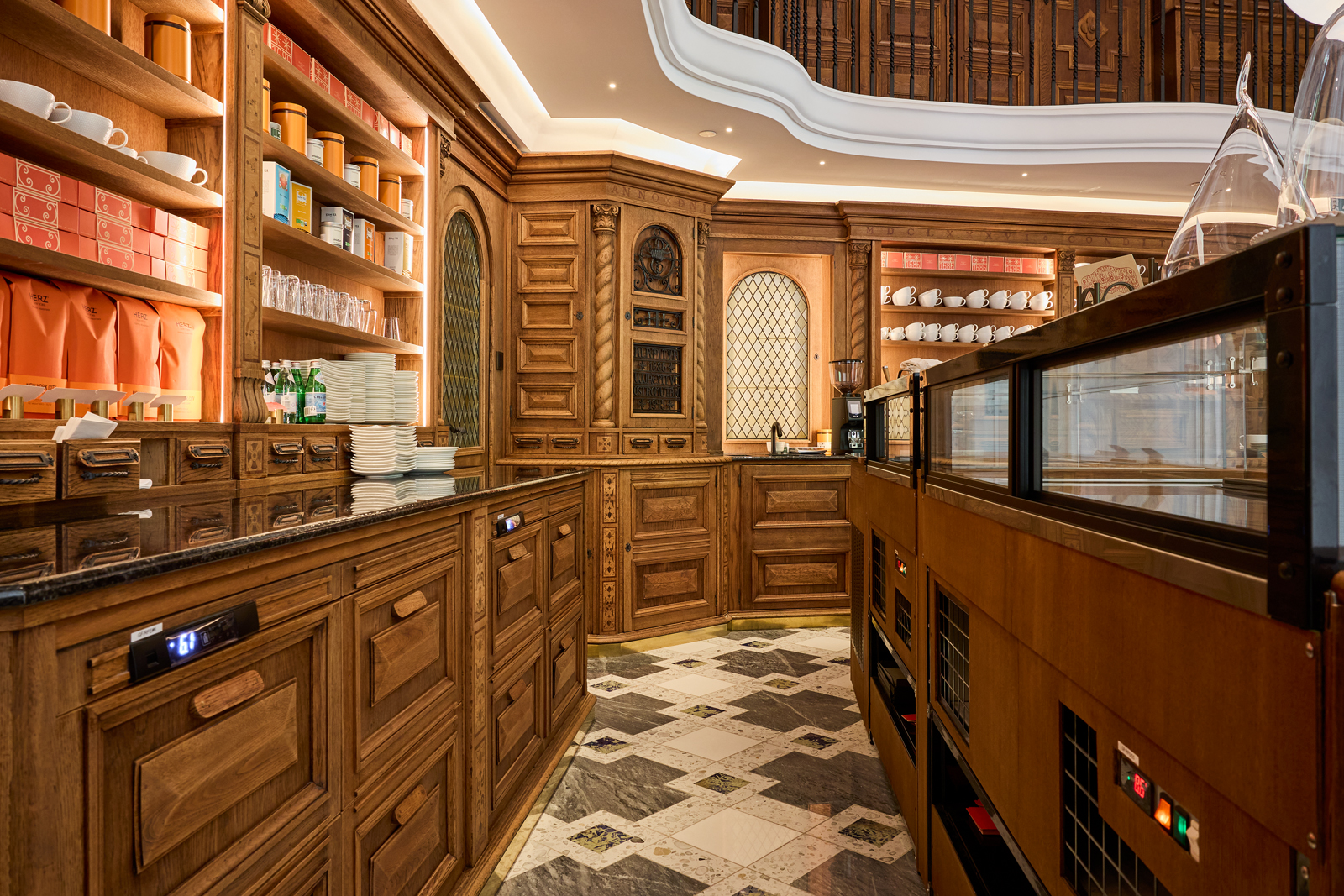
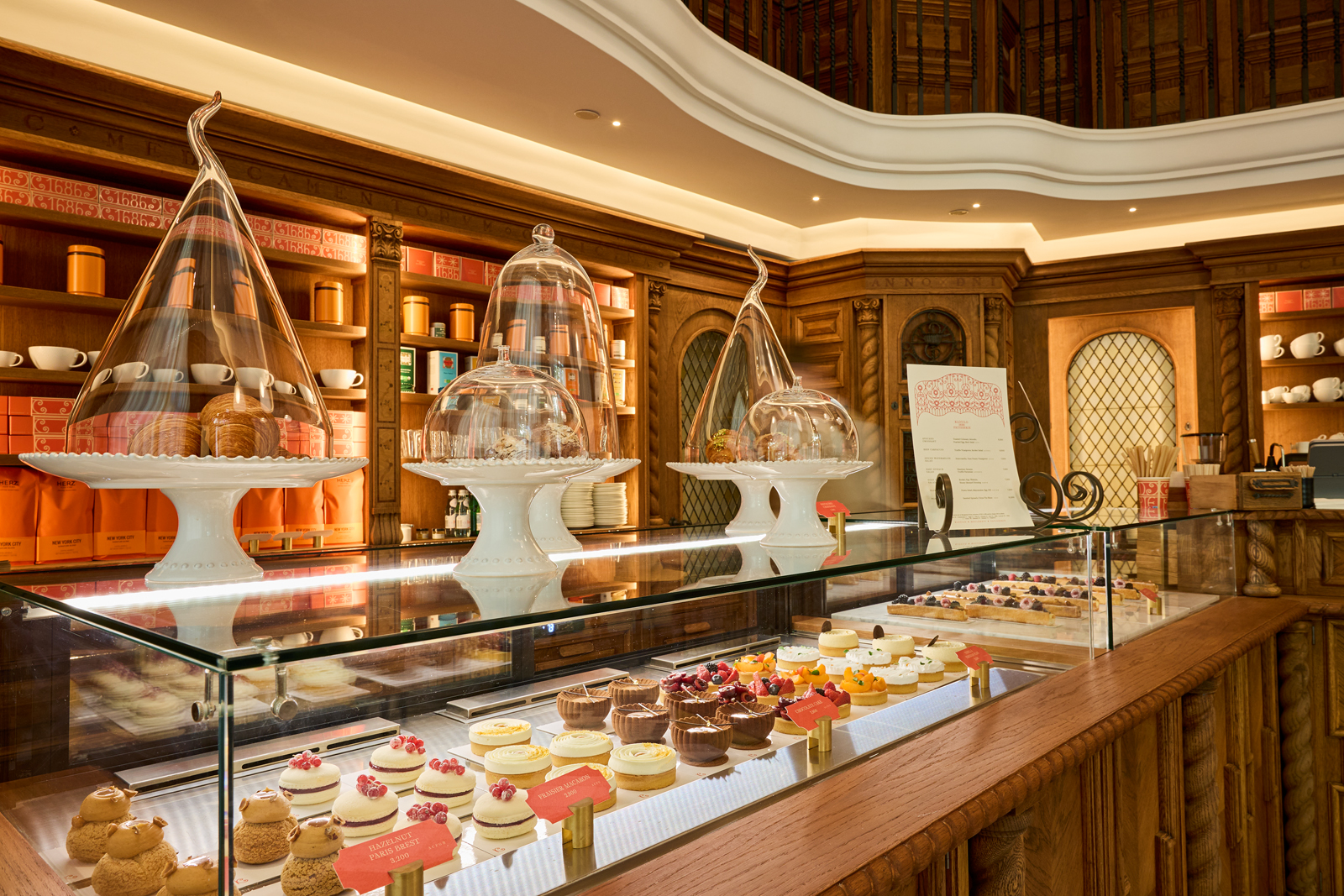
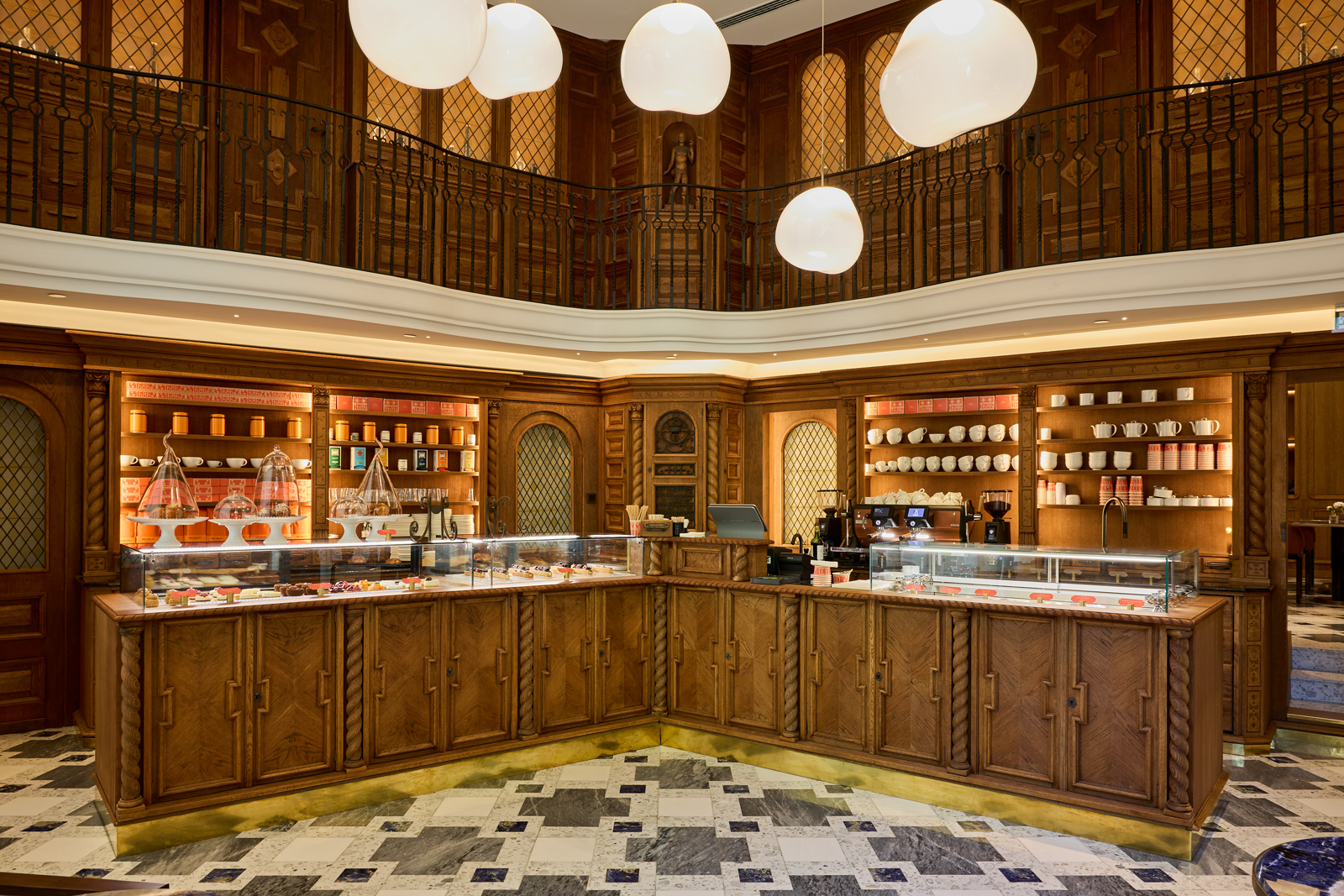
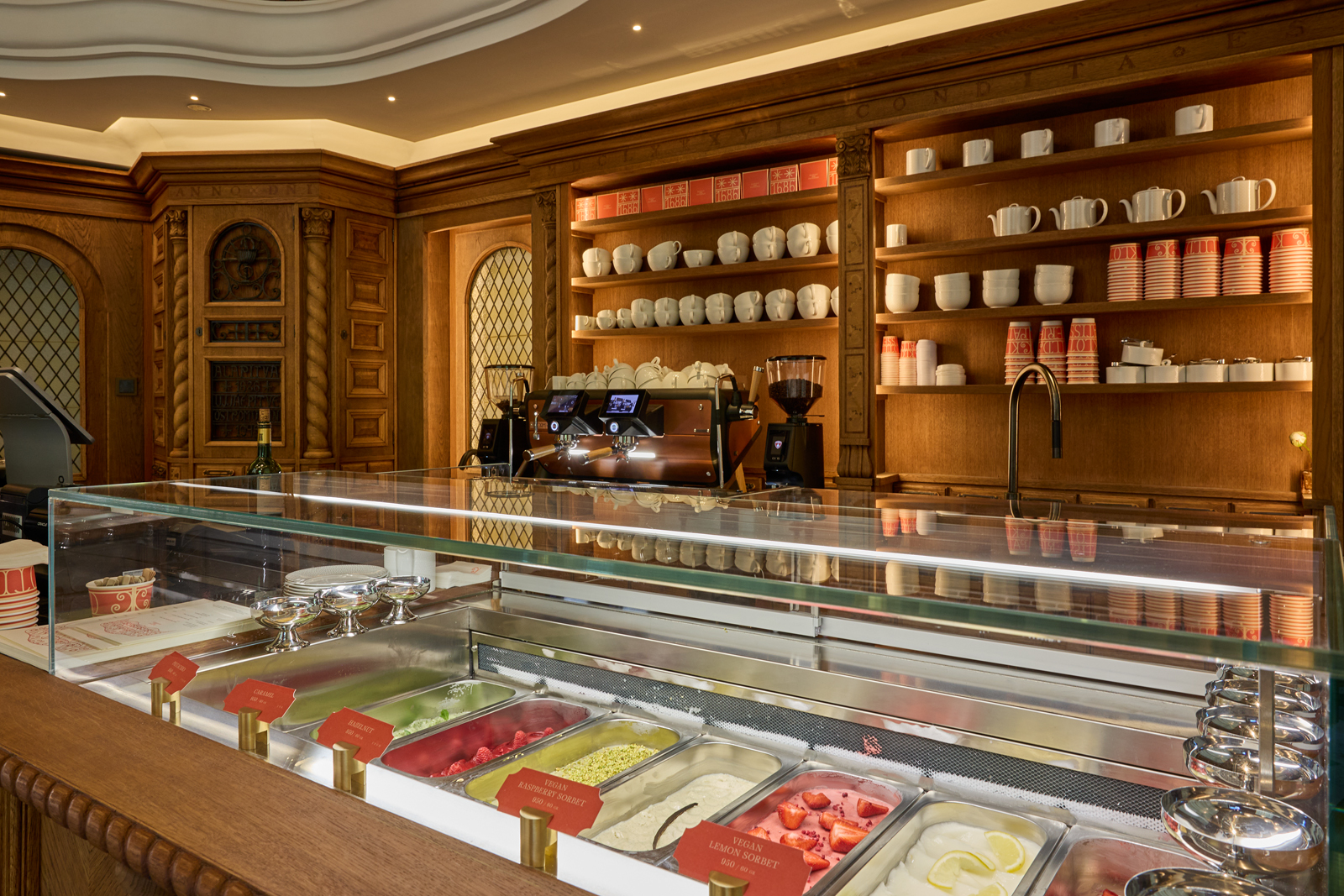
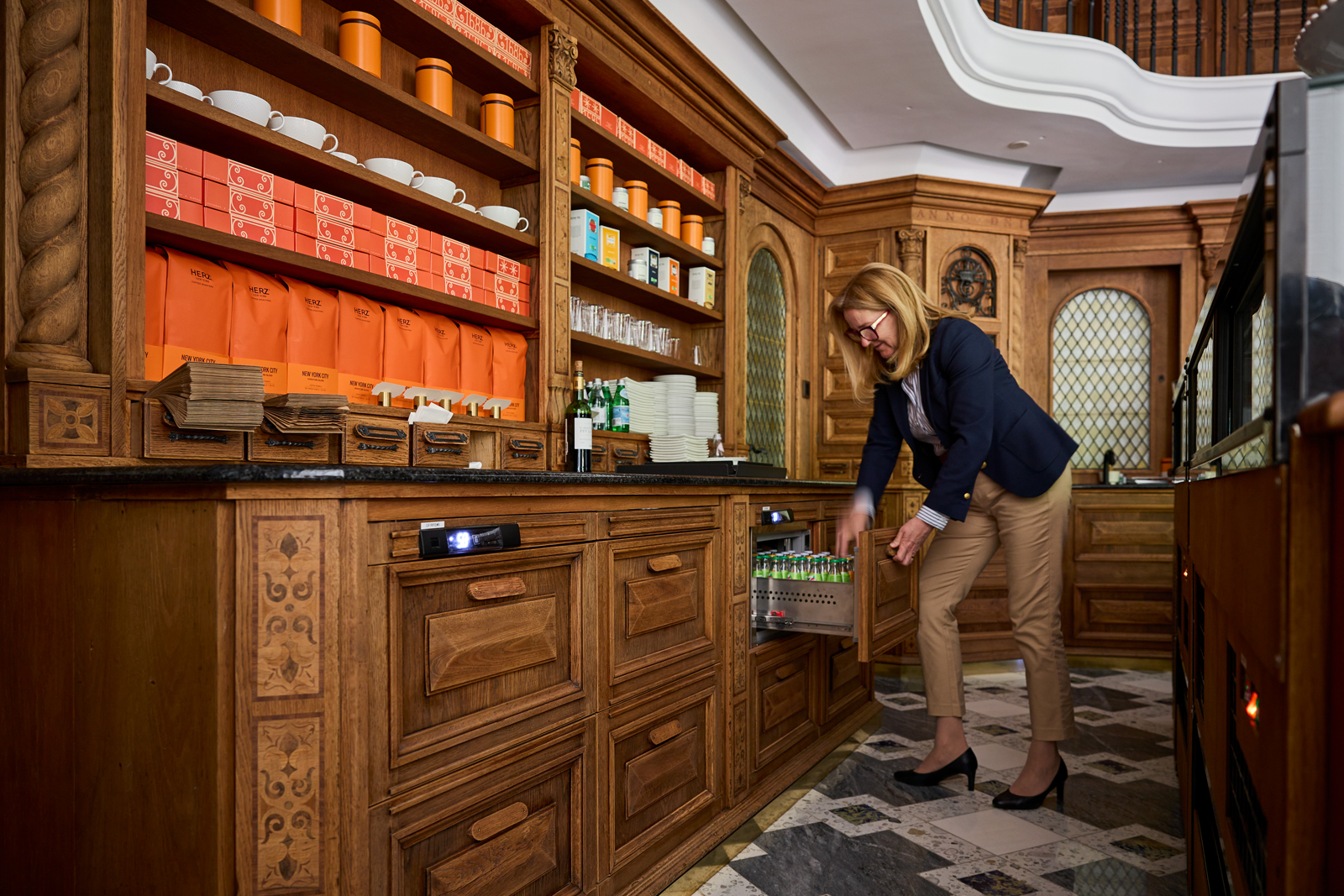
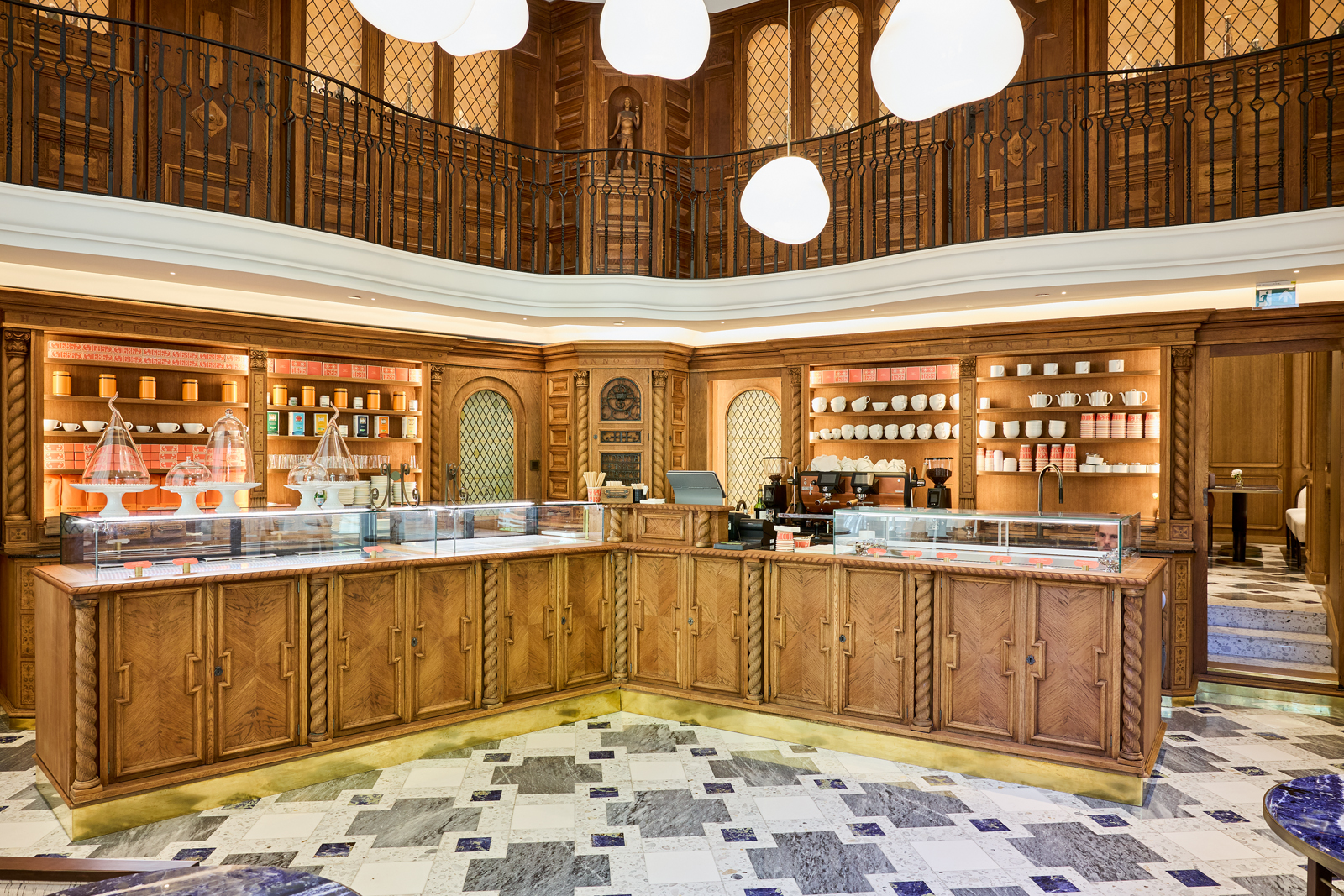
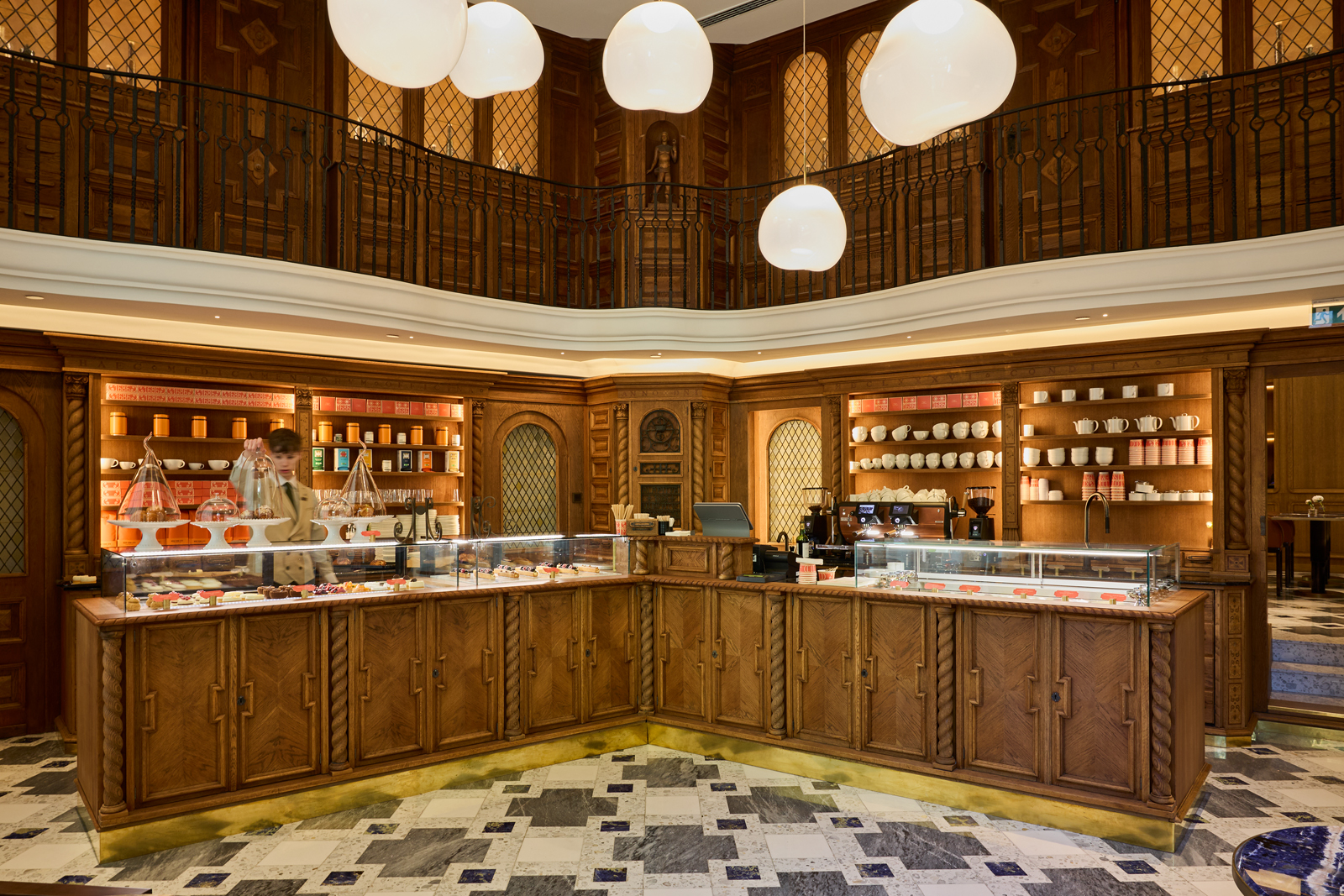
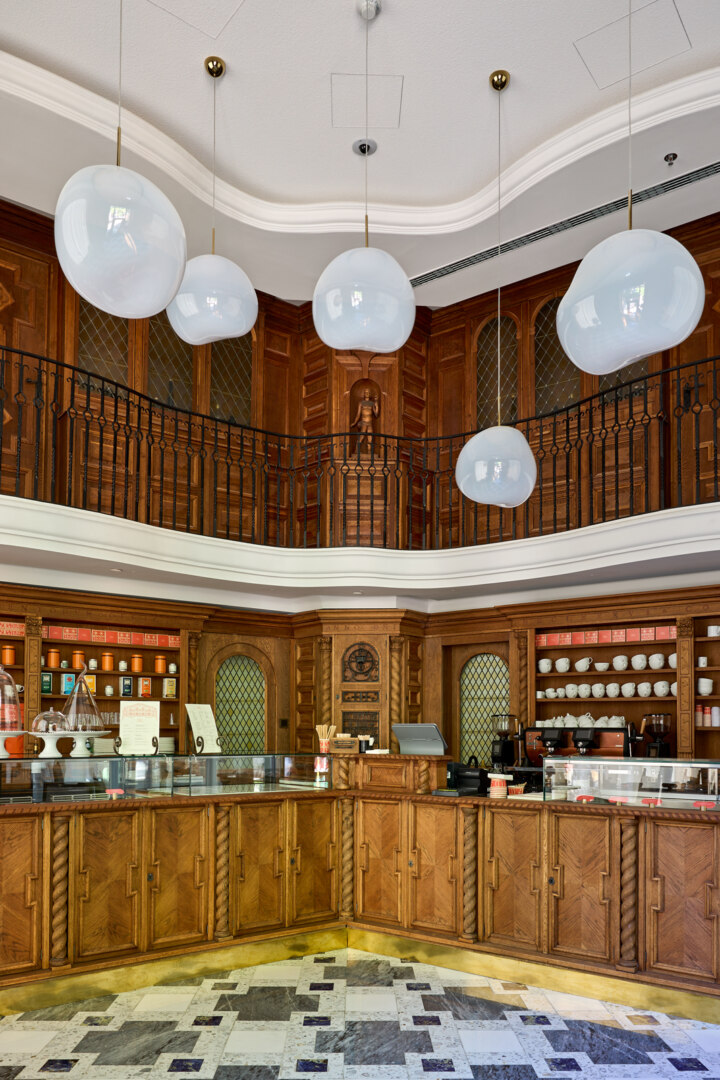
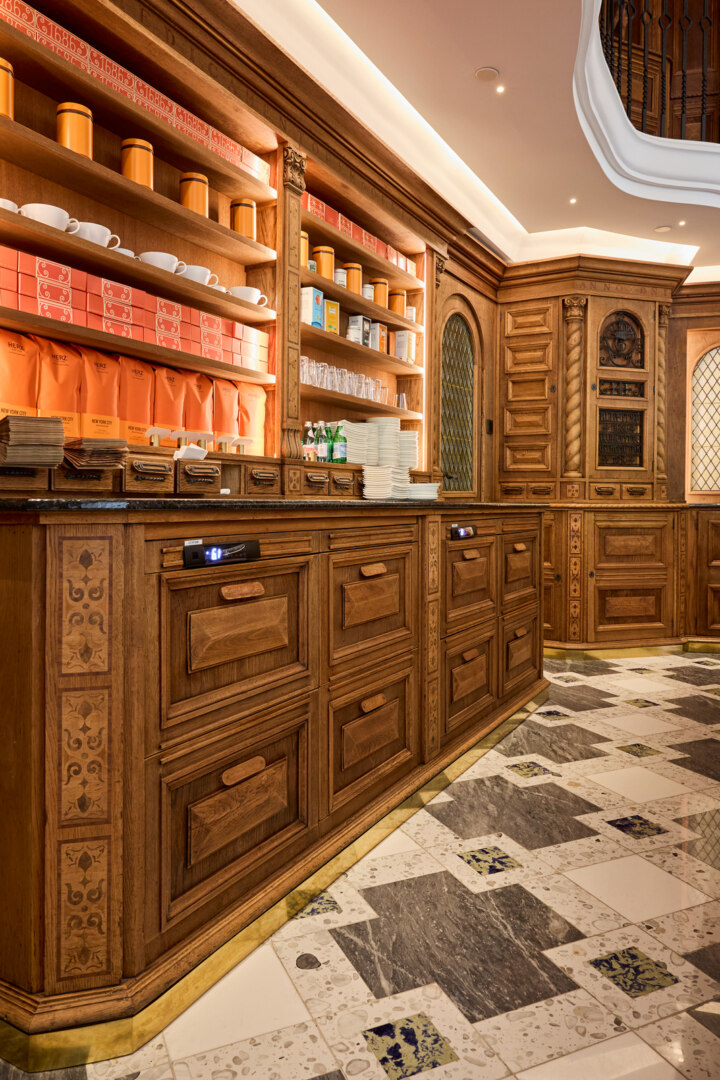
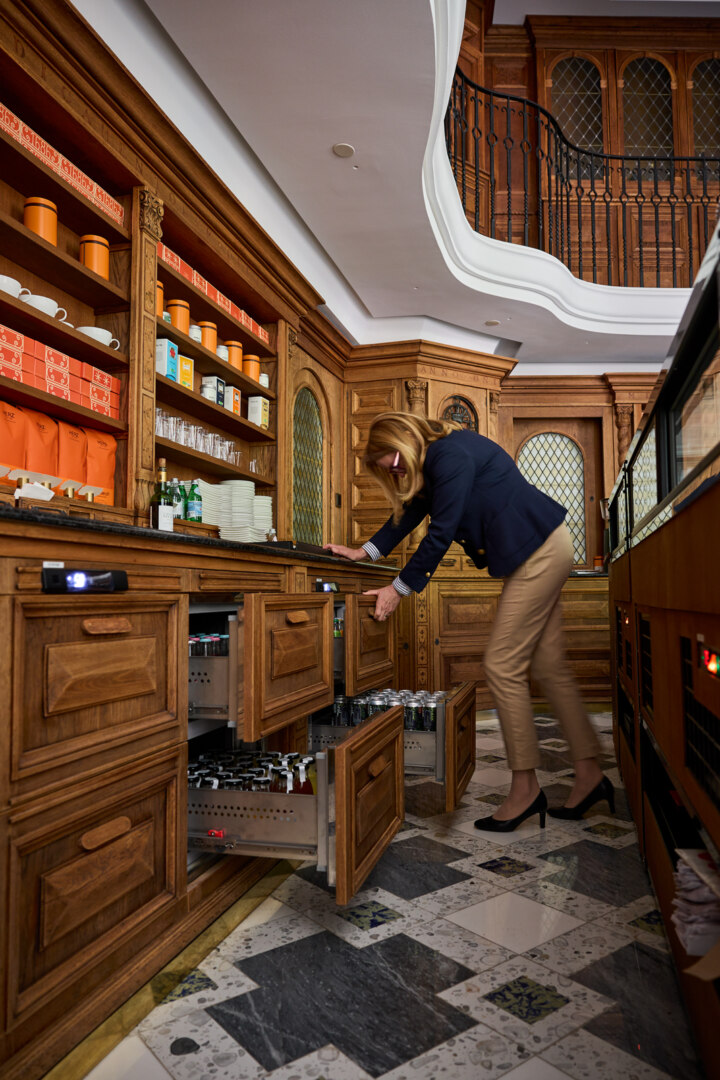
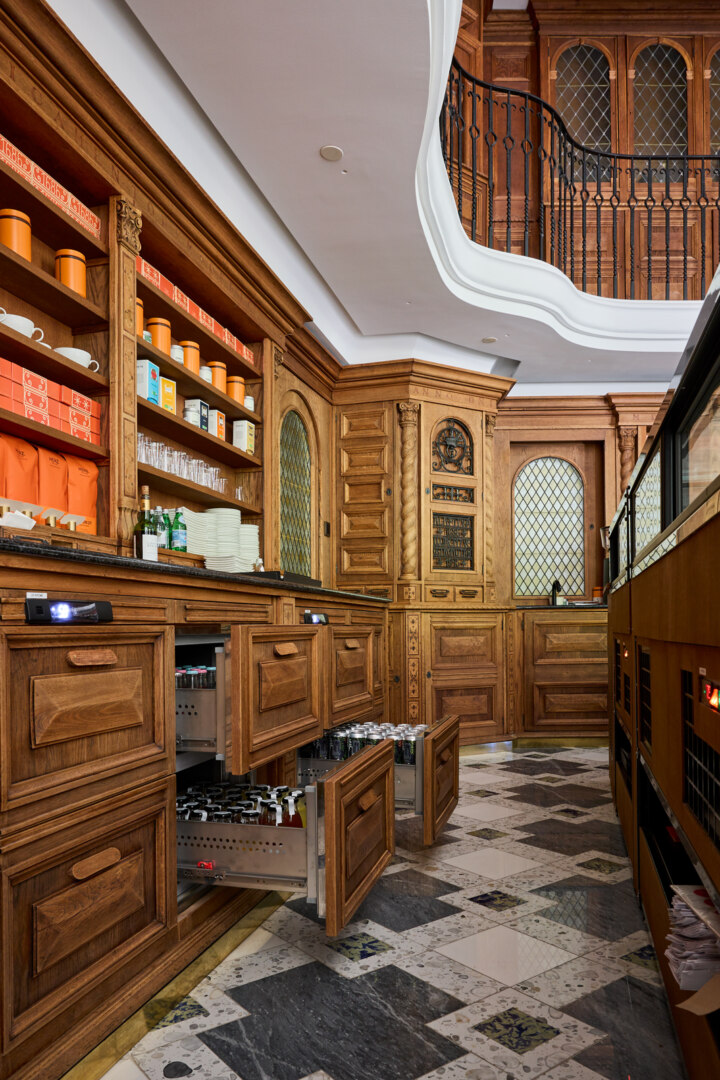
One of the most sensitive areas of the Klotild Palace was the historic pharmacy, which now operates as a pastry shop and café. What makes this space unique is that the original pharmacy furnishings are protected as historic monuments.
“One of the biggest challenges was figuring out how to make the modern cooling technology and the mechanics of the display cases completely invisible.”
Much of the technology was moved to the basement, while the character of the historic interior was preserved in the guest area.
“A great deal of consultation was required with restorers and historic preservation experts to ensure that all technological elements remained fully integrated.”
99 Sushi: when everything changed at the last minute
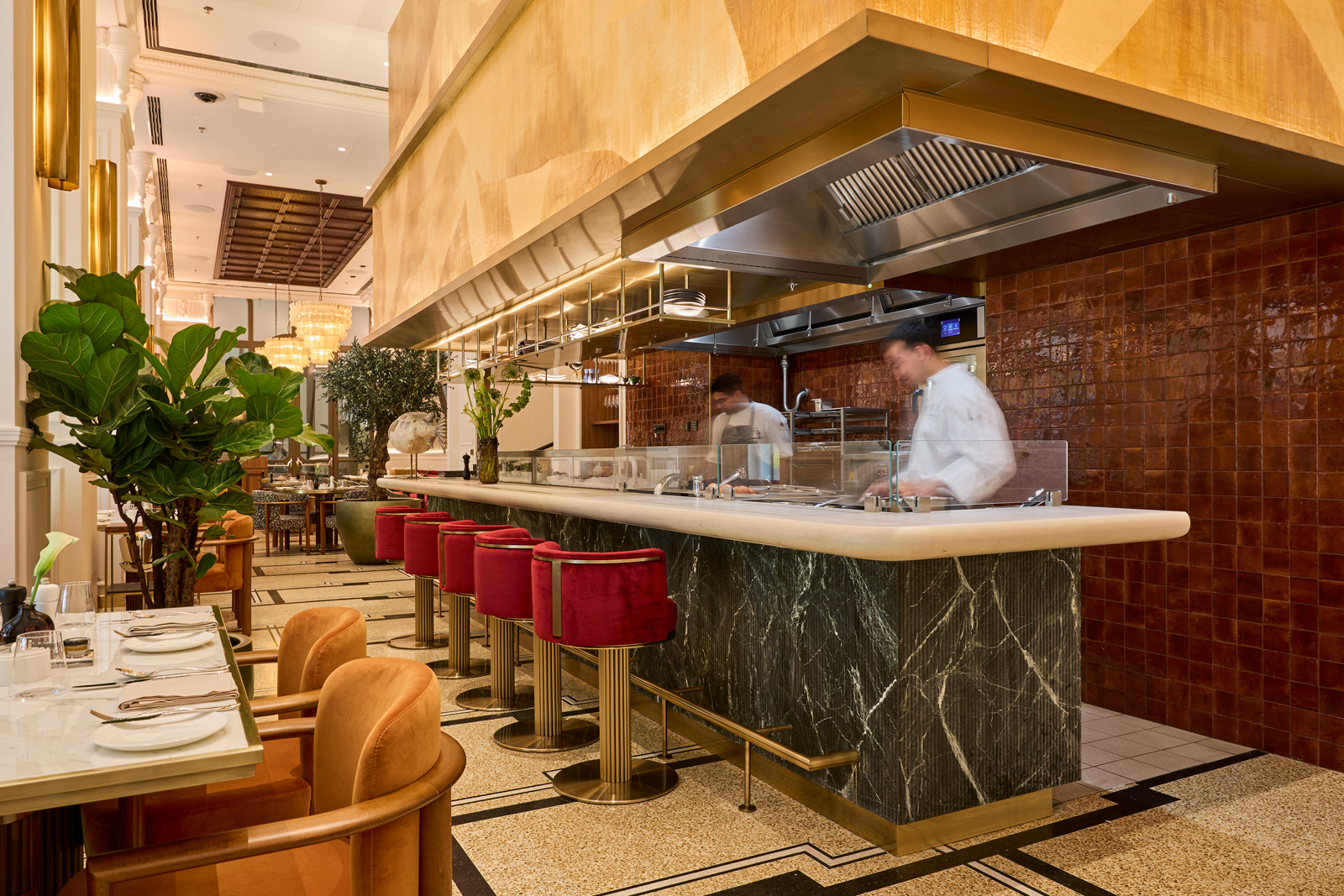
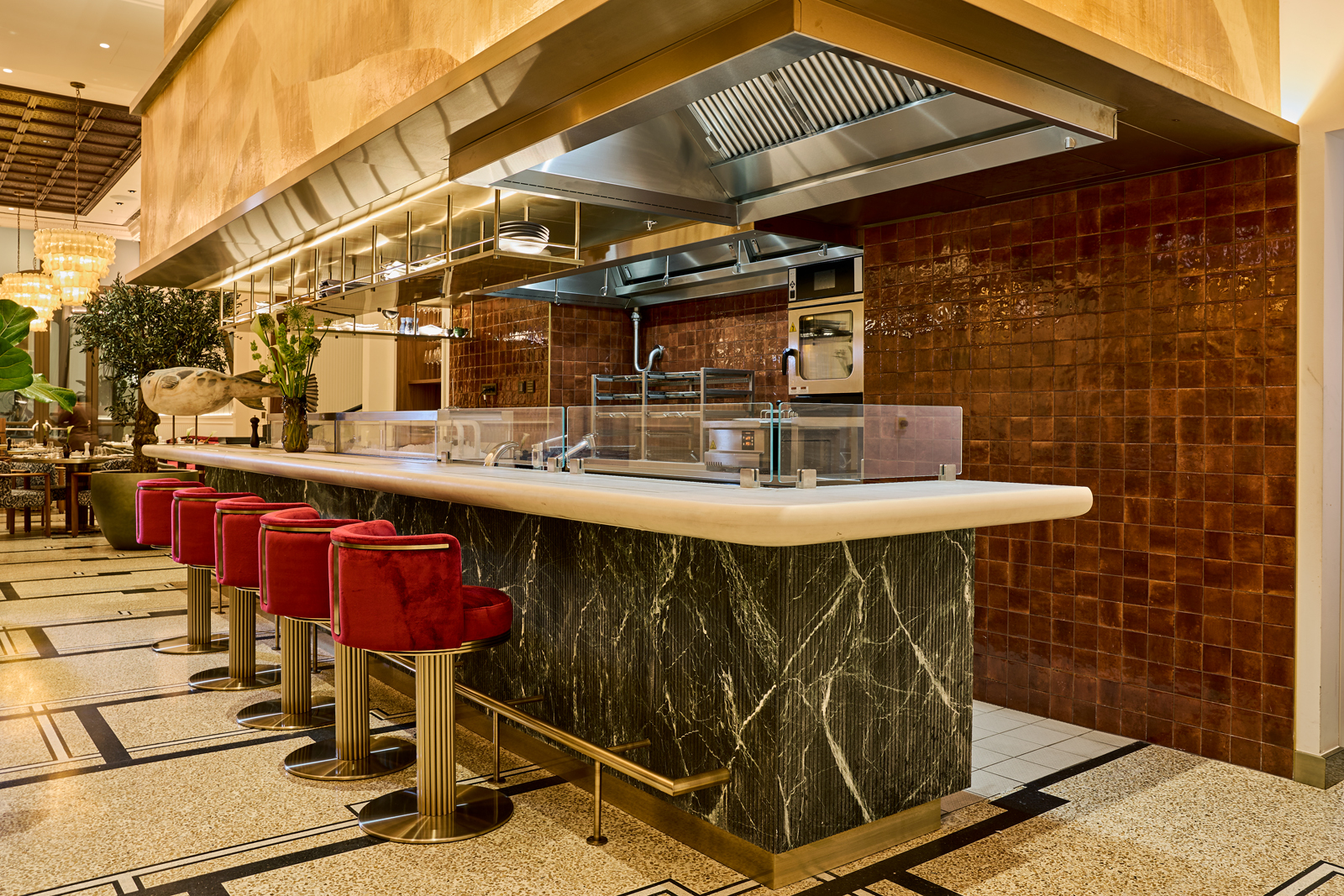
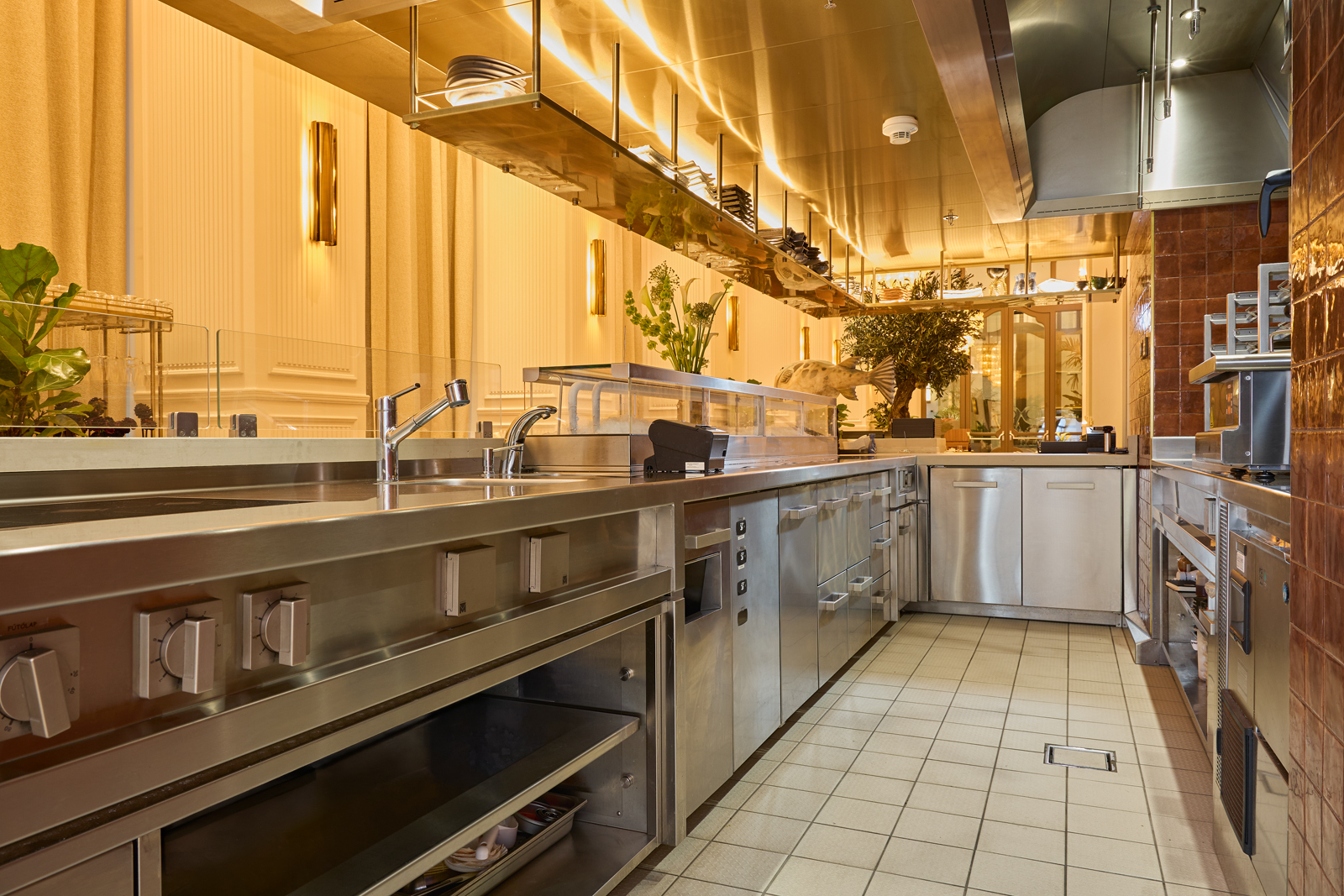
One of the biggest turning points during the project was that the international 99 Sushi chain ultimately replaced the originally planned Mediterranean-brasserie-style all-day dining concept at the hotel. The brand, which has Spanish roots and is now expanding internationally, brought with it entirely new technological requirements.
“It became clear in recent months that 99 Sushi would be the concept, so we had to redesign a lot of things.”
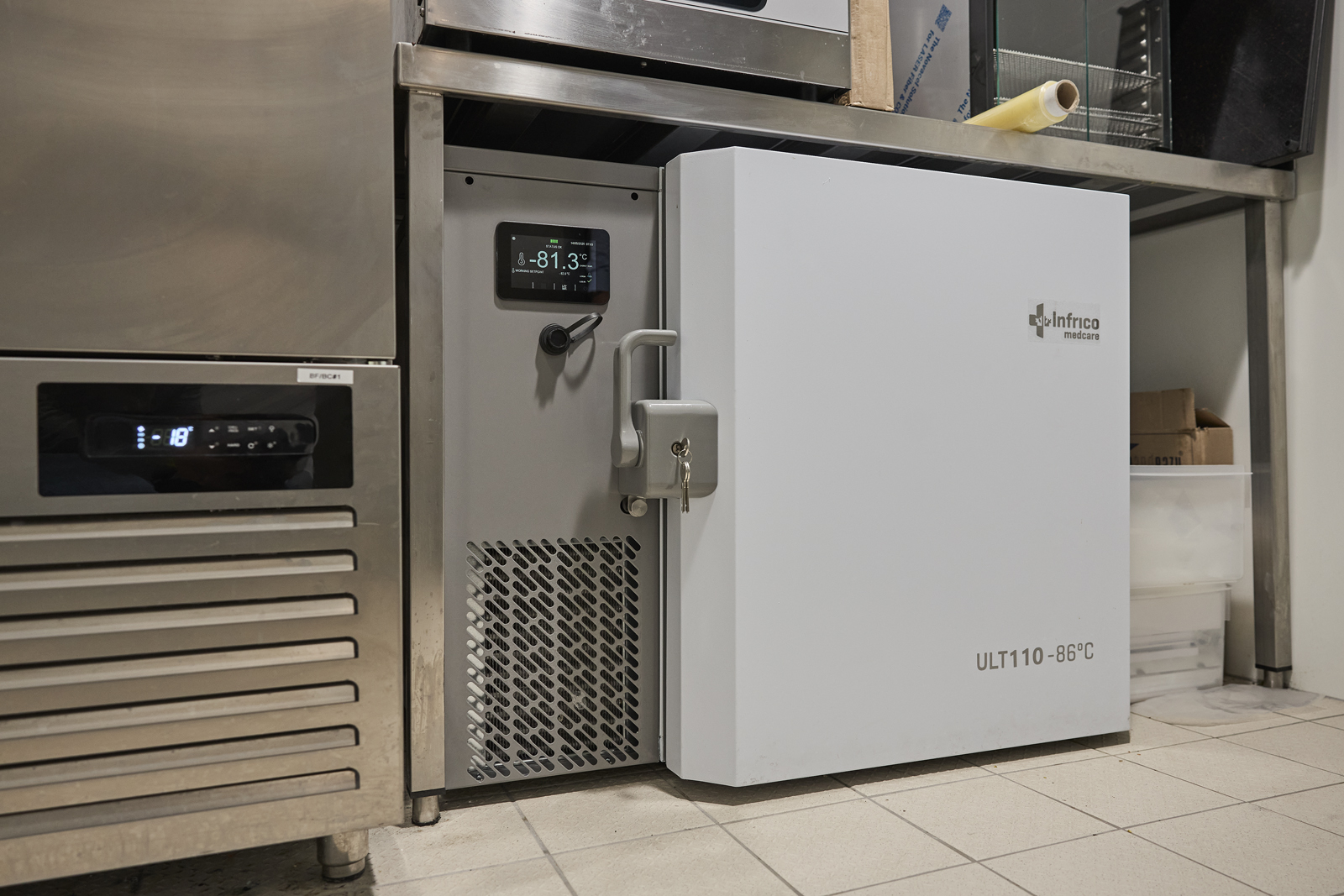
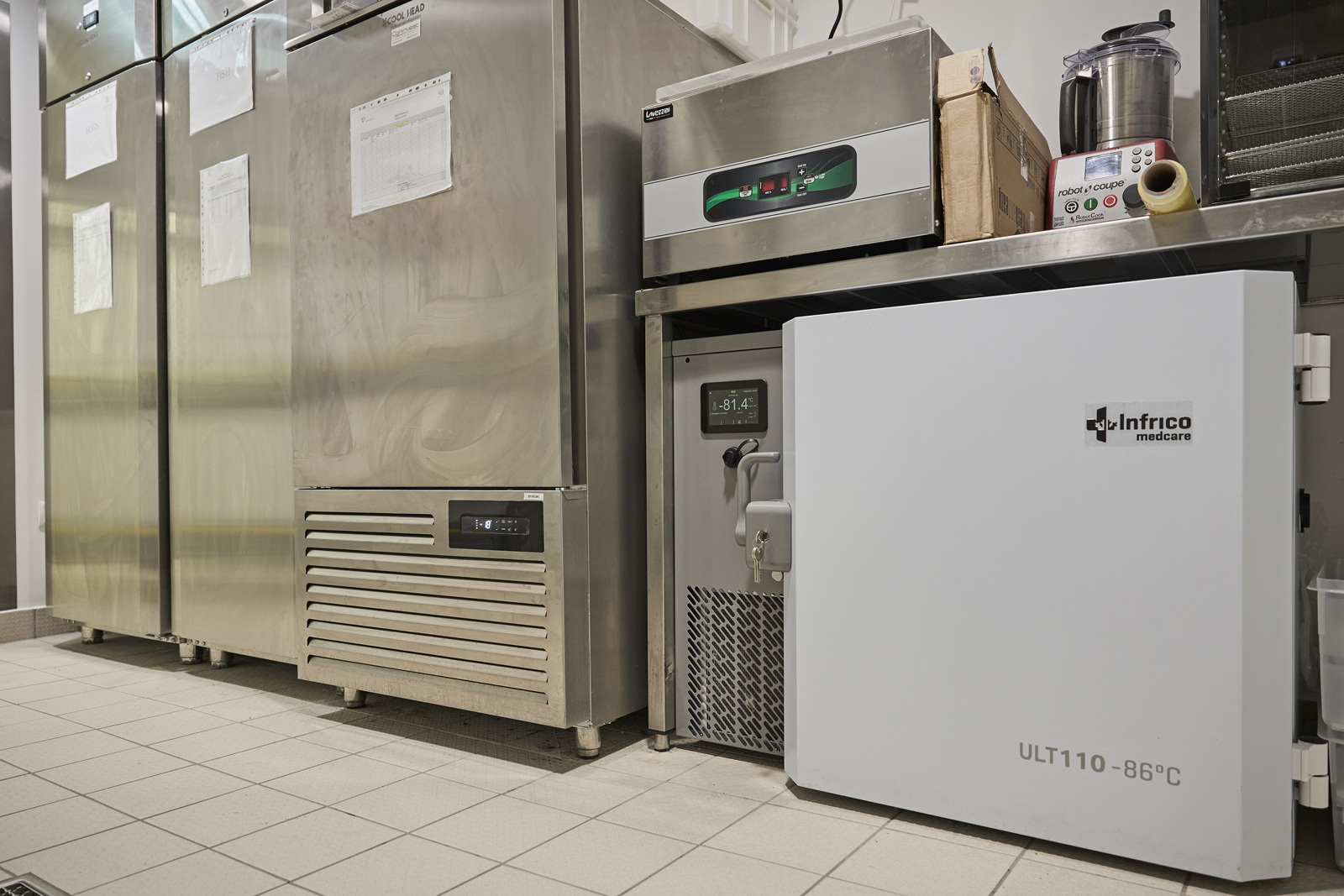
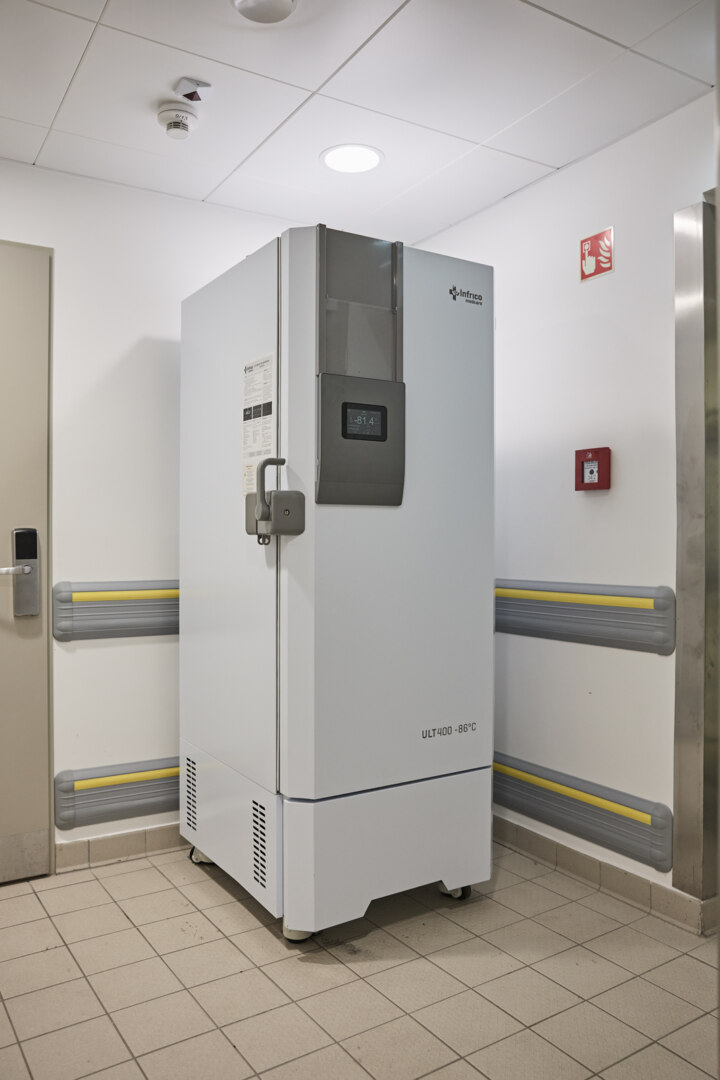
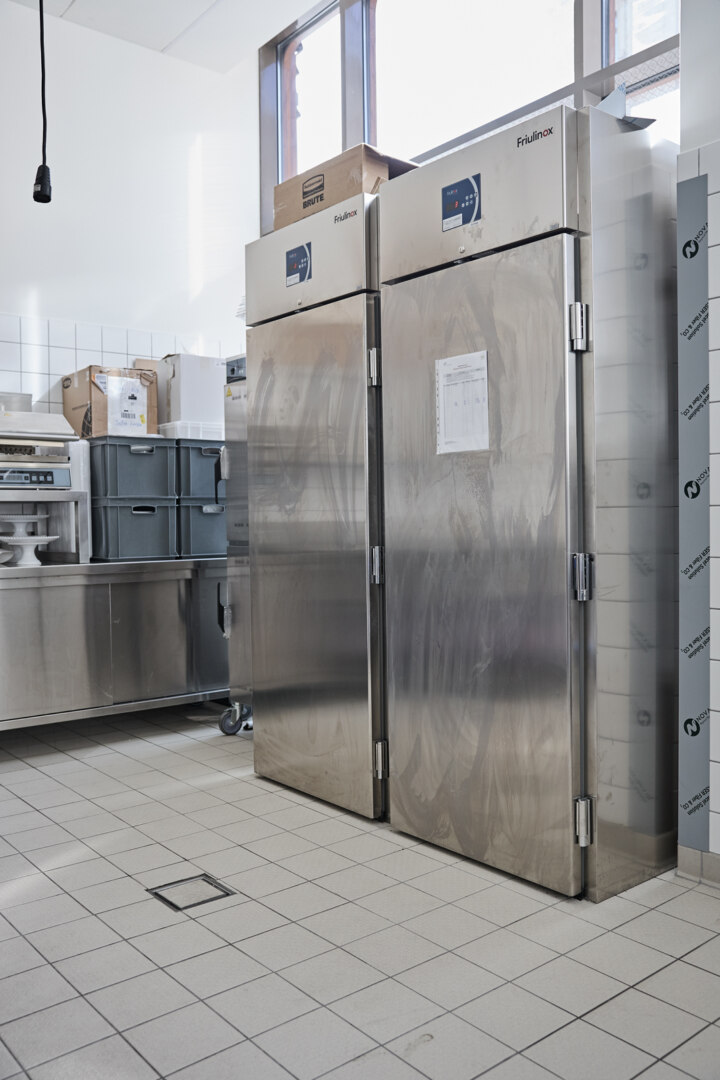
For example, -86-degree laboratory-grade freezers were installed in the back-of-house areas, which are necessary for the safe storage of sushi ingredients.
“This is essentially laboratory technology.”
Luxury with compromises
Although the project was a premium-category development, continuous cost optimization was also necessary during the design phase. Coninvest approached the system with a strategic mindset: they employed state-of-the-art technology at the most critical points, while streamlining costs in other areas.
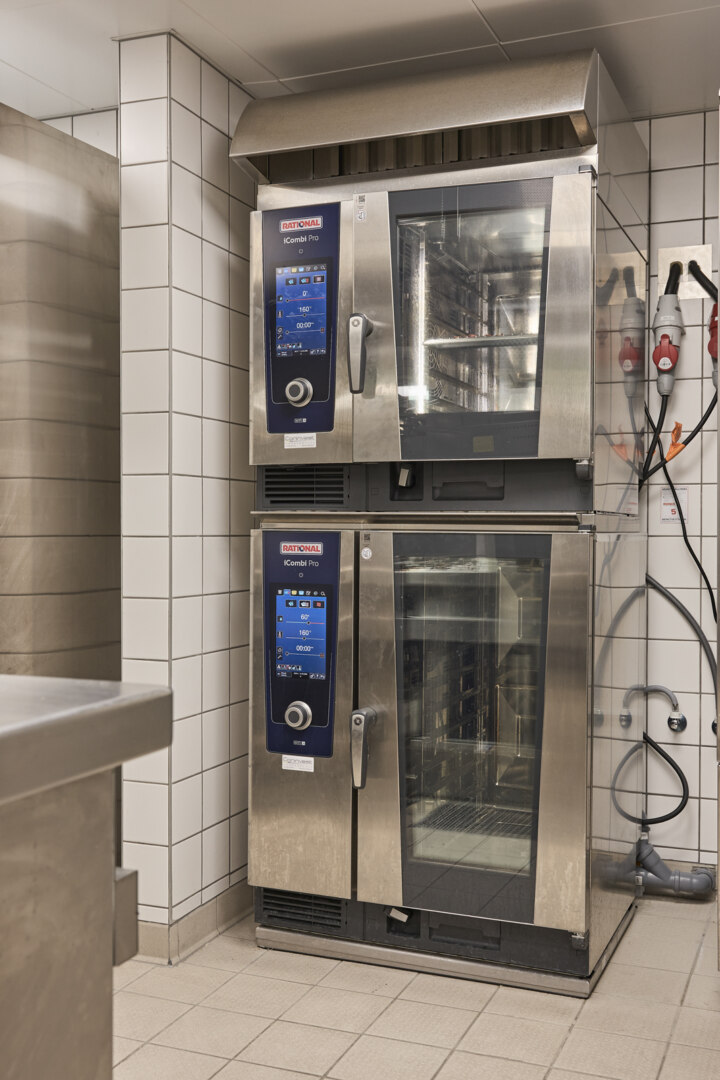
“Cooking technology, dishwashing, and high-load systems received the most robust solutions. These are the elements where no compromises can be made in the long term.”
Not just a kitchen, but a dramaturgy behind the scenes
The St. Regis Budapest project clearly demonstrates that the operation of a modern luxury hotel today involves much more than just spectacular interiors. Behind the scenes, a complex infrastructure operates that must simultaneously meet the requirements of a historic setting, international luxury standards, daily guest traffic of several hundred people, and continuous operational demands.
For Coninvest, this project was not just another hotel job, but a multi-year, constantly evolving system design task carried out through international collaboration.
“At a place like this, guests only see the end result. We, however, know exactly how many routes, technologies, compromises, and engineering decisions are at work behind the scenes to ensure that everything runs smoothly.”