This is how Coninvest implemented the project’s technological infrastructure
When an Italian luxury gastronomic brand with a history spanning more than two hundred years opens a new location, it’s not just an elegant dining space that comes to life. Behind the scenes, there’s a technological system at work, every element of which must meet the same standards of quality as those in Milan, Paris, or Hong Kong.
In the case of Cova Budapest, this was further complicated by the fact that the café is located in the historic Matild Palace building, where international brand standards had to be adapted to both the historic setting and the operations of a five-star hotel.
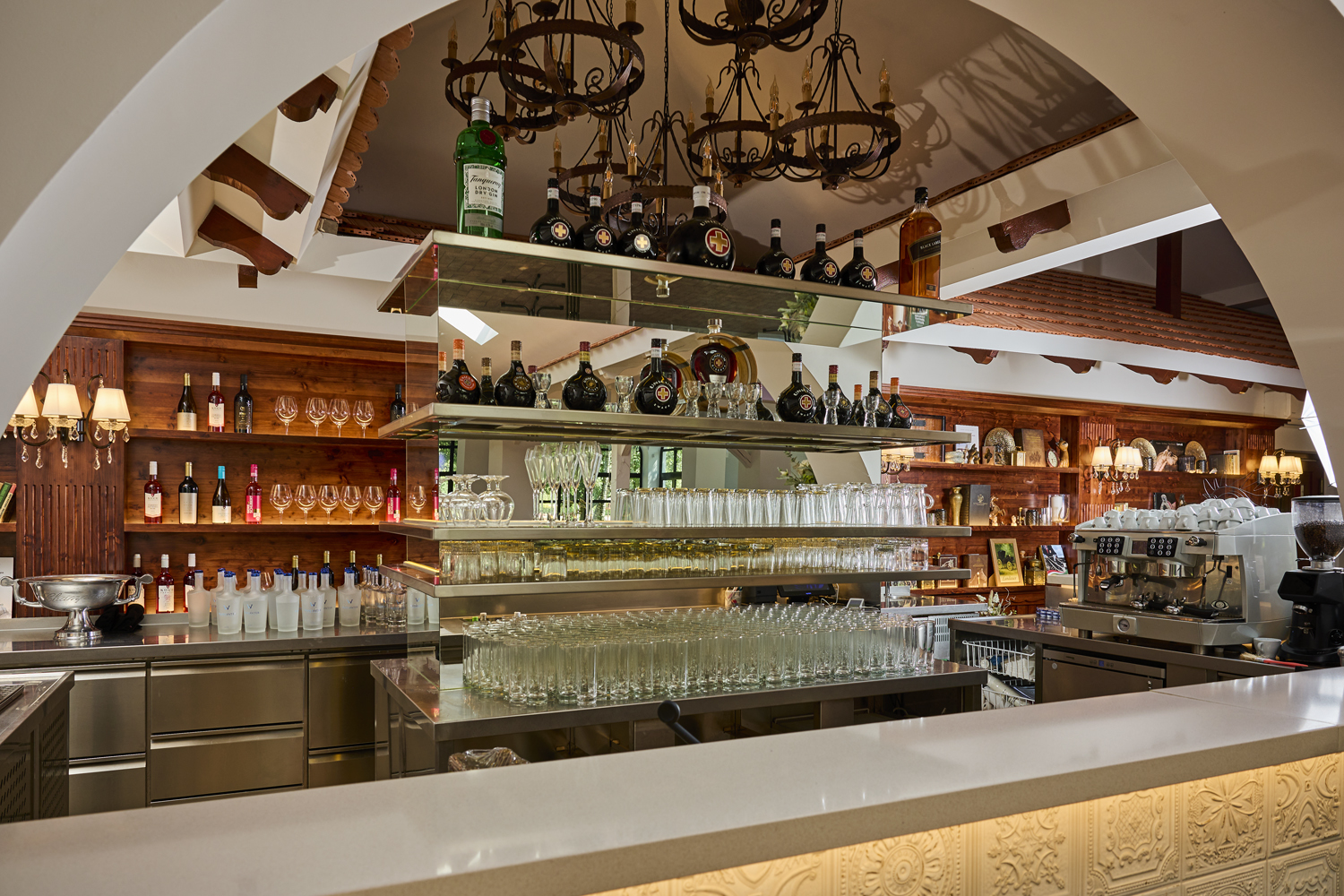
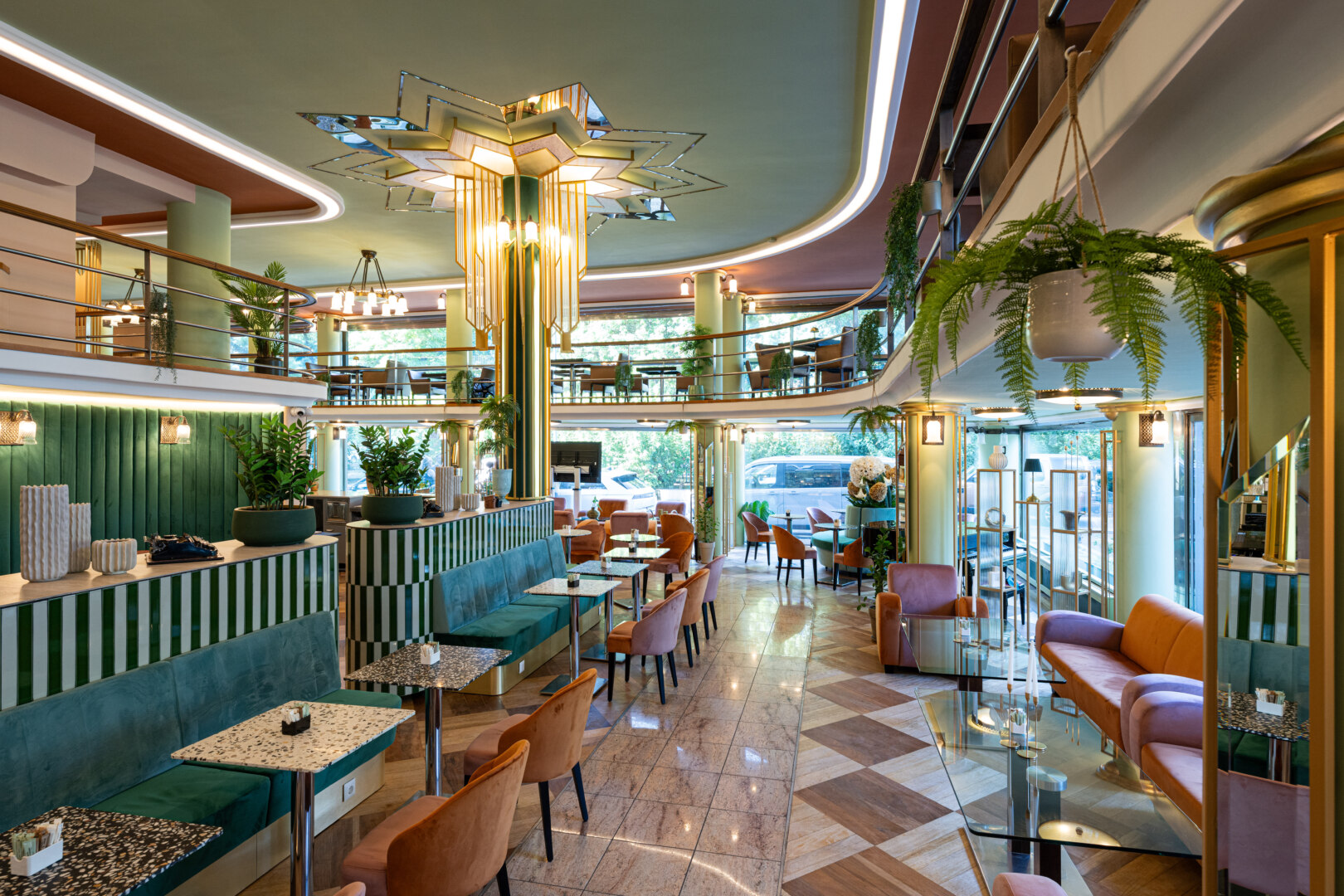
Coninvest’s task was to design a bar and kitchen technology system to complement the interior design concept by Yeşim Kozanlı Architecture & Interior Design—one that would simultaneously ensure Cova’s premium guest experience and the smooth operation of breakfast service at the Matild Palace.
István Dybisewszky has been involved in the design of professional hospitality technologies for nearly three decades. As a lead designer at Coninvest, he has participated in developing the technological concepts for numerous domestic and international hotels, restaurants, and bars. During the Cova Budapest project, he was responsible for designing the bar and kitchen technology systems, which had to simultaneously meet the expectations of an international luxury brand, the operational requirements of a five-star hotel, and the specific conditions of a historic building.
“For us, the Cova Budapest project wasn’t primarily about aesthetics, but rather about how to design an extremely complex operational system in such a way that guests are virtually unaware of it. After all, the best technology operates unnoticed.”
In this article, we’ll show you the technical challenges and solutions behind the technology at Cova Budapest.
Two different concepts, one space
Few restaurants operate in such a multifaceted way.
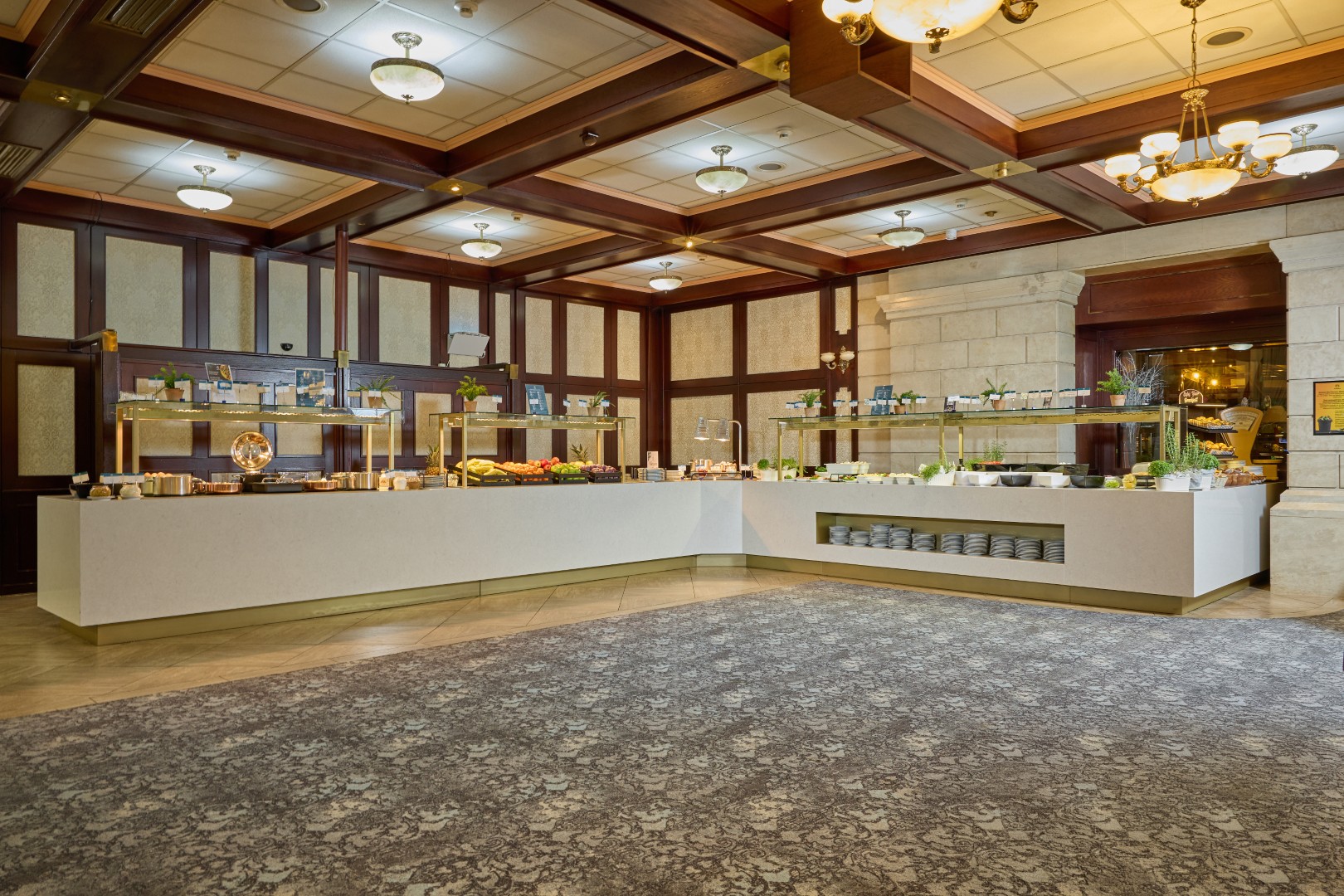
In the morning, the same space serves as the Matild Palace breakfast room; later in the day, it welcomes guests as a classic Italian café. The two functions entail completely different workflows, service rhythms, and technological requirements, yet they must operate flawlessly within the same location.
“We didn’t just have to design a Cova café. We designed a system capable of serving both the hotel’s breakfast service and Cova’s daily operations to a high standard,” summarizes Mirjam Kertész, founder and owner of Coninvest.
It was precisely this duality that defined the entire project.
Three counters, three different functions
The operation is based on three independent service units.
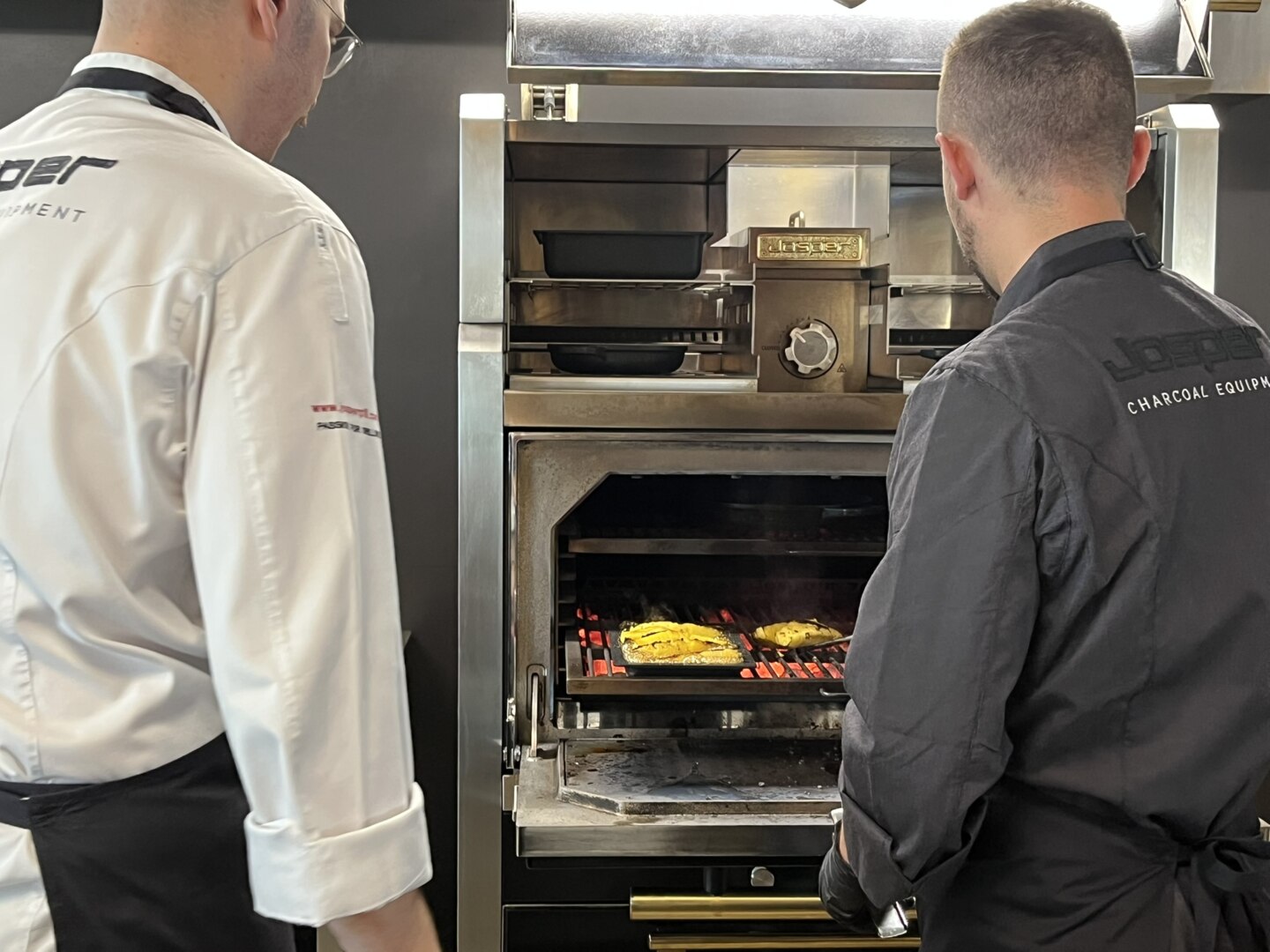
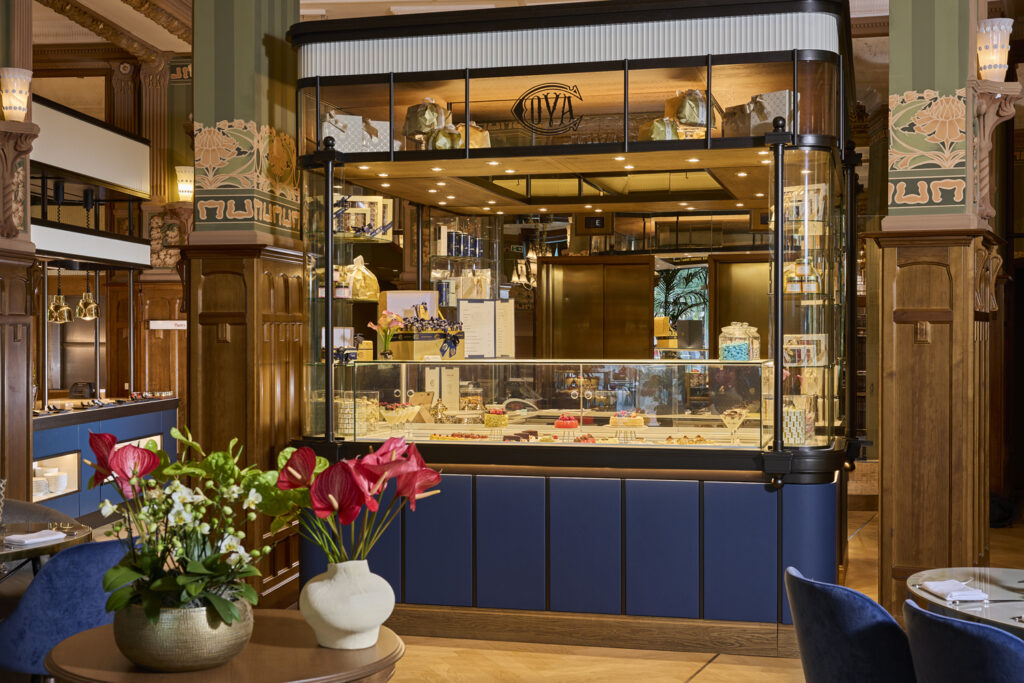
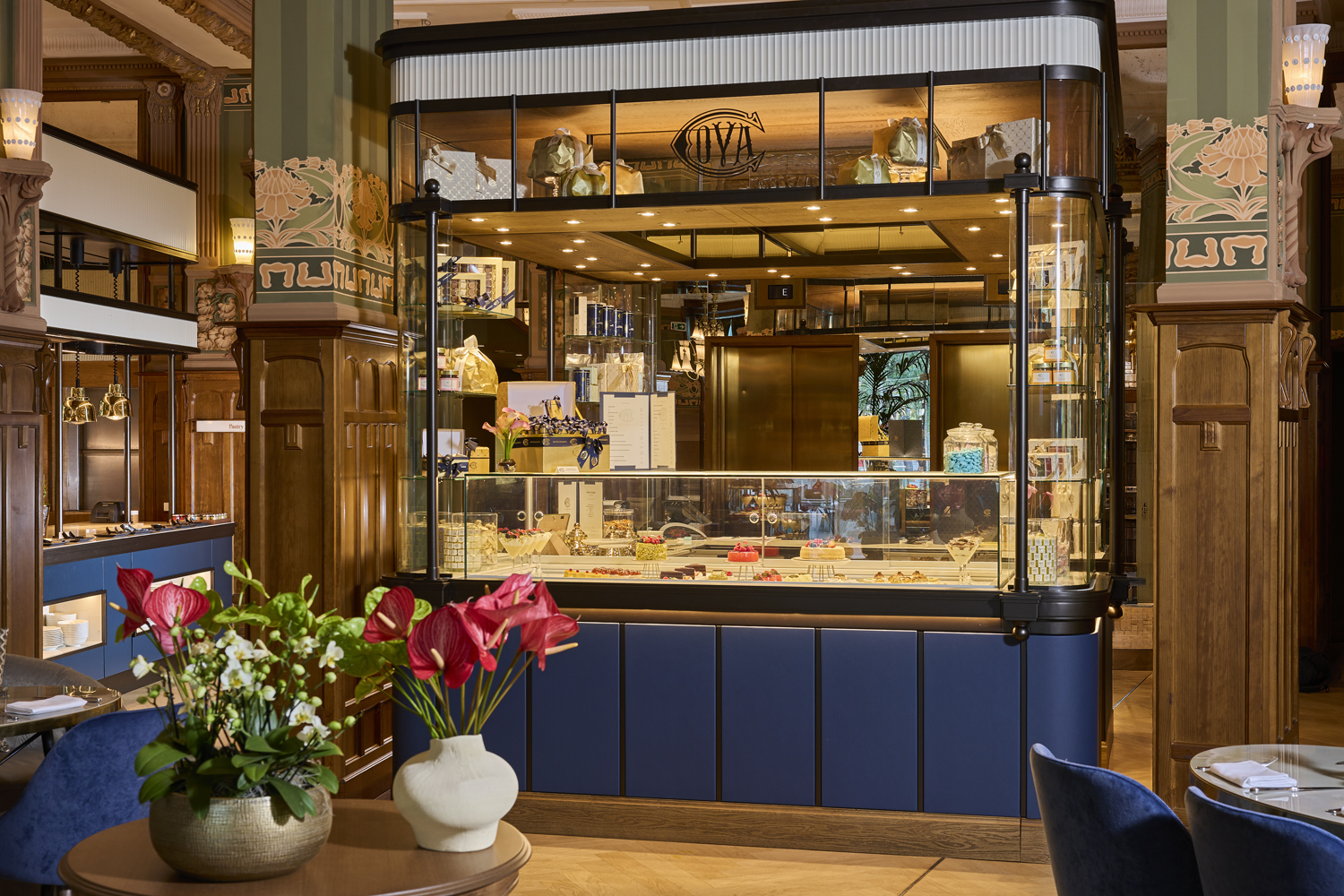
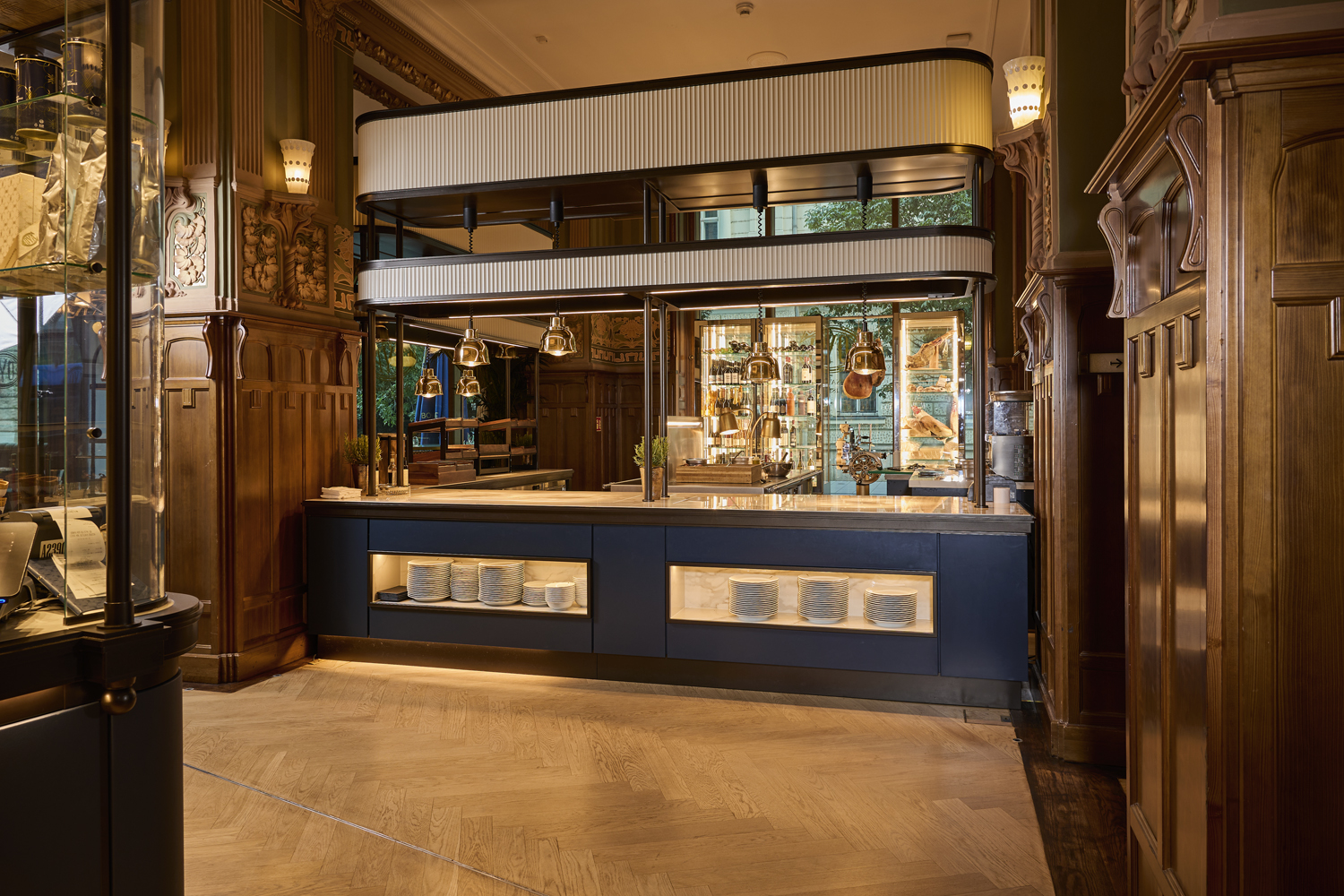
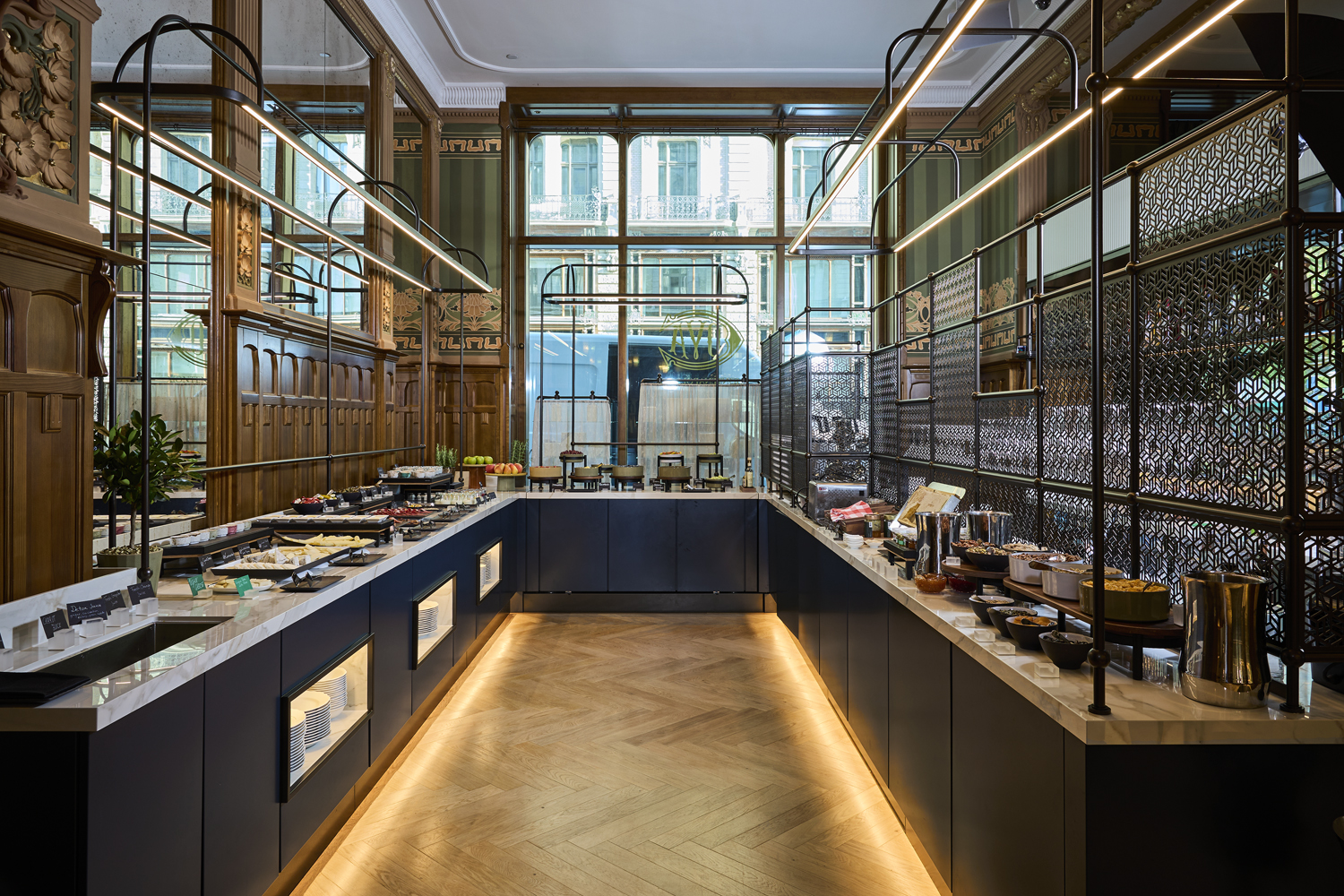
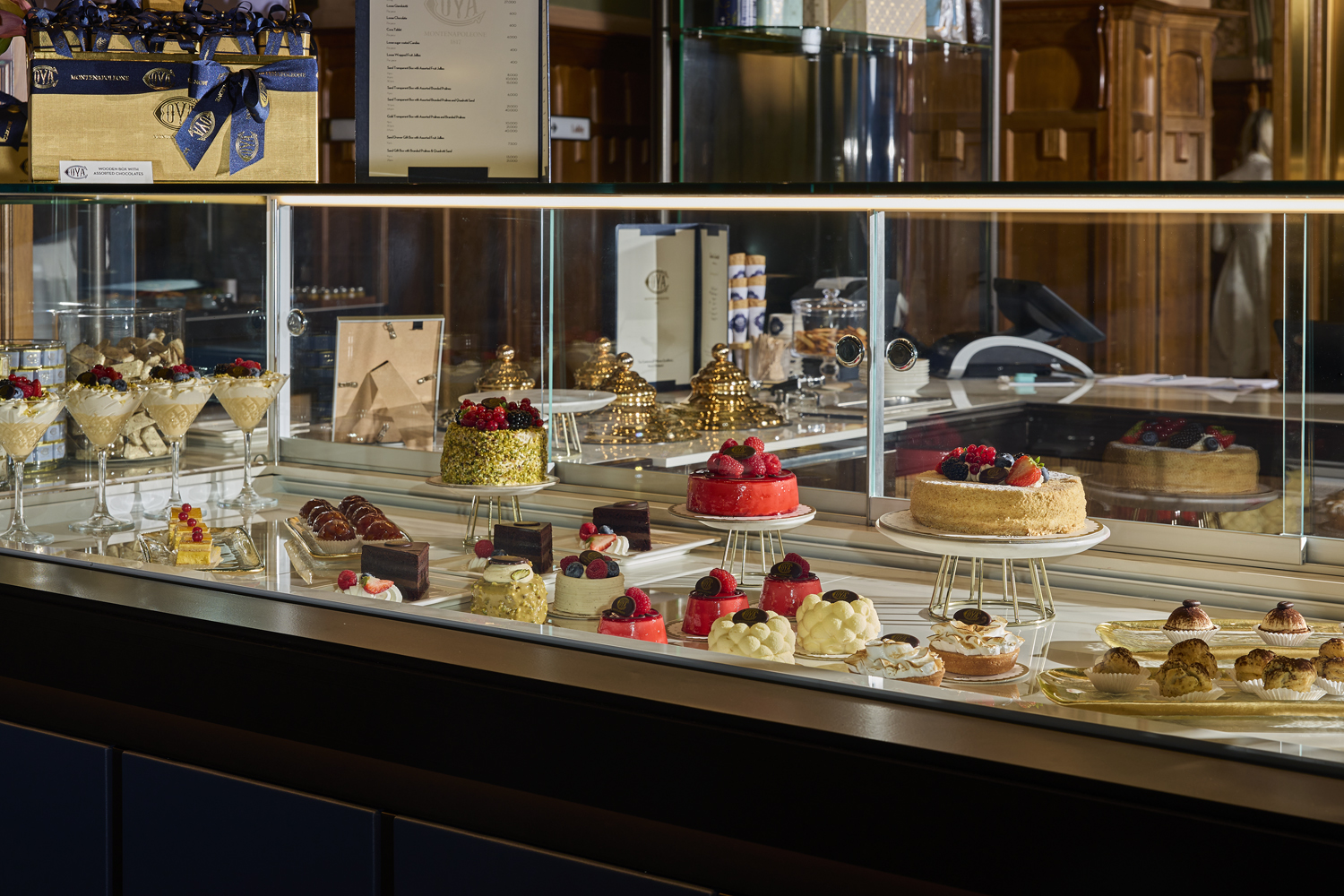
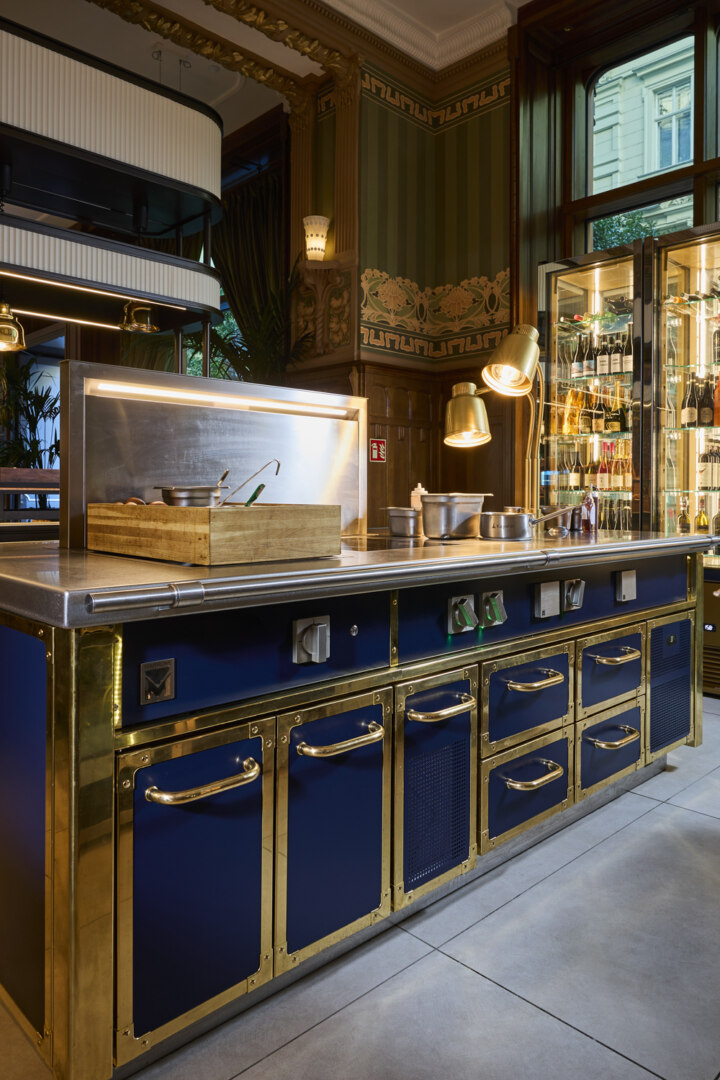
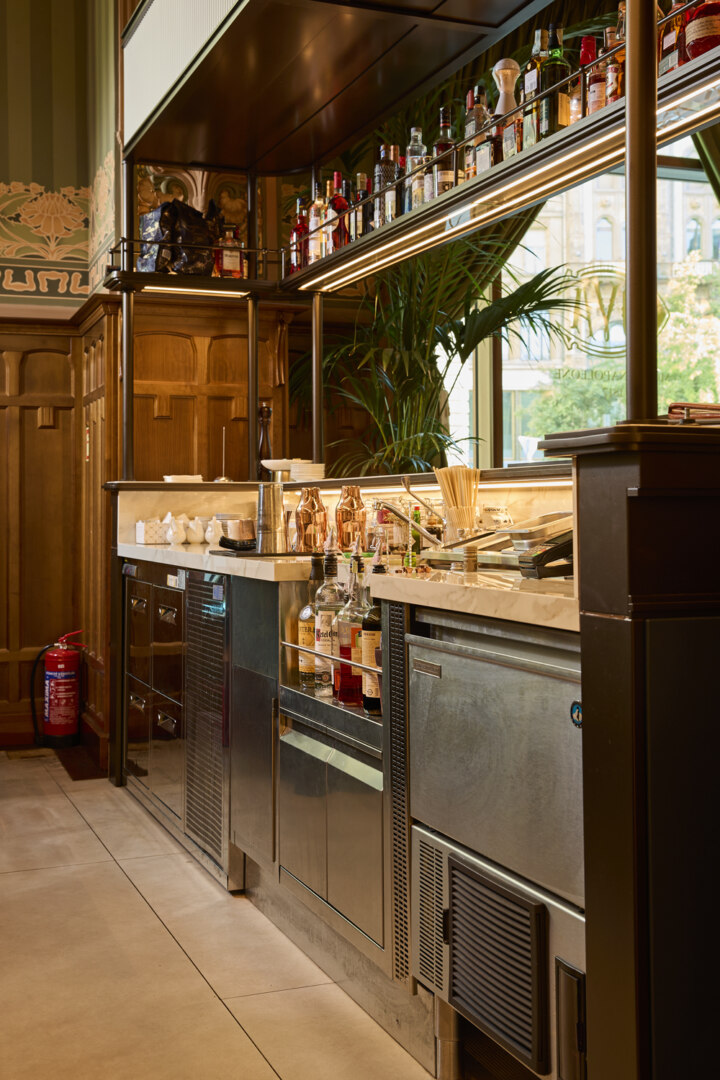
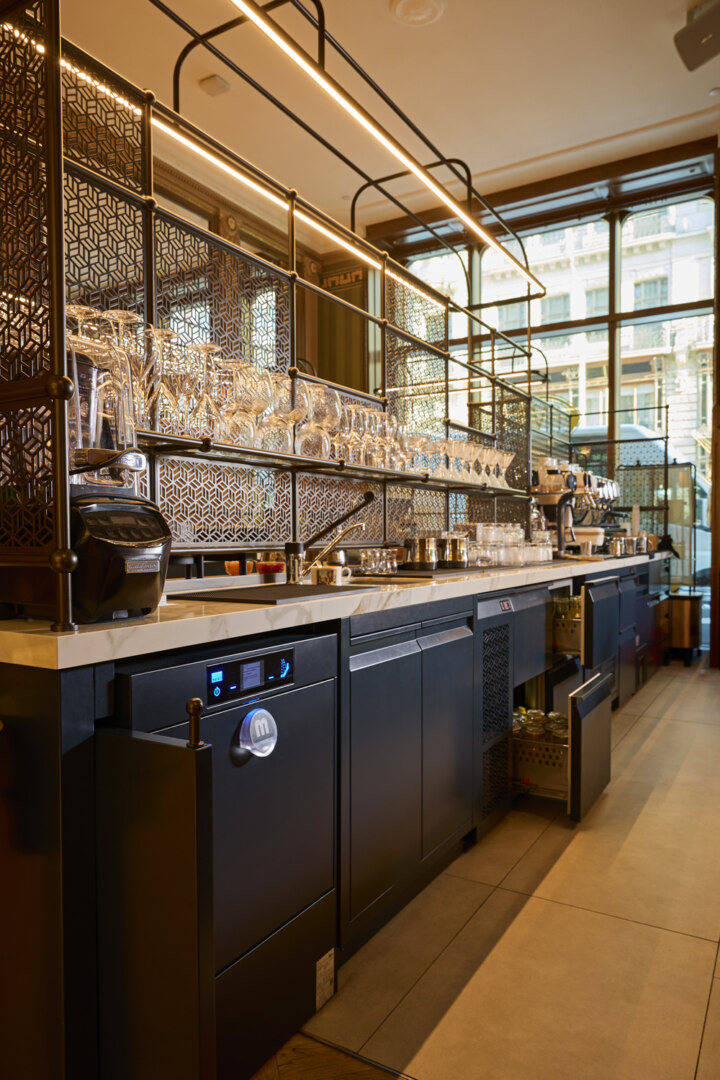
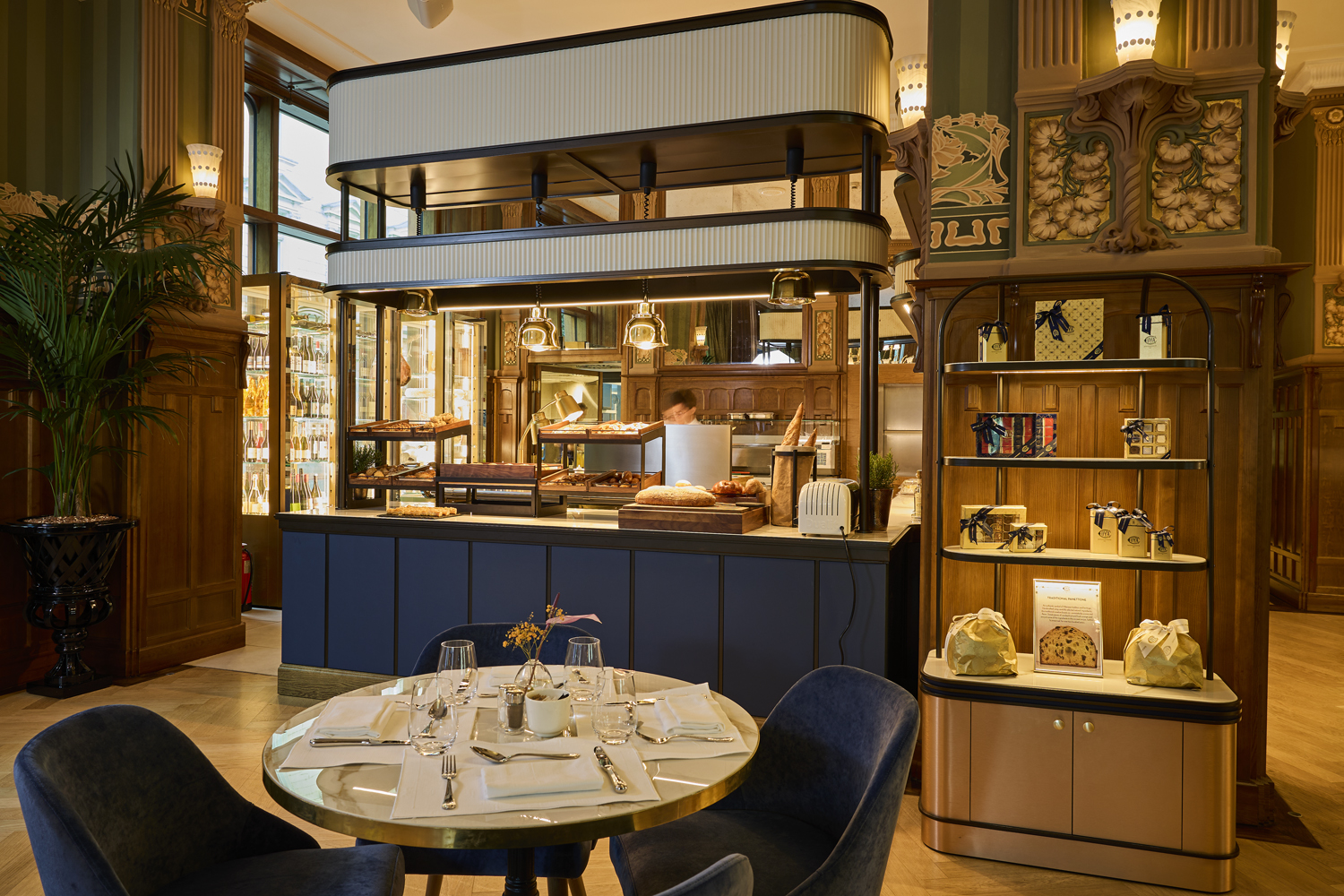
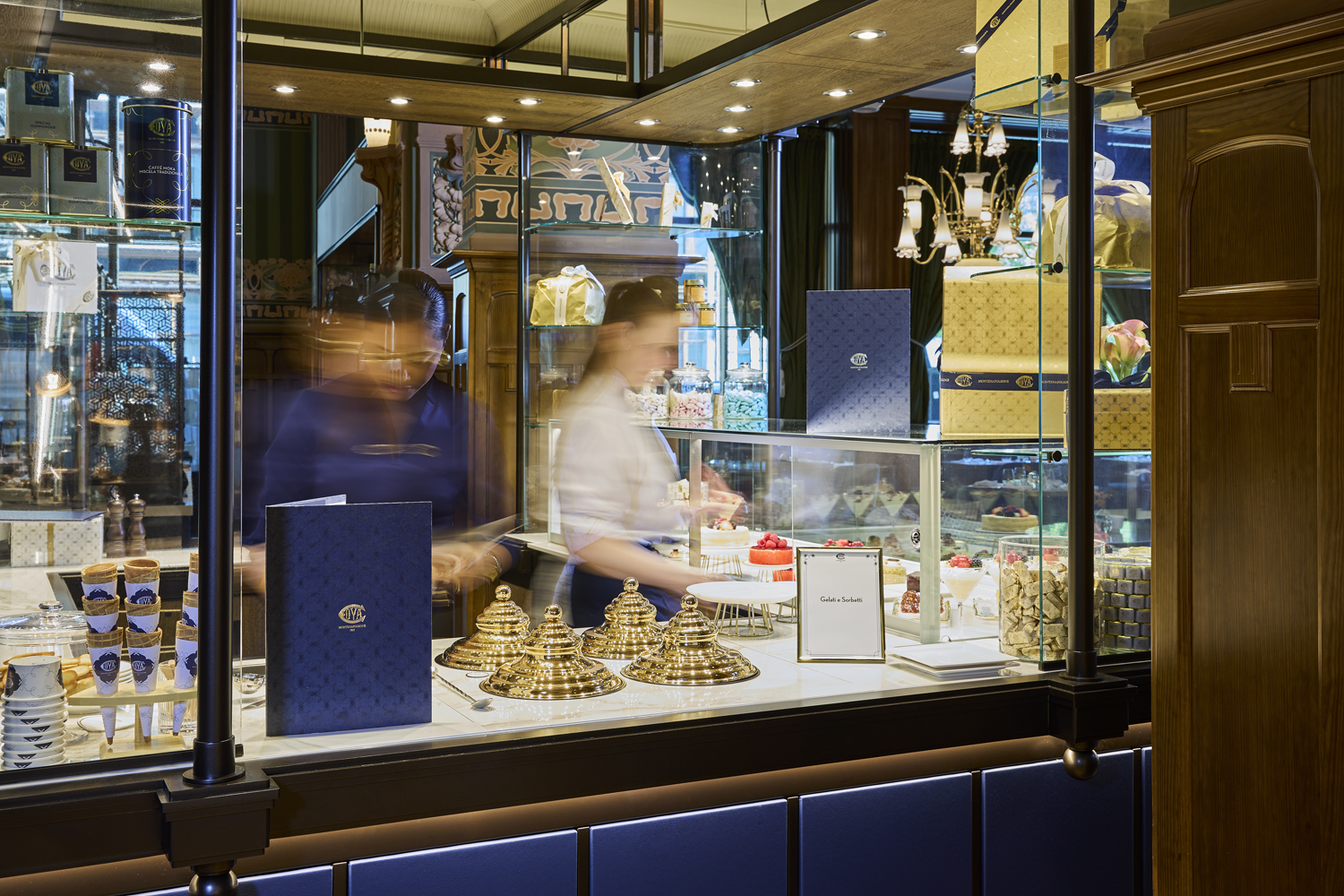
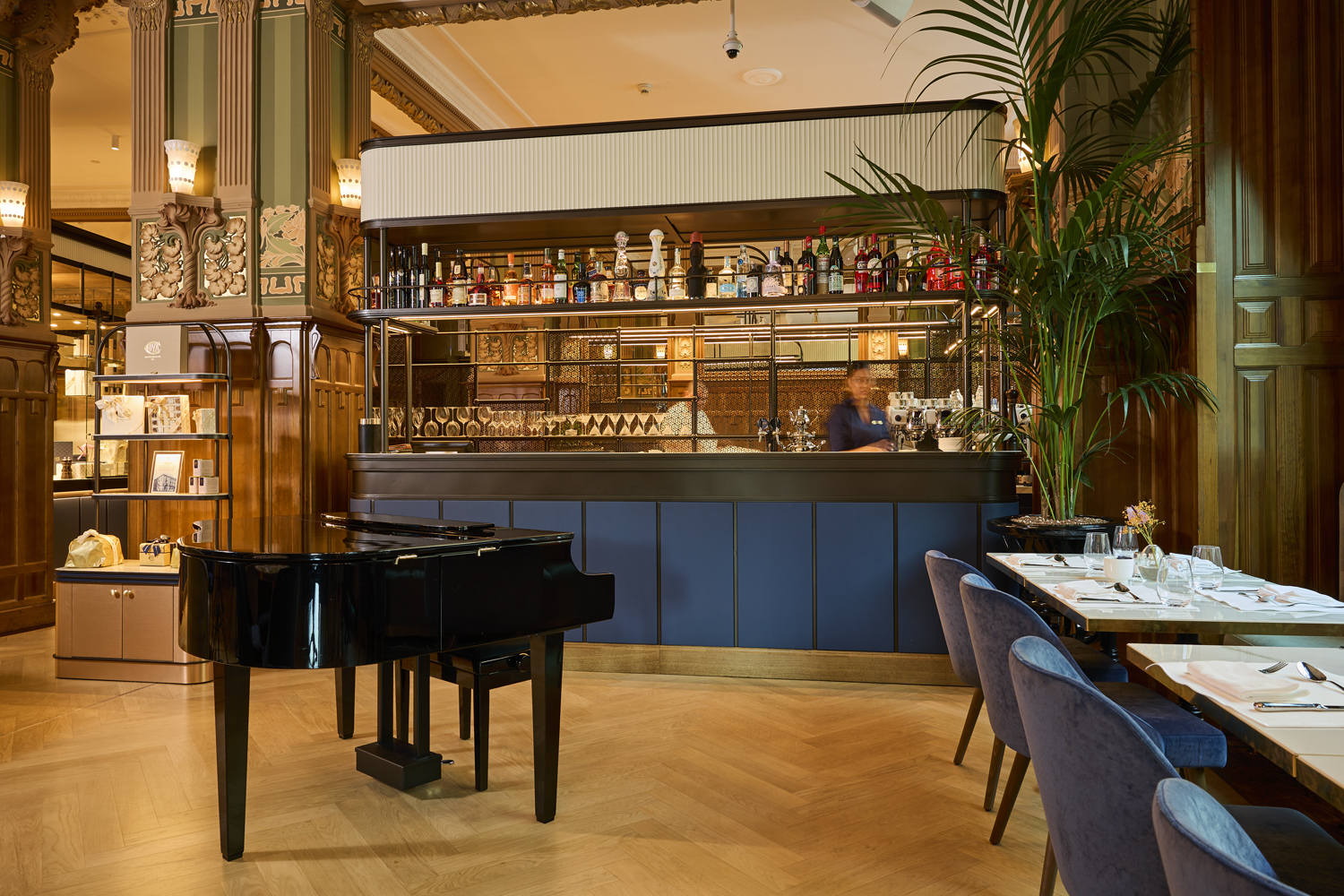
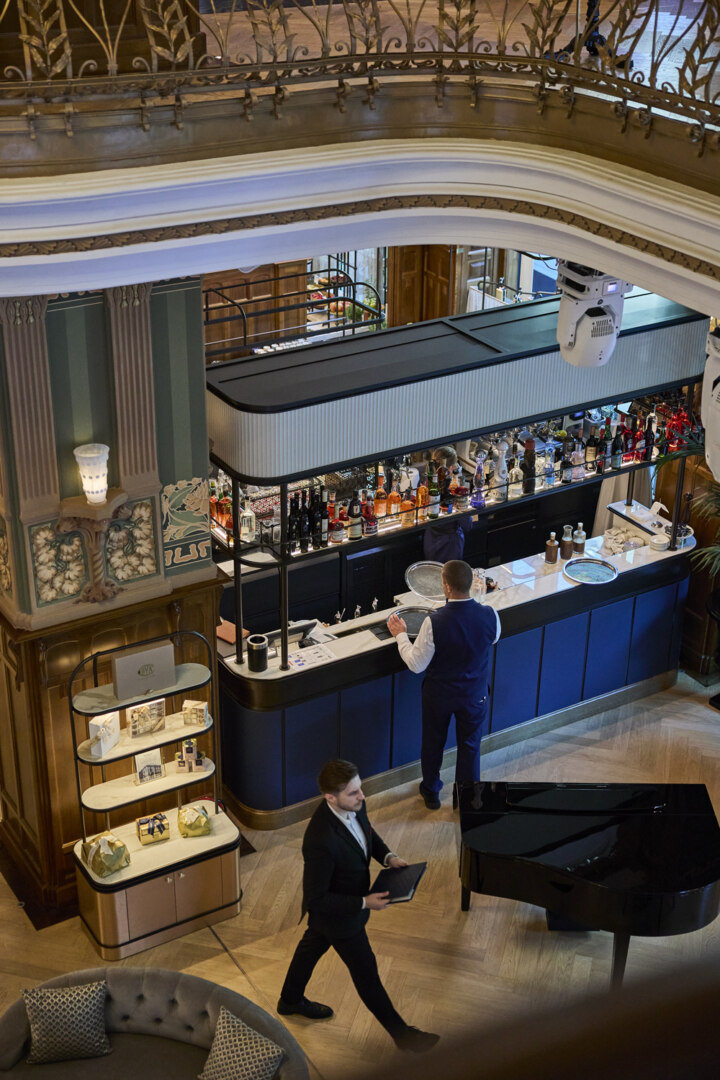
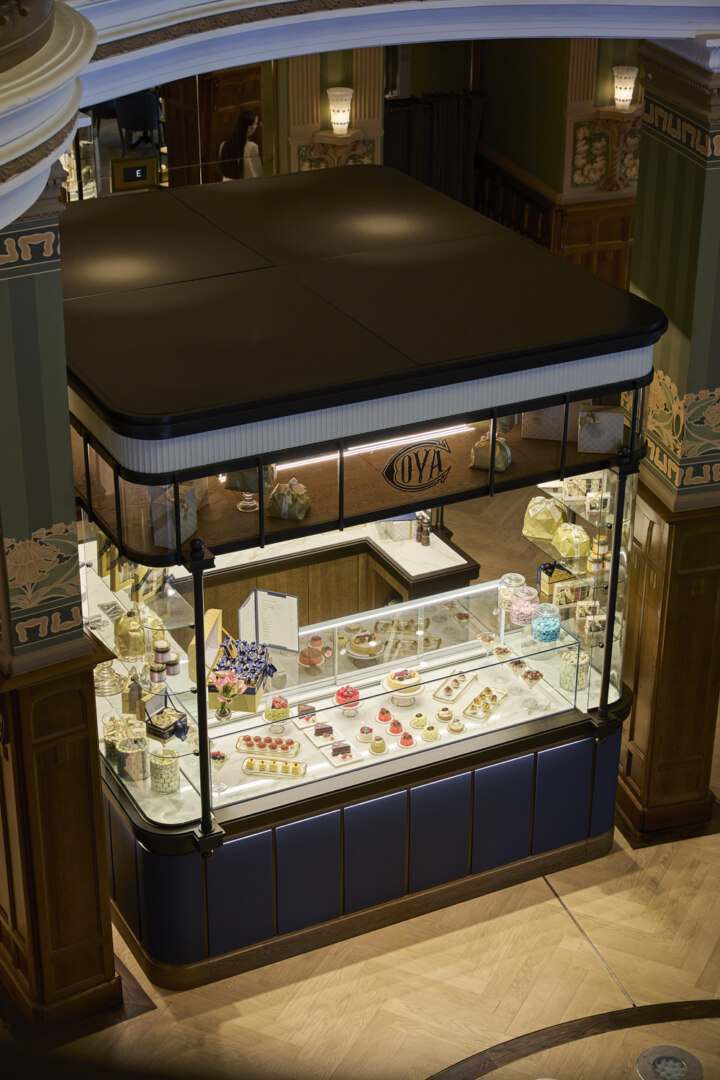
On one side is the bar and cold buffet, which serves both breakfast and daily beverage service. At the center of the guest area stands a freestanding pastry pavilion, where Cova’s iconic pastries and desserts are displayed. The third unit is the hot food counter with an open kitchen and the unique Marrone island, which supports the service of freshly prepared dishes.
At first glance, the three units appear to be separate pieces of furniture, but in reality, they function as a single, coordinated system. Behind the service that feels so natural to guests lie precisely planned workflows, equipment layouts, and logistical connections.
The historic environment has set new rules
One of the greatest challenges of the technical design was the building itself.
Due to the Matild Palace’s status as a historic landmark, the counters could not be attached to either the historic walls or the columns. Each service unit had to be designed as a freestanding kiosk while still fully meeting the needs of daily operations.
“These counters are actually freestanding pieces of furniture. We couldn’t attach them to the historic elements, so we had to rethink every centimeter,” says designer István Dybisewszky.
This was not merely a matter of construction. The location of every machine, every storage unit, and every work surface had to be determined in such a way that the historical building’s heritage remained intact, while still creating a fast and ergonomic work environment for the staff.
Cova’s own set of guidelines
Throughout the project, Coninvest worked in constant contact with Cova’s international experts. With the completion of the detailed Brand Book, it became clear that the brand insisted on a number of specific technological elements.
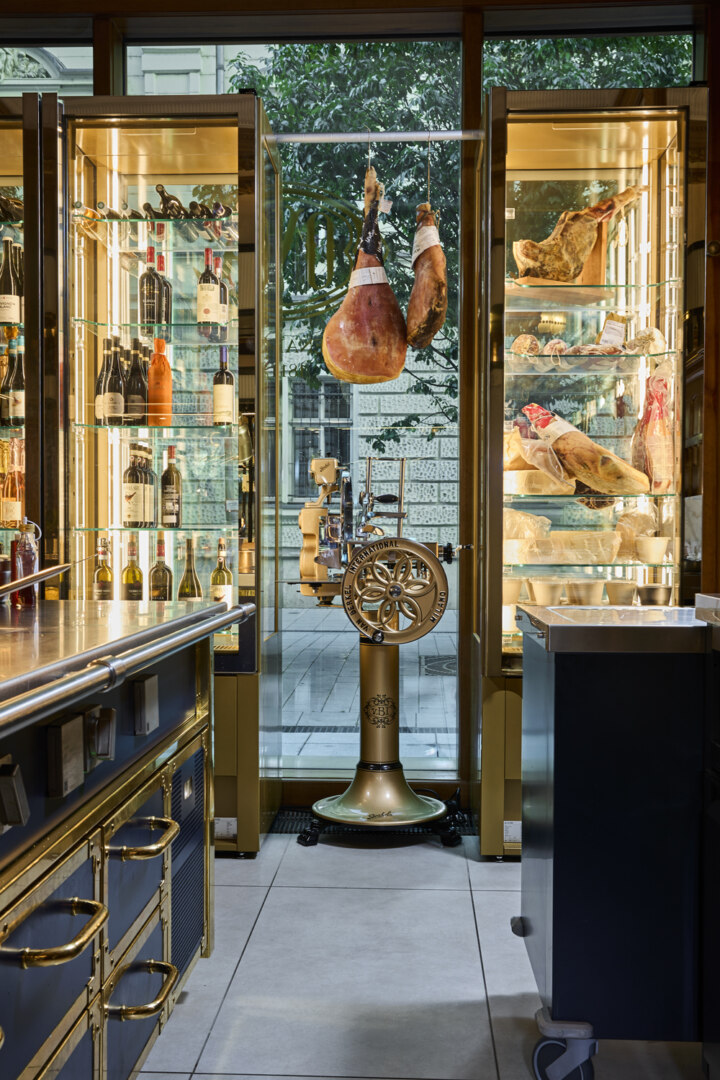
These included, for example, the premium Italian CIAM refrigerated display cases, which are defining features of Cova stores worldwide.
However, the task was not simply to install these units. The display cases had to fit into the Budapest space in a way that simultaneously met international branding guidelines and the local interior design concept. Thanks to custom cladding and detailed solutions, the technology becomes virtually invisible while perfectly fulfilling its function.
The biggest challenge is often invisible
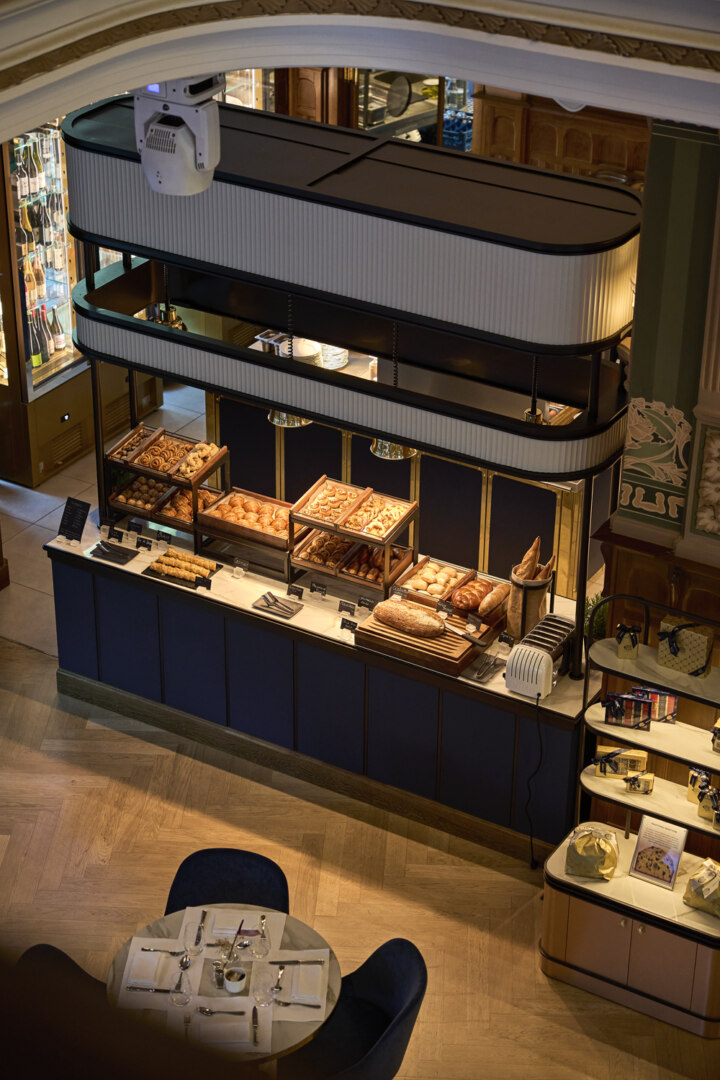
One of the most complex tasks of the project was providing mechanical services for Marrone Island.
Instead of traditional ceiling-mounted outlets, the necessary wiring had to be routed to the equipment through the raised floor. This solution required significant coordination in both design and construction, while also allowing the guest area to maintain its clean, uncluttered appearance.
Guests are completely unaware of this. And that is precisely the goal. In a well-run hospitality venue, technology does not dominate the space but rather supports service unobtrusively.
Good technology is not visible – it just works
The Cova Budapest project is a good example of how Coninvest’s role extends far beyond simply selecting equipment or overseeing construction.
The real challenge was to integrate the expectations of an international luxury brand, the unique characteristics of a historic building, and the day-to-day operations of a five-star hotel into a single, coordinated system.
The end result isn’t measured in machines or counters, but in the experience that guests enjoy day after day. Everything functions seamlessly, service is smooth, and technology supports hospitality almost invisibly.
In the next article, we’ll show how Yeşim Kozanlı Architecture & Interior Design’s interior design concept became a reality and what unique construction solutions were used to create Cova Budapest’s distinctive interior.