Mirjam Kertész’s roundtable discussion at the Rétegrend Architecture Conference
When it comes to hospitality venues, most guests form their opinions primarily based on the physical space. Design, atmosphere, and the overall experience determine that first impression. Behind the scenes, however, a far more complex system is at work—one that guests generally don’t see: a combination of technology, logistics, workflows, and infrastructure.
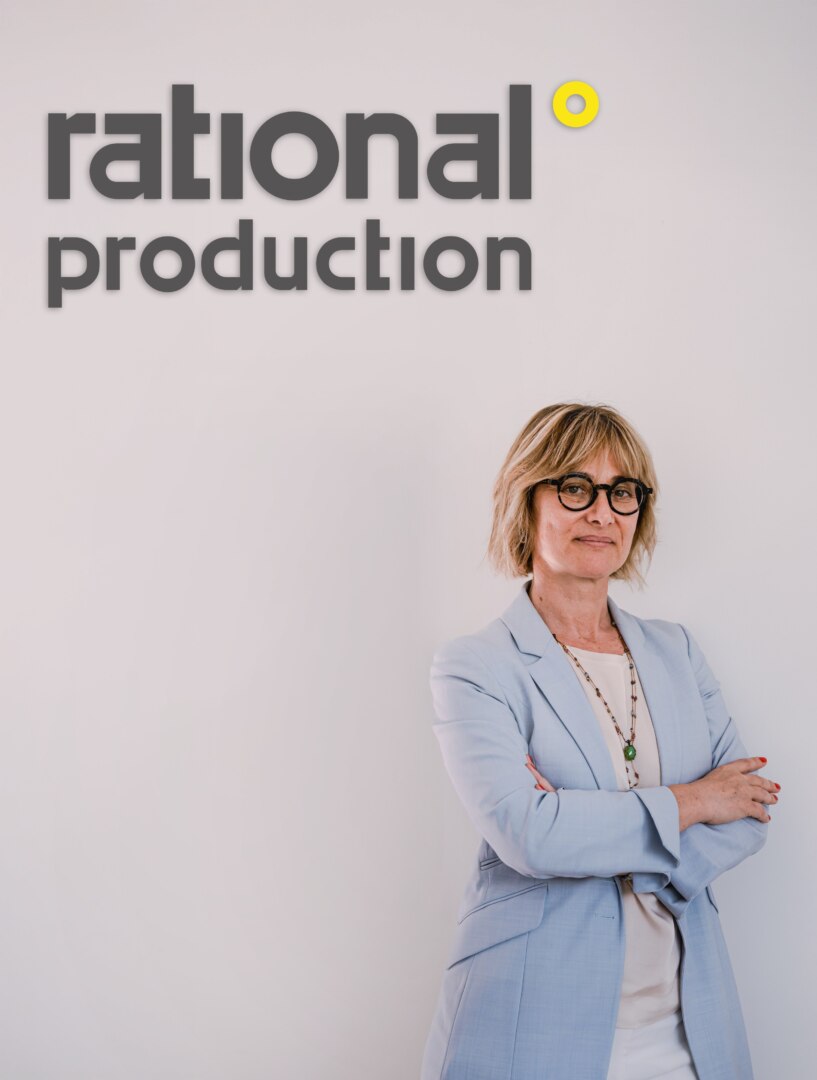
These interconnections were also the focus of a recent roundtable discussion at the Rétegrend Architecture Conference, where Mirjam Kertész, founder and owner of Coninvest, participated alongside Kristóf Kovács, a hospitality industry owner, and Eszter Radnóczy, an architect. The discussion centered on how the owner’s vision, the architectural concept, and the operational infrastructure come together in a hospitality project.
The perspectives of the three participants complemented each other well. The owner brings business ambition and brand vision to the projects, architecture shapes the character and atmosphere of the space, while kitchen technology and operational infrastructure provide the system that enables the concept to function in everyday life.

Hospitality is one of the most complex form of architecture
One of the starting points of the discussion was that the hospitality industry presents a unique challenge for architecture. A restaurant is, after all, simultaneously a space, a business, and a technological system.
While an office building or residential building operates with relatively predictable usage patterns, a restaurant is under constant, intense strain. During the operation of a restaurant, ingredient delivery, preparation, cooking, plating, serving, and dishwashing all take place simultaneously, while in the dining area, welcoming and serving guests occur in parallel. All of this often happens for 14–16 hours a day, accompanied by significant heat, steam, noise, and intense use. This is the behind-the-scenes environment that guests almost never see, yet it fundamentally determines how the establishment operates.
“Hospitality is one of the most complex form of architecture. Guests perceive the space, but behind it all is a system that operates with great precision,” said Mirjam Kertész.
Kitchen technology is not just equipment, but an operational system
One key point that came up in the discussion was that commercial kitchens are often still treated as mere pieces of equipment, when in fact they are part of an operational system.
Designing a professional kitchen is not merely about what equipment is placed in the space. Equally important are the logic of workflows, staff movement, the separation of clean and dirty routes, heat load management, and establishing logistical connections with storage areas and the dining area. If these aspects are not coordinated, daily operations quickly become cumbersome. Staff spend more time on unnecessary movements, processes slow down, and service efficiency also deteriorates.
During the conversation, the idea that a restaurant is essentially a choreographed system of movement was mentioned several times. Guests, servers, chefs, ingredients, and equipment are in constant motion within the same space. If the space and operations are not in harmony, this system quickly runs into obstacles.
Operational considerations often come up too late
A recurring theme in the discussion was that kitchen technology and operational infrastructure are often incorporated into the design process too late in many projects.
Ideally, these considerations should already be addressed during the conceptual design phase. This is because the operation of a restaurant influences numerous technical and spatial planning decisions that are difficult to modify later on. Examples include ventilation systems, exhaust systems, energy requirements, storage capacity, and the layout of logistics routes.
If the operational infrastructure is only addressed once the space is largely complete, compromise solutions often result. In contrast, the most successful projects are those where the owner, architect, and technology experts collaborate from the very beginning of the design process.

Specific examples from practice
Several projects were discussed in which design and functionality worked in close collaboration to shape the final result.
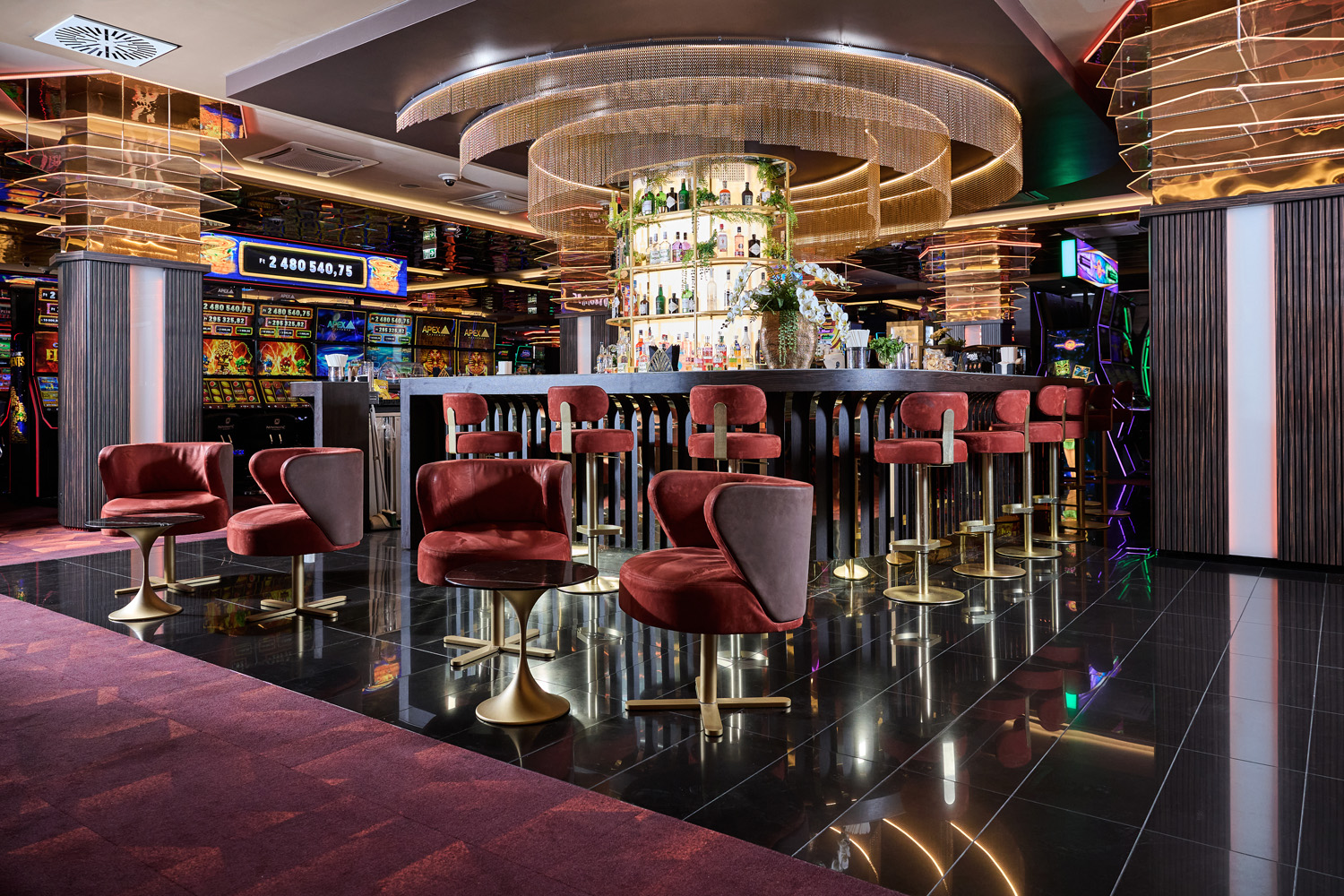
One such example is the art’otel lobby bar, which was realized based on designs by Eszter Radnóczy. A defining element of the bar is the oval counter, which gives the space a strong visual character. However, such a form also raises serious technological questions. For the bartender working behind the counter, every movement counts, so ergonomics and the precise design of workflows were key.
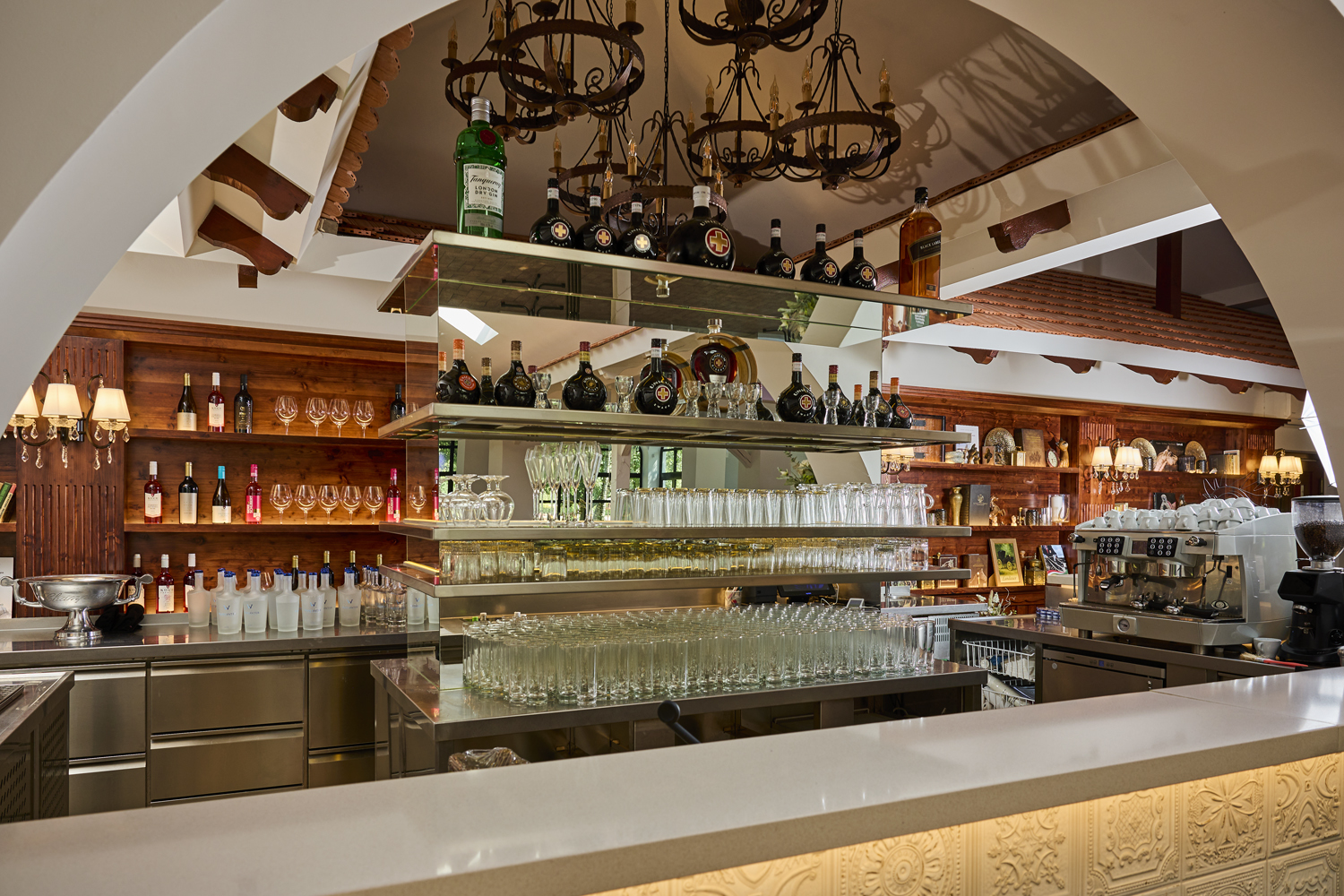
During the conversation, the kitchen at Déryné was also discussed, which was created within the constraints of an existing building. In such situations, design often involves a series of compromises. The question then becomes which solutions remain functional in the long term despite spatial limitations.
These projects clearly demonstrate that the tension between design and functionality is, in fact, a natural part of the design process. In good hospitality projects, neither aspect takes precedence over the other. The goal is to create a solution that is both distinctive and functional.
The hospitality industry is changing at an ever-faster pace
During the conversation, it was also mentioned that the restaurant industry is changing much more rapidly today than in the past. A restaurant’s concept, menu, or business model can undergo significant changes in just a few years.
This introduces new considerations in design as well. Today, a restaurant kitchen should be designed not only for the moment of opening, but also with an eye toward potential changes in the coming years. Flexible, modular systems are playing an increasingly important role because they allow a venue to adapt to new demands later on.
Why such professional dialogues are important
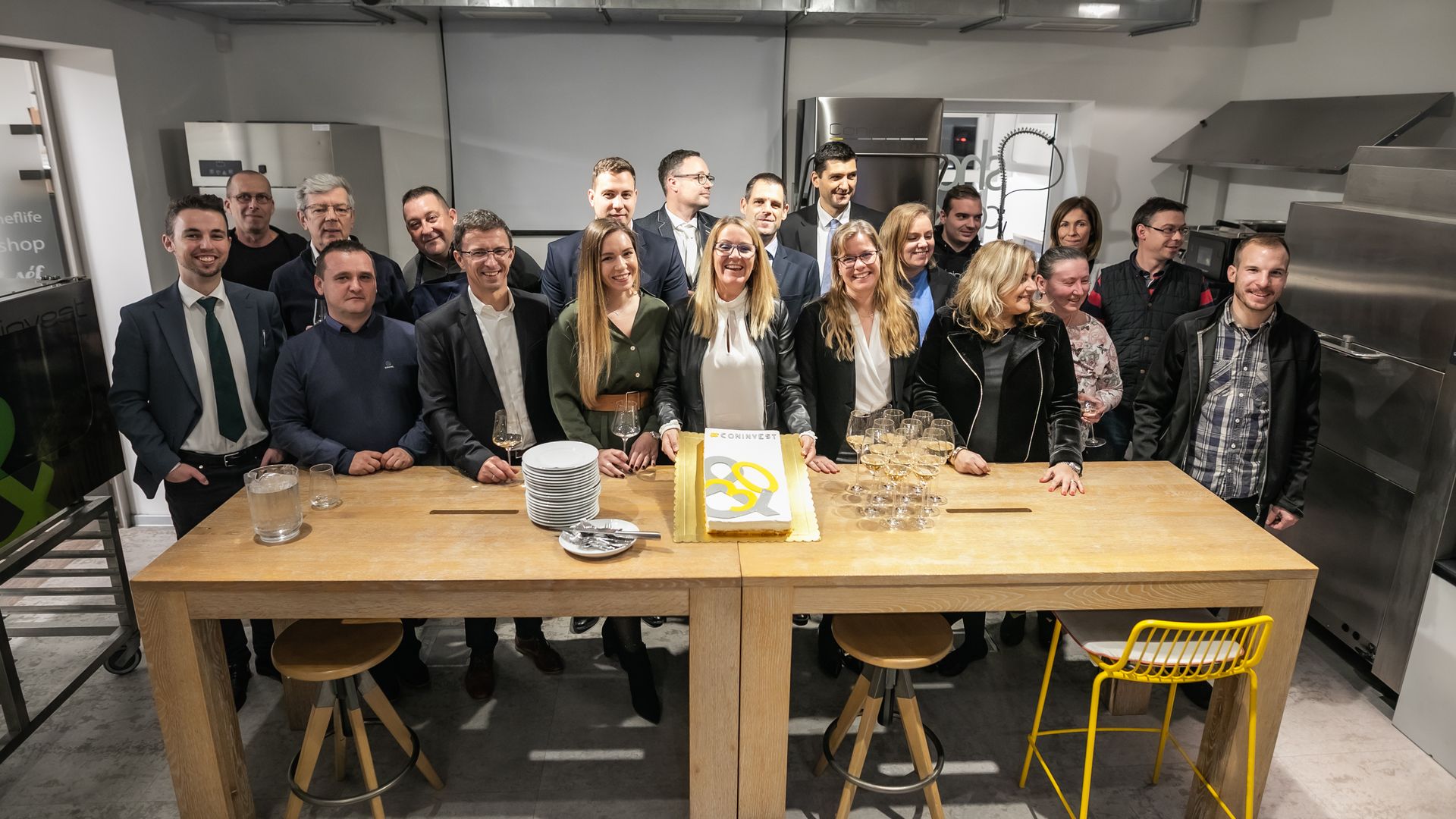
Several members of the Coninvest team attended the conference and engaged in professional discussions with numerous architects, developers, and industry partners throughout the day.
One of the greatest values of such events is that they create a common platform for the stakeholders who play a key role in a hospitality project. When architects, owners, and operations experts sit down at the same table, it becomes much easier to find common ground during the design process.
Experience shows that the most successful hospitality projects emerge where this dialogue begins in the earliest stages of design. Because ultimately, a hospitality venue doesn’t succeed simply because it’s beautiful, but because its operations seamlessly and naturally support the guest experience.